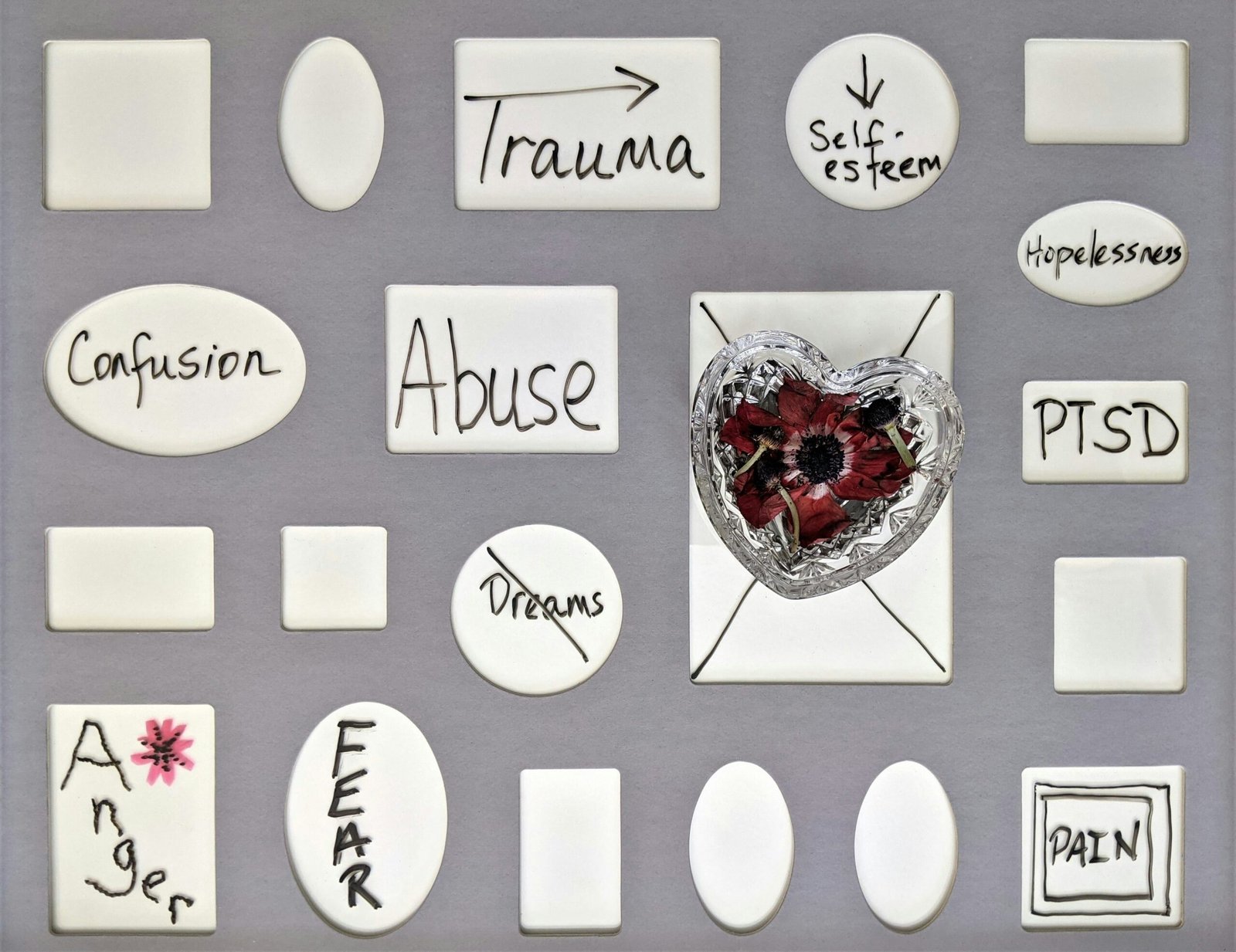
Childhood trauma is a profound and often devastating experience that can shape an individual’s life in myriad ways. It encompasses a range of distressing events that occur during the formative years of a child’s life, including physical, emotional, or sexual abuse, neglect, and exposure to domestic violence or substance abuse. The impact of such experiences can be far-reaching, affecting not only the immediate emotional and psychological well-being of the child but also their development and functioning throughout adulthood. Understanding childhood trauma is crucial for mental health professionals, educators, and caregivers alike, as it lays the groundwork for effective intervention and support.
The significance of addressing childhood trauma cannot be overstated. Research has shown that early adverse experiences can alter brain development, affect emotional regulation, and lead to a host of behavioral issues. As a Licensed Clinical Social Worker (LCSW), I have witnessed firsthand the long-lasting effects of trauma on individuals and families. It is essential to recognize that trauma is not merely an event but a complex interplay of experiences that can leave deep psychological scars. By fostering awareness and understanding of childhood trauma, we can begin to create a more compassionate and supportive environment for those affected.
Types of Childhood Trauma
Childhood trauma can manifest in various forms, each with its unique characteristics and implications. One of the most recognized types is physical abuse, which involves intentional harm or injury inflicted upon a child. This can range from hitting or beating to more subtle forms of physical aggression. Emotional abuse, on the other hand, may not leave visible scars but can be equally damaging. It includes behaviors such as verbal belittlement, manipulation, or constant criticism, which can erode a child’s self-esteem and sense of worth.
Neglect is another critical form of childhood trauma that often goes unnoticed. It occurs when a caregiver fails to provide for a child’s basic needs, including food, shelter, medical care, and emotional support. This lack of nurturing can lead to feelings of abandonment and unworthiness. Additionally, exposure to domestic violence or substance abuse within the home can create an environment rife with fear and instability. Each type of trauma carries its own set of challenges and consequences, making it imperative for mental health professionals to approach treatment with sensitivity and an understanding of the specific experiences faced by each individual.
The Long-Term Effects of Childhood Trauma

The long-term effects of childhood trauma can be profound and pervasive, influencing various aspects of an individual’s life well into adulthood. Research indicates that individuals who have experienced significant trauma during their formative years are at a higher risk for developing mental health disorders such as depression, anxiety, and post-traumatic stress disorder (PTSD). These conditions can manifest in various ways, including difficulty in managing emotions, challenges in forming healthy relationships, and struggles with self-identity.
Moreover, the impact of childhood trauma extends beyond mental health. Many individuals carry the weight of their experiences into adulthood, often leading to maladaptive coping mechanisms such as substance abuse or self-harm. The cycle of trauma can perpetuate itself if left unaddressed, as individuals may find themselves repeating patterns learned in childhood. Understanding these long-term effects is crucial for mental health professionals as we work to provide effective interventions that promote healing and resilience.
Physical Health Consequences of Childhood Trauma

The repercussions of childhood trauma are not confined to the realm of mental health; they also extend into physical health. Numerous studies have established a link between early adverse experiences and chronic health conditions later in life. Individuals who have experienced significant trauma are more likely to develop issues such as heart disease, obesity, diabetes, and autoimmune disorders. The stress response triggered by traumatic experiences can lead to chronic inflammation and other physiological changes that compromise overall health.
Additionally, the relationship between childhood trauma and health behaviors cannot be overlooked. Individuals who have faced trauma may engage in unhealthy coping strategies such as smoking, excessive drinking, or poor dietary choices as a means of self-soothing or escape. These behaviors can further exacerbate physical health issues and create a cycle that is difficult to break. As mental health professionals, it is essential to adopt a holistic approach that considers both mental and physical health when working with individuals who have experienced childhood trauma.
Mental Health Consequences of Childhood Trauma
The mental health consequences of childhood trauma are often profound and multifaceted. Children who endure traumatic experiences may struggle with emotional regulation, leading to heightened anxiety, depression, or mood swings. The inability to process these emotions can result in behavioral issues such as aggression or withdrawal from social interactions. Furthermore, many individuals may develop symptoms consistent with PTSD, including flashbacks, nightmares, and hypervigilance.
As these children transition into adulthood, the mental health ramifications can persist or even intensify. Adults who experienced childhood trauma may grapple with feelings of shame or guilt related to their past experiences. They may also find it challenging to trust others or form intimate relationships due to fears of abandonment or betrayal. Understanding these mental health consequences is vital for LCSWs and other mental health professionals as we strive to create safe spaces for healing and recovery.
Relationship and Social Consequences of Childhood Trauma
The social and relational consequences of childhood trauma are significant and often detrimental to an individual’s ability to connect with others. Many survivors struggle with forming healthy relationships due to trust issues stemming from their traumatic experiences. They may find themselves oscillating between fear of intimacy and a desperate need for connection, leading to tumultuous relationships characterized by conflict or avoidance.
Additionally, individuals who have experienced childhood trauma may face challenges in social settings due to feelings of inadequacy or social anxiety. They may withdraw from social interactions altogether or engage in maladaptive behaviors that alienate them from peers. This isolation can perpetuate feelings of loneliness and despair, further complicating their healing journey. As mental health professionals, it is crucial to address these relational dynamics in therapy, helping individuals develop healthier communication skills and fostering connections that promote healing.
Coping Mechanisms and Maladaptive Behaviors
In response to childhood trauma, individuals often develop coping mechanisms that serve as survival strategies in the face of overwhelming emotions or situations. While some coping strategies can be adaptive—such as seeking support from friends or engaging in creative outlets—others may become maladaptive over time. For instance, substance abuse is a common response among those who have experienced trauma; it provides temporary relief but ultimately exacerbates underlying issues.
Maladaptive behaviors can also manifest in various forms, including self-harm or disordered eating patterns. These behaviors often serve as attempts to regain control over one’s body or emotions when everything else feels chaotic. As LCSWs, it is our responsibility to help clients identify these patterns and work towards healthier coping strategies that promote resilience rather than perpetuating cycles of pain.
Seeking Help and Healing from Childhood Trauma
Seeking help for childhood trauma is a courageous step toward healing and recovery. Many individuals may feel hesitant to reach out due to feelings of shame or fear of judgment; however, it is essential to emphasize that healing is possible with the right support. Therapy provides a safe space for individuals to process their experiences, explore their emotions, and develop coping strategies tailored to their unique needs.
Various therapeutic modalities can be effective in addressing childhood trauma, including cognitive-behavioral therapy (CBT), eye movement desensitization and reprocessing (EMDR), and trauma-focused therapy. Each approach offers different tools for processing traumatic memories and fostering resilience. As LCSWs, we must remain attuned to the individual needs of our clients and collaborate with them in creating a treatment plan that aligns with their goals for healing.
Breaking the Cycle of Trauma in Future Generations
Breaking the cycle of trauma is essential for fostering healthier future generations. Children who grow up in environments marked by trauma are at risk for perpetuating similar patterns unless they receive appropriate support and intervention. By addressing the root causes of trauma within families and communities, we can create pathways for healing that extend beyond individual therapy sessions.
Education plays a crucial role in this process; equipping parents with knowledge about the effects of trauma on child development can empower them to create nurturing environments for their children. Additionally, community-based programs that promote resilience and provide resources for families facing adversity can help mitigate the impact of trauma on future generations. As mental health professionals, we must advocate for systemic changes that prioritize trauma-informed care across all sectors.
The Importance of Trauma-Informed Care
Trauma-informed care is an essential framework for addressing the needs of individuals affected by childhood trauma. This approach recognizes the widespread impact of trauma on individuals’ lives and emphasizes safety, trustworthiness, collaboration, empowerment, and cultural sensitivity within therapeutic settings. By adopting a trauma-informed lens, mental health professionals can create environments where clients feel safe to share their experiences without fear of re-traumatization.
Implementing trauma-informed care requires ongoing training and education for practitioners across various fields—mental health, education, healthcare—ensuring that all professionals understand the complexities of trauma and its effects on individuals’ lives. By fostering a culture of understanding and compassion within our communities, we can better support those navigating the challenges associated with childhood trauma.
Moving Forward from Childhood Trauma
Moving forward from childhood trauma is a journey that requires patience, resilience, and support. While the effects of trauma can be profound and long-lasting, healing is possible through appropriate interventions and resources. As LCSWs and mental health professionals, our role is to guide individuals on this path toward recovery by providing compassionate care that acknowledges their unique experiences.
Ultimately, breaking the cycle of trauma involves not only individual healing but also collective efforts within families and communities to foster resilience and understanding. By prioritizing trauma-informed care and advocating for systemic change, we can create environments where future generations are equipped with the tools they need to thrive despite adversity. Together, we can move forward from childhood trauma toward a future filled with hope and healing.