Attention-Deficit/Hyperactivity Disorder (ADHD) is a complex neurodevelopmental condition that has garnered significant attention in both clinical and educational settings. At its core, ADHD is characterized by differences in brain structure and function, particularly in areas responsible for attention, impulse control, and executive functioning. Research has shown that individuals with ADHD often exhibit variations in the size and activity of certain brain regions, such as the prefrontal cortex, which plays a crucial role in decision-making and self-regulation. Neurotransmitters, particularly dopamine and norepinephrine, also function differently in those with ADHD, affecting their ability to focus and manage impulses.
Understanding these neurological differences is essential for both diagnosis and treatment. The brain’s wiring in individuals with ADHD can lead to challenges in maintaining attention, regulating emotions, and organizing tasks. This scientific perspective helps to demystify the condition, moving beyond stereotypes and misconceptions. It emphasizes that ADHD is not merely a behavioral issue but rather a legitimate neurological condition that requires appropriate understanding and intervention.
Recognizing the Symptoms of ADHD in Children and Adults

Recognizing the symptoms of ADHD can be challenging, as they often manifest differently across age groups. In children, symptoms may include hyperactivity, impulsivity, and difficulty sustaining attention in tasks or play activities. These behaviors can lead to struggles in academic settings, where the ability to focus on lessons and complete assignments is crucial. Parents and teachers may notice that a child frequently interrupts others, has trouble waiting their turn, or loses things necessary for tasks. However, it is important to note that not all children who exhibit these behaviors have ADHD; a comprehensive evaluation by a qualified professional is essential for an accurate diagnosis.
In adults, the symptoms of ADHD can evolve but often persist into later life. Adults may experience chronic disorganization, difficulty managing time, and challenges in maintaining relationships due to impulsive decisions or forgetfulness. They may find themselves easily distracted by external stimuli or struggle to prioritize tasks effectively. The impact of these symptoms can be profound, affecting career advancement and personal relationships. Recognizing these signs is the first step toward seeking help and implementing strategies for management.
Dispelling the Myth of Laziness: How ADHD Affects Executive Functioning

One of the most pervasive myths surrounding ADHD is the misconception that individuals with the disorder are simply lazy or unmotivated. This stereotype fails to recognize the underlying neurological challenges associated with ADHD, particularly regarding executive functioning. Executive functions are cognitive processes that enable individuals to plan, focus attention, remember instructions, and juggle multiple tasks successfully. For those with ADHD, these functions can be significantly impaired, leading to difficulties in organizing thoughts and actions.
The struggle with executive functioning can manifest in various ways. For instance, an individual may have the desire to complete a project but find it nearly impossible to initiate or sustain focus on the task at hand. This disconnect between intention and action can be frustrating and disheartening, leading to feelings of inadequacy or shame. By understanding that these challenges are rooted in neurological differences rather than a lack of effort or willpower, we can foster a more compassionate perspective toward those living with ADHD.
Exploring the Impact of ADHD on Daily Life and Relationships

The impact of ADHD extends far beyond academic or professional settings; it permeates daily life and interpersonal relationships as well. Individuals with ADHD may struggle with routine tasks such as managing household responsibilities or adhering to schedules. This can lead to feelings of overwhelm and frustration, both for themselves and for those around them. Family members may feel burdened by the need to compensate for the organizational challenges faced by their loved ones with ADHD, leading to tension and conflict within relationships.
Moreover, social interactions can be particularly challenging for individuals with ADHD. Impulsivity may result in interrupting conversations or misreading social cues, which can alienate friends or colleagues. The emotional dysregulation often associated with ADHD can also lead to heightened sensitivity to criticism or rejection, further complicating relationships. Understanding these dynamics is crucial for fostering supportive environments where individuals with ADHD can thrive.
Strategies for Managing ADHD: From Medication to Behavioral Therapy
Managing ADHD effectively often requires a multifaceted approach that includes both medication and behavioral therapy. Stimulant medications such as methylphenidate and amphetamines are commonly prescribed and have been shown to improve focus and reduce impulsivity in many individuals with ADHD. However, medication is not a one-size-fits-all solution; some individuals may experience side effects or find that non-stimulant options work better for them.
Behavioral therapy plays a vital role in managing ADHD as well. Cognitive-behavioral therapy (CBT) can help individuals develop coping strategies to address negative thought patterns and improve self-regulation skills. Additionally, organizational skills training can provide practical tools for managing time and tasks more effectively. Support groups can also offer valuable peer connections and shared experiences that foster understanding and resilience.
The Importance of Support and Understanding for Individuals with ADHD
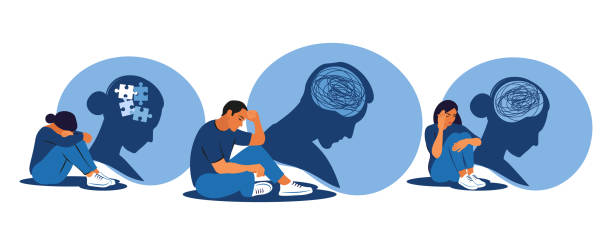
Support from family, friends, educators, and mental health professionals is crucial for individuals with ADHD. A strong support system can provide encouragement and understanding while helping individuals navigate the challenges associated with the disorder. Open communication about ADHD can foster an environment where individuals feel safe discussing their struggles without fear of judgment.
Educators play a particularly important role in supporting students with ADHD by implementing accommodations that cater to their unique learning needs. This might include providing additional time for assignments or allowing for breaks during long tasks. By creating an inclusive environment that recognizes the strengths and challenges of students with ADHD, educators can help them reach their full potential.
Overcoming Stigma: Advocating for ADHD Awareness and Acceptance
Despite growing awareness of ADHD, stigma still exists around the condition. Many individuals face judgment or misunderstanding from those who view ADHD as a character flaw rather than a legitimate disorder. This stigma can discourage individuals from seeking help or disclosing their diagnosis to others, leading to isolation and shame.
Advocacy efforts aimed at increasing awareness about ADHD are essential for combating stigma. By sharing personal stories and educating others about the realities of living with ADHD, we can foster greater acceptance and understanding within society. Schools, workplaces, and communities should prioritize education on neurodiversity to create environments where individuals with ADHD feel valued and supported.
Embracing Neurodiversity: Celebrating the Unique Strengths of ADHD Minds

While ADHD presents challenges, it is also important to recognize the unique strengths that individuals with this condition often possess. Many people with ADHD are highly creative thinkers who excel in problem-solving and innovation. Their ability to think outside the box can lead to groundbreaking ideas and solutions that others may overlook.
Embracing neurodiversity means celebrating these strengths while also acknowledging the challenges associated with ADHD. By fostering environments that appreciate diverse cognitive styles, we can create spaces where individuals with ADHD feel empowered to contribute their talents fully. Encouraging self-advocacy and promoting strengths-based approaches can help individuals with ADHD thrive both personally and professionally.
In conclusion, understanding ADHD requires a comprehensive approach that encompasses its neurological underpinnings, symptoms across different life stages, and the impact it has on daily functioning and relationships. By dispelling myths surrounding laziness, advocating for awareness, and embracing neurodiversity, we can create a more inclusive society that recognizes both the challenges and strengths of individuals with ADHD. Through support systems and effective management strategies, those living with ADHD can lead fulfilling lives while contributing their unique perspectives to the world around them.