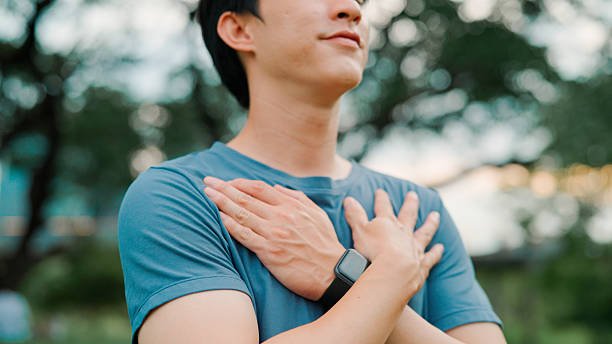
Anxiety is a common mental health condition that affects millions of individuals worldwide. It manifests in various forms, including generalized anxiety disorder, panic disorder, and social anxiety, among others. The experience of anxiety can be overwhelming, often leading to physical symptoms such as increased heart rate, sweating, and a sense of impending doom. As a Licensed Clinical Social Worker (LCSW), I have witnessed firsthand the profound impact anxiety can have on individuals’ lives, affecting their relationships, work performance, and overall well-being. However, there are numerous grounding tools and techniques that can help individuals manage their anxiety effectively.
Grounding tools are strategies designed to anchor individuals in the present moment, providing a sense of stability and calm amidst the chaos of anxious thoughts and feelings. These techniques can be particularly beneficial during moments of heightened anxiety or panic, as they redirect focus away from distressing thoughts and into the here and now. In this article, we will explore various grounding tools that can assist in alleviating anxiety, including deep breathing techniques, mindfulness practices, sensory engagement, and more. By incorporating these strategies into daily life, individuals can cultivate resilience and enhance their ability to cope with anxiety.
Deep Breathing Techniques for Anxiety Relief
Deep breathing is one of the most accessible and effective grounding techniques for managing anxiety. When we experience anxiety, our bodies often enter a state of hyperarousal, leading to shallow and rapid breathing. This physiological response can exacerbate feelings of panic and unease. By consciously practicing deep breathing, individuals can activate the body’s relaxation response, promoting a sense of calm and reducing anxiety levels.
One popular deep breathing technique is the 4-7-8 method. To practice this technique, find a comfortable seated position and close your eyes. Inhale deeply through your nose for a count of four, allowing your abdomen to expand fully. Hold your breath for a count of seven, and then exhale slowly through your mouth for a count of eight. Repeat this cycle several times, focusing on the rhythm of your breath. This technique not only helps to slow down the heart rate but also encourages mindfulness by drawing attention to the present moment.
Another effective deep breathing exercise is diaphragmatic breathing. This technique involves engaging the diaphragm to take deeper breaths, which can help reduce tension in the body. To practice diaphragmatic breathing, lie down on your back with your knees bent or sit comfortably in a chair. Place one hand on your chest and the other on your abdomen. As you inhale deeply through your nose, focus on expanding your abdomen rather than your chest. Exhale slowly through your mouth, feeling your abdomen fall. This practice can be particularly soothing during moments of acute anxiety.
Mindfulness and Meditation Practices for Calmness
Mindfulness is the practice of being fully present in the moment without judgment. It encourages individuals to observe their thoughts and feelings without becoming overwhelmed by them. Incorporating mindfulness into daily life can significantly reduce anxiety levels by fostering a greater sense of awareness and acceptance. Meditation is one of the most effective ways to cultivate mindfulness.
There are various forms of meditation that can be beneficial for anxiety relief. One popular method is guided meditation, where individuals listen to a recorded meditation led by an instructor. These sessions often include visualization techniques and calming narratives that help individuals relax and focus their minds. By dedicating just a few minutes each day to guided meditation, individuals can create a sanctuary of peace within themselves.
Another approach is mindfulness meditation, which involves focusing on the breath or a specific object while gently redirecting attention back to the present moment whenever distractions arise. This practice helps train the mind to remain anchored in the here and now, reducing the tendency to ruminate on anxious thoughts. Over time, regular mindfulness meditation can lead to increased emotional regulation and resilience in the face of stressors.
Using the Five Senses to Ground Yourself in the Present Moment
Engaging the five senses is an effective grounding technique that can help individuals reconnect with their surroundings and alleviate feelings of anxiety. By focusing on what we can see, hear, touch, taste, and smell, we can anchor ourselves in the present moment and create a sense of safety.
To practice this technique, take a moment to observe your environment. Start by identifying five things you can see—perhaps a tree outside your window or a picture on the wall. Next, focus on four things you can touch—this could be the texture of your clothing or the surface of a table. Then, identify three things you can hear—such as birds chirping or distant traffic sounds. Follow this with two things you can smell—perhaps coffee brewing or fresh air coming through an open window. Finally, identify one thing you can taste—this could be a sip of water or a piece of gum.
This sensory exercise not only helps ground individuals in the present moment but also encourages appreciation for their surroundings. By actively engaging with the senses, individuals can create a buffer against anxious thoughts and foster a greater sense of calm.
Progressive Muscle Relaxation for Anxiety Reduction
Progressive muscle relaxation (PMR) is a technique that involves systematically tensing and relaxing different muscle groups throughout the body. This practice helps individuals become more aware of physical tension associated with anxiety and promotes relaxation by releasing that tension.
To practice PMR, find a quiet space where you can sit or lie down comfortably. Begin by taking a few deep breaths to center yourself. Start with your feet; tense the muscles in your feet for five seconds while inhaling deeply. Then release the tension as you exhale, noticing how your feet feel as they relax. Gradually work your way up through each muscle group—calves, thighs, abdomen, arms, shoulders, neck, and face—tensing each group for five seconds before releasing.
As you progress through each muscle group, pay attention to any areas where you may be holding onto tension without realizing it. This heightened awareness can help individuals identify physical manifestations of anxiety and develop strategies for releasing that tension in everyday life.
Visualization and Guided Imagery for Relaxation
Visualization and guided imagery are powerful techniques that involve creating mental images to promote relaxation and reduce anxiety. By picturing calming scenes or experiences in one’s mind, individuals can evoke feelings of peace and tranquility.
To practice visualization, find a comfortable position and close your eyes. Take several deep breaths to center yourself before imagining a serene place—this could be a beach at sunset, a quiet forest glade, or any location that brings you comfort. Engage all your senses as you visualize this scene; imagine the sound of waves crashing or birds singing, feel the warmth of the sun on your skin or the cool breeze on your face.
Guided imagery takes this practice a step further by incorporating verbal guidance from an instructor or recording. Many apps and online resources offer guided imagery sessions designed specifically for relaxation and anxiety relief. These sessions often include soothing narratives that lead individuals through calming scenarios while encouraging deep relaxation.
Incorporating Physical Activity into Your Daily Routine for Anxiety Management
Physical activity is an essential component of managing anxiety effectively. Exercise releases endorphins—natural mood lifters—that can help alleviate feelings of stress and anxiety while promoting overall well-being. Engaging in regular physical activity not only improves physical health but also enhances mental resilience.
Finding an enjoyable form of exercise is key to maintaining consistency in an active lifestyle. Whether it’s walking, jogging, dancing, yoga, or team sports, incorporating movement into daily routines can provide an outlet for pent-up energy and tension associated with anxiety. Even short bursts of activity throughout the day can have significant benefits; taking a brisk walk during lunch breaks or practicing yoga stretches at home can help clear the mind and reduce stress levels.
Moreover, physical activity encourages mindfulness by requiring individuals to focus on their bodies’ movements and sensations during exercise. This heightened awareness can serve as a grounding tool during moments of anxiety while fostering a sense of accomplishment and empowerment.
Journaling and Expressive Writing as Grounding Tools for Anxiety
Journaling is an effective grounding tool that allows individuals to express their thoughts and feelings freely without judgment. Writing about one’s experiences can provide clarity and insight into anxious thoughts while serving as an emotional release.
To begin journaling for anxiety relief, set aside dedicated time each day to write about your thoughts and feelings related to anxiety or any other stressors in your life. You might choose to write about specific events that triggered anxious feelings or explore patterns in your thinking that contribute to anxiety. The act of putting pen to paper allows individuals to externalize their emotions rather than keeping them bottled up inside.
Expressive writing has been shown to have therapeutic benefits for mental health by promoting emotional processing and reducing symptoms of anxiety and depression. Additionally, journaling can serve as a reflective practice that helps individuals track their progress over time while identifying coping strategies that work best for them.
Seeking Support from Loved Ones and Professionals for Anxiety Relief
While self-help techniques are valuable tools for managing anxiety, seeking support from loved ones or mental health professionals is equally important. Sharing experiences with trusted friends or family members can provide comfort and validation during difficult times.
Talking about one’s feelings with others fosters connection and reduces feelings of isolation often associated with anxiety disorders. Loved ones may offer different perspectives or coping strategies that individuals may not have considered on their own. Additionally, support groups provide opportunities for individuals facing similar challenges to connect with one another in a safe environment.
For those experiencing persistent or severe anxiety symptoms, seeking professional help from a licensed therapist or counselor is crucial. Mental health professionals are trained to provide evidence-based interventions tailored to individual needs while offering guidance in developing coping strategies for managing anxiety effectively.
Creating a Safe and Comforting Environment for Anxiety Reduction
The environment we inhabit plays a significant role in our mental well-being; creating a safe and comforting space can help reduce feelings of anxiety significantly. Consider personalizing your living space with items that evoke positive memories or feelings—such as photographs, plants, or calming colors—to create an atmosphere conducive to relaxation.
Incorporating elements such as soft lighting or soothing scents through candles or essential oils can further enhance comfort levels within one’s environment. Establishing designated areas for relaxation—such as reading nooks or meditation corners—can encourage individuals to prioritize self-care amidst busy schedules.
Additionally, decluttering living spaces can promote mental clarity while reducing feelings of overwhelm associated with chaotic environments. A clean and organized space fosters tranquility while allowing individuals to focus on grounding techniques when needed.
Conclusion and Recap of Grounding Tools for Calming Anxiety
In conclusion, managing anxiety requires a multifaceted approach that incorporates various grounding tools tailored to individual preferences and needs. Techniques such as deep breathing exercises, mindfulness practices, sensory engagement through the five senses, progressive muscle relaxation, visualization exercises, physical activity, journaling, seeking support from loved ones or professionals, and creating comforting environments all play vital roles in alleviating anxiety symptoms.
By integrating these strategies into daily routines, individuals can cultivate resilience against anxiety while fostering emotional well-being over time. Remember that it’s essential to be patient with oneself during this journey; finding what works best may take time but ultimately leads toward greater peace and stability amidst life’s challenges.