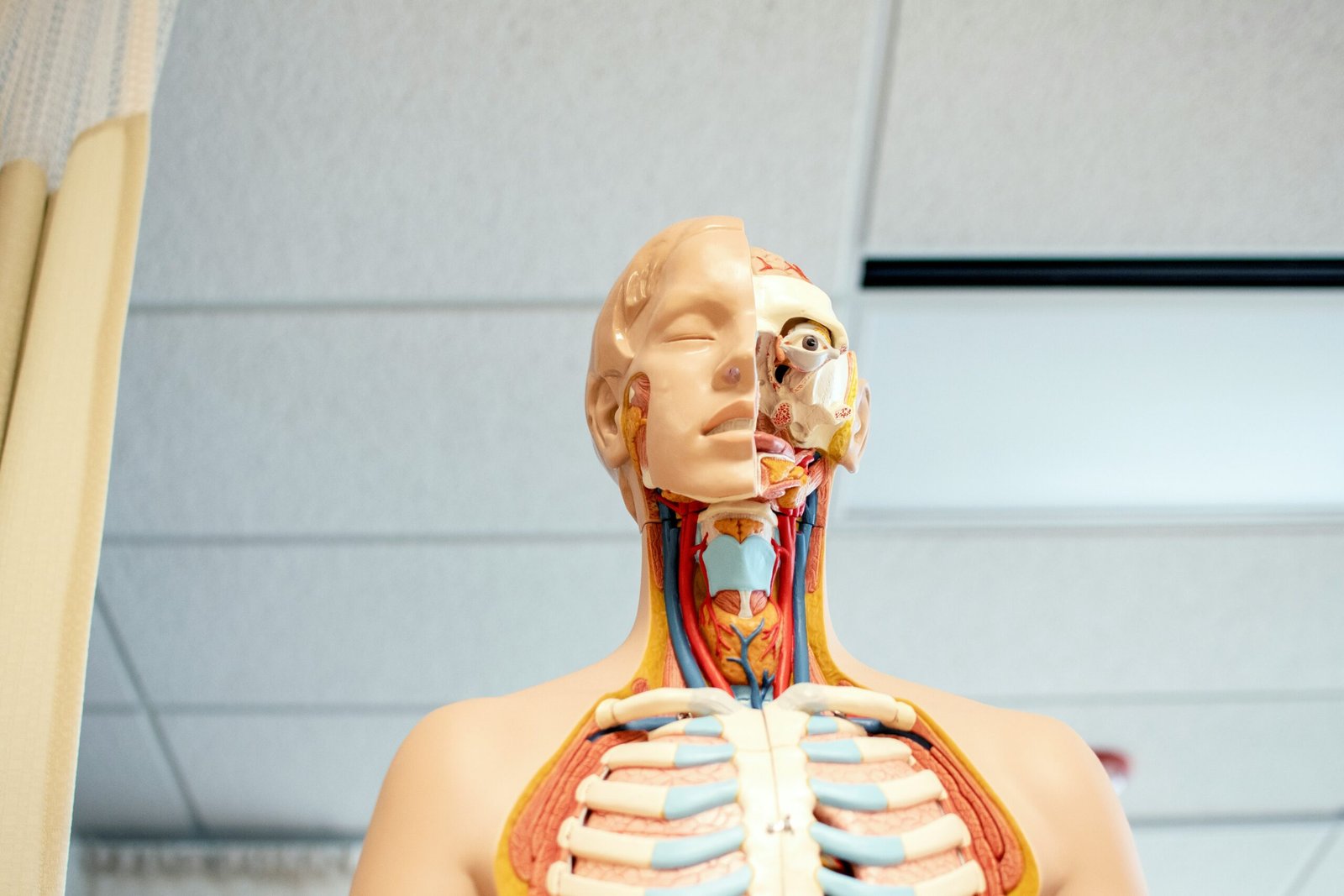
As a Licensed Clinical Social Worker (LCSW), I have had the privilege of walking alongside countless individuals on their journey through trauma. The aftermath of traumatic experiences often leaves a profound imprint, not just on our minds, but deeply within the very fabric of our being – our nervous system. For many years, the focus of trauma treatment was primarily on cognitive processing. While incredibly valuable, we now understand that true healing necessitates a more holistic approach, one that directly addresses the physiological dysregulation that trauma engenders. This article aims to illuminate the intricate dance between trauma and the nervous system, offering pathways for regulation, recovery, and ultimately, reconnection to a life of safety and well-being.
Trauma, by its very definition, is an experience that overwhelms our capacity to cope, leaving us feeling helpless and often profoundly unsafe. From a neurobiological perspective, this overwhelming event fundamentally alters our nervous system’s baseline, shifting it from a state of relative balance to one of chronic activation or profound shutdown. This isn’t a conscious choice; it’s a primal survival mechanism that, while adaptive in the moment of threat, can become maladaptive in its lingering effects.
The Autonomic Nervous System: Our Internal Alarm
At the heart of this discussion lies the autonomic nervous system (ANS), which operates largely outside of our conscious control. The ANS is comprised of two main branches: the sympathetic nervous system and the parasympathetic nervous system.
Sympathetic Nervous System: The Accelerator
The sympathetic nervous system is our body’s accelerator. When activated, it prepares us for “fight or flight” – increasing heart rate, blood pressure, and muscle tension, while diverting resources away from non-essential functions like digestion. During a traumatic event, this system kicks into overdrive, helping us respond to perceived danger. However, in the aftermath of trauma, this system can remain chronically activated, leaving individuals feeling perpetually on edge, anxious, irritable, and struggling with sleep. Dr. Eugene Lipov’s December 2025 post on PTSD treatment highlights the critical need to shift this chronic activation to achieve better emotional control.
Parasympathetic Nervous System: The Brake
The parasympathetic nervous system, conversely, acts as our body’s brake, promoting “rest and digest” functions. It lowers heart rate, calms breathing, and aids in recovery. While typically associated with relaxation, the parasympathetic nervous system also has a powerful dorsal vagal branch that can lead to “freeze” or “collapse” responses during extreme threat. This can manifest as feelings of numbness, dissociation, or profound fatigue, a state often misunderstood as apathy rather than a deep physiological protective response.
Polyvagal Theory: Beyond Fight, Flight, Freeze
The foundational work of Dr. Stephen Porges and his Polyvagal Theory has revolutionized our understanding of the nervous system’s response to threat, especially in the context of trauma. As discussed in the April 24, 2026 YouTube episode, “Regulation, Recovery & Reconnection,” Polyvagal Theory posits a hierarchical organization of our ANS, explaining how we move through states of engagement, immobilization, and protection.
The Social Engagement System
This is our most evolved state, characterized by a ventral vagal activation that allows us to feel safe, connected, and present in social interactions. It enables us to regulate our emotions and engage with the world skillfully.
The Sympathetic State
When we perceive danger, we shift into the sympathetic state, mobilizing for fight or flight, as described above.
The Dorsal Vagal State
In the face of inescapable threat, when fight or flight is not an option, our system can shut down into a dorsal vagal state. This is a primitive survival mechanism that can lead to feelings of numbness, dissociation, and even fainting. Understanding these distinct states is crucial for effective trauma treatment, as it allows us to identify where an individual is physiologically “stuck” and tailor interventions accordingly. The concept of resilience through mobilization to safety, as explored in the YouTube episode, emphasizes the importance of helping individuals move out of these stuck states and back into a sense of safety.
Foundations of Nervous System Healing
Healing from trauma is not a linear process, nor is it about achieving a constant state of calm. As the WeRise NYC article aptly describes, nervous system regulation is a spiral, a continuous dance between activation and settling. The goal is to expand our window of tolerance – our capacity to experience a range of emotions and sensations without becoming overwhelmed or shutting down.
Cultivating Somatic Awareness
Before we can regulate, we must first learn to notice. Trauma often disconnects us from our bodily sensations, as a protective measure. Re-establishing this connection, gently and safely, is a critical first step.
Grounding Techniques
Grounding brings us back into the present moment and into our bodies. Mind Spa Denver’s blog highlights techniques like the 5-4-3-2-1 exercise (identifying 5 things you can see, 4 you can touch, 3 you can hear, 2 you can smell, and 1 you can taste). These simple practices help anchor us when feelings of anxiety or dissociation arise.
Body Listening and Somatic Stretching
Jazz Psychiatry’s blog emphasizes “body listening” – paying attention to subtle physical sensations without judgment. Somatic stretching, which focuses on gentle movements and sensations rather than achieving a specific pose, can help release stored tension and improve proprioception (our sense of where our body is in space).
Breathwork as a Regulator
Our breath is an incredibly powerful, immediate, and accessible tool for nervous system regulation. It’s the only autonomic function we can consciously influence.
Paced and Diaphragmatic Breathing
The April 2026 YouTube episode discusses the efficacy of paced breathing. Box breathing, as mentioned by Mind Spa Denver, is a simple form of paced breathing (inhale for 4, hold for 4, exhale for 4, hold for 4). Jazz Psychiatry specifically recommends diaphragmatic breathing (also known as belly breathing), which stimulates the vagus nerve and activates the parasympathetic nervous system, promoting relaxation and calming. Regular practice of these techniques can help shift the nervous system’s baseline over time.
Therapeutic Approaches for Nervous System Regulation
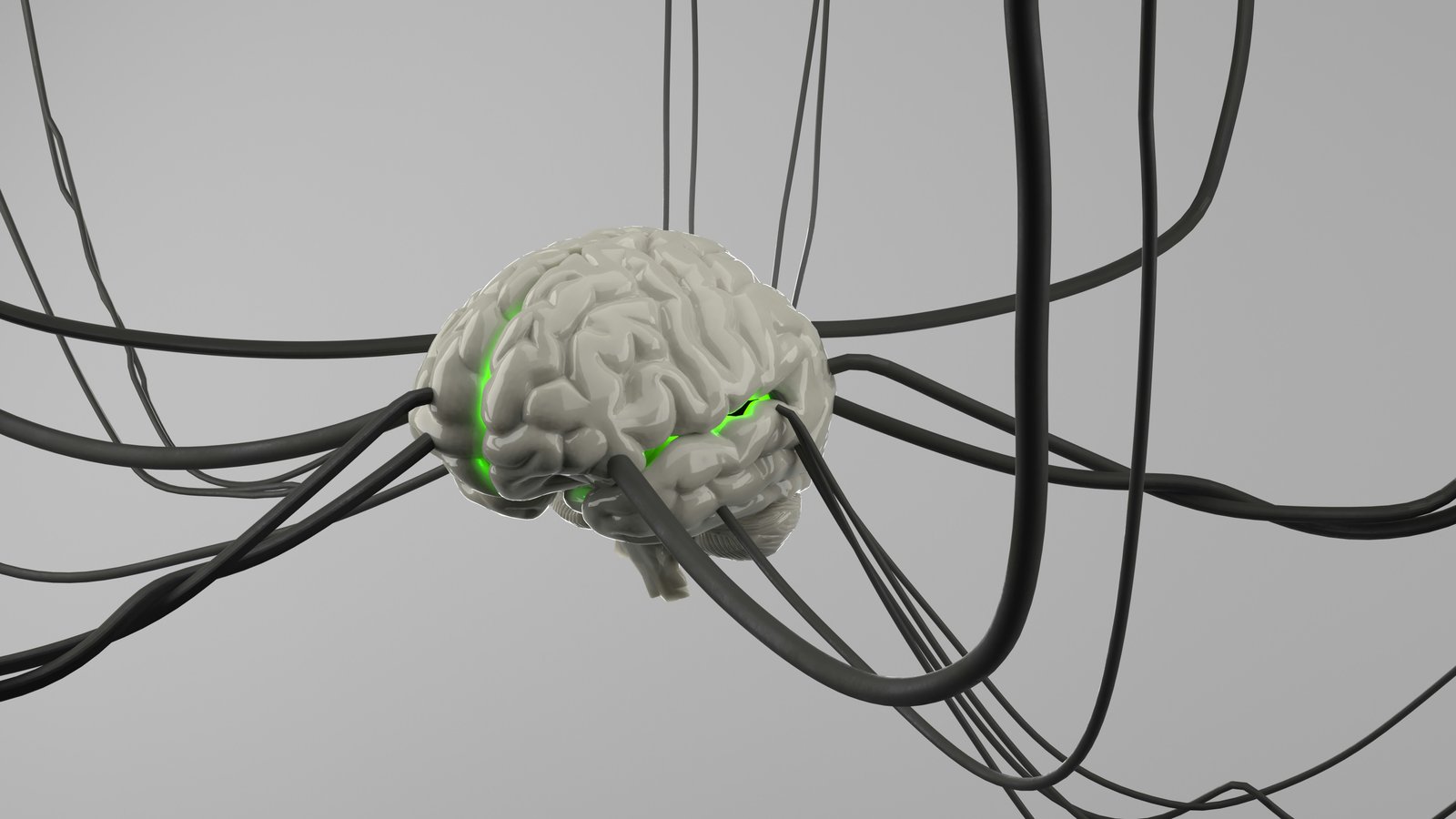
While self-help strategies are invaluable, professional guidance is often essential for navigating the complexities of trauma healing. A trauma-informed therapist can provide a safe container and tailored interventions. BSW Health blog specifically recommends seeking trauma-informed therapy, including somatic, EMDR, and polyvagal approaches, for dysregulated nervous systems.
Somatic Experiencing (SE)
Developed by Peter Levine, Somatic Experiencing focuses on helping individuals re-negotiate and release trauma energy that remains “stuck” in the body. Rather than relying solely on cognitive processing, SE guides clients to gently track bodily sensations, allowing the nervous system to complete incomplete threat responses in a safe and titrated manner. This helps to discharge excess energy and restore the body’s natural self-regulation.
Eye Movement Desensitization and Reprocessing (EMDR)
EMDR is a highly effective, evidence-based therapy specifically designed for processing traumatic memories. As highlighted by Mind Spa Denver, WeRise NYC, and Texas Psychiatry Group, EMDR helps individuals process distressing memories and reduce their emotional impact through bilateral stimulation (e.g., eye movements, taps). This process facilitates the brain’s natural healing mechanisms, helping to “re-wire” the way traumatic memories are stored, diminishing their power and allowing for healthier emotional responses.
Polyvagal-Informed Therapy
Building on Dr. Porges’s theory, polyvagal-informed therapy helps clients understand their nervous system states and develop strategies to shift towards the ventral vagal (social engagement) state. This involves co-regulation practices, as mentioned in the YouTube episode, where the therapist’s regulated presence helps to soothe and regulate the client’s nervous system. It also involves identifying triggers and developing tools to move out of fight/flight/freeze/collapse and into a felt sense of safety.
Strengthening Neuroplasticity for Lasting Change
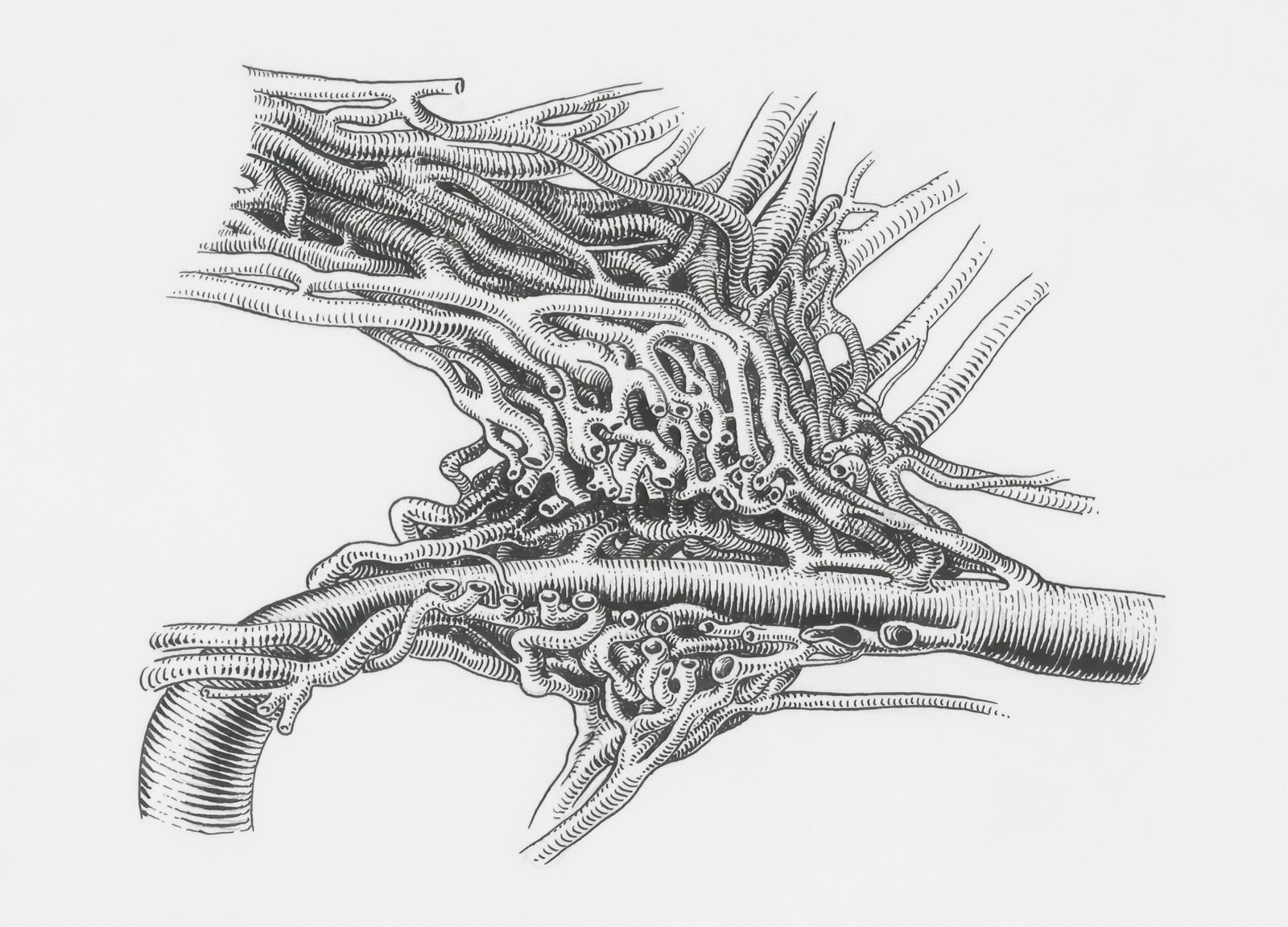
The good news is that our brains are incredibly adaptable. Neuroplasticity, the brain’s ability to reorganize itself by forming new neural connections, is at the core of true healing. As the Texas Psychiatry Group blog explains, we can actively participate in rewiring our brains post-trauma.
Lifestyle Factors that Support Regulation
Beyond therapy, several lifestyle factors play a crucial role in fostering neuroplasticity and supporting nervous system health.
Regular Exercise
Engaging in physical activity is a powerful way to release pent-up energy, reduce stress hormones, and promote mood-boosting neurotransmitters. It helps the nervous system complete the “fight or flight” response, signaling to the body that the danger has passed. Mind Spa Denver lists exercise as a key healing strategy.
Prioritizing Sleep
Sleep is a cornerstone of mental and physical health. During sleep, our brains consolidate memories, repair tissues, and consolidate new learning. Chronic sleep deprivation exacerbates nervous system dysregulation, making individuals more vulnerable to stress and anxiety. Establishing consistent sleep hygiene is vital for recovery.
Optimal Nutrition
A well-balanced diet rich in whole foods, healthy fats, and micronutrients provides the building blocks for brain health and neurotransmitter production. Conversely, a diet high in processed foods and sugar can contribute to inflammation and exacerbate symptoms of anxiety and depression.
Nurturing Healthy Relationships
Humans are inherently social beings. Safe, supportive relationships are a powerful source of co-regulation. Connecting with trusted friends, family, or support groups provides a sense of belonging and can help to soothe a dysregulated nervous system. The BSW Health blog emphasizes seeking connection as one of its top 7 tips.
Integrative and Emerging Treatments
For some individuals, adjunctive treatments can further support nervous system healing.
Transcranial Magnetic Stimulation (TMS)
Mind Spa Denver mentions TMS as a potential intervention. TMS is a non-invasive procedure that uses magnetic fields to stimulate nerve cells in the brain to improve symptoms of depression and anxiety, particularly when other treatments haven’t been effective.
Ketamine-Assisted Therapy
Also highlighted by Mind Spa Denver, ketamine, when administered in a therapeutic setting, can have rapid antidepressant and anti-anxiety effects. Its mechanism involves promoting neuroplasticity and fostering new neural connections, which can be particularly beneficial for trauma survivors when integrated into a comprehensive treatment plan.
The Journey Towards Reconnection and Resilience
| Technique | Effectiveness | Notes |
|---|---|---|
| Mindfulness Meditation | High | Helps regulate emotions and reduce stress |
| Deep Breathing Exercises | Medium | Can help calm the nervous system |
| Yoga | High | Combines movement and breath for stress relief |
| Therapy/Counseling | High | Professional support for processing trauma |
Healing the nervous system after trauma is a courageous journey, one that requires patience, self-compassion, and a commitment to understanding and nurturing your innermost being. It’s about moving from a place of chronic survival to one of thriving, where you can distinguish between true threats and perceived dangers, and where your body becomes an ally rather than an antagonist. As a mental health professional, I witness the profound transformation that occurs when individuals commit to this work. By integrating somatic awareness, breathwork, evidence-based therapies, and supportive lifestyle choices, you can effectively regulate your nervous system, reclaim your sense of safety, and reconnect to a life filled with meaning and genuine well-being. Remember, you are not broken; you are simply responding to trauma, and with the right tools and support, your capacity for healing is truly remarkable.