Self-harm, often referred to as self-injury, is a complex behavior characterized by the intentional infliction of physical harm to oneself. This can manifest in various forms, including cutting, burning, or hitting oneself. While the act may seem perplexing to those who have not experienced it, self-harm is often a coping mechanism for individuals grappling with overwhelming emotional pain or distress. It is crucial to understand that self-harm is not merely a reckless act; rather, it serves as a way for individuals to express feelings that may be too difficult to articulate verbally.
The motivations behind self-harm can vary significantly from person to person. For some, it may provide a temporary sense of relief from emotional turmoil, while for others, it may serve as a means of exerting control over their bodies in a world where they feel powerless. The act of self-harm can create a paradoxical sense of comfort, as it allows individuals to externalize their internal struggles. However, this relief is often fleeting and can lead to a cycle of shame and guilt, further complicating the individual’s emotional landscape.
The misconception of self-harm as attention-seeking behavior
One of the most pervasive misconceptions surrounding self-harm is the belief that it is an attention-seeking behavior. This stereotype can be damaging and stigmatizing, as it oversimplifies the complex emotional experiences of those who self-harm. Many individuals who engage in self-injury do so in secrecy, often feeling ashamed or embarrassed about their actions. The notion that self-harm is merely a ploy for attention undermines the genuine pain and distress that these individuals are experiencing.
This misconception can lead to further isolation for those who self-harm. When friends, family members, or even mental health professionals dismiss self-injury as attention-seeking, it invalidates the individual’s feelings and experiences. Instead of receiving the support they need, individuals may feel judged or misunderstood, which can exacerbate their emotional struggles. It is essential to approach the topic of self-harm with sensitivity and empathy, recognizing that the behavior often stems from deep-seated emotional pain rather than a desire for attention.
Understanding the underlying pain and emotions behind self-harm
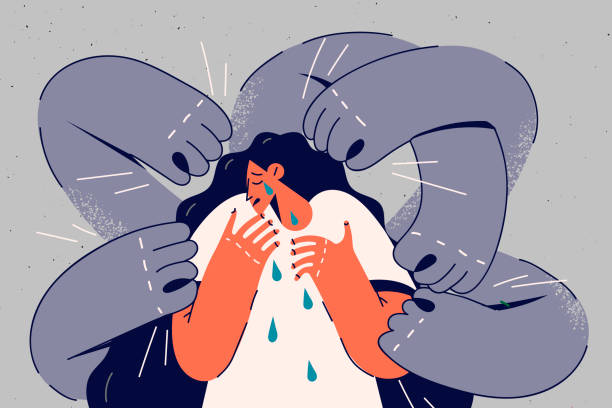
To truly comprehend self-harm, one must delve into the underlying emotions and psychological pain that drive individuals to engage in such behaviors. Often, self-harm is a manifestation of feelings such as sadness, anger, anxiety, or hopelessness. For many, these emotions can become overwhelming, leading them to seek out physical pain as a means of coping. The act of self-injury can provide a temporary distraction from emotional suffering, allowing individuals to feel something tangible amidst their internal chaos.
Moreover, self-harm can serve as a form of emotional release. For some individuals, the physical pain inflicted upon themselves can momentarily alleviate feelings of numbness or dissociation. In this way, self-harm becomes a paradoxical coping mechanism—while it may provide temporary relief, it ultimately perpetuates a cycle of emotional distress. Understanding this dynamic is crucial for mental health professionals and loved ones alike, as it highlights the need for compassionate support rather than judgment.
The different forms of self-harm

Self-harm can take on various forms, each with its own implications and meanings for the individual involved. The most commonly recognized form is cutting, where individuals use sharp objects to create superficial wounds on their skin. However, self-harm can also include behaviors such as burning, scratching, or hitting oneself. In some cases, individuals may engage in more covert forms of self-injury, such as substance abuse or engaging in risky behaviors that put their well-being at risk.
It is important to recognize that the specific form of self-harm does not determine the severity of the underlying issues. Regardless of how an individual chooses to express their pain, the act itself signifies a need for help and understanding. Each form of self-harm carries its own set of challenges and consequences, making it essential for mental health professionals to approach each case with an open mind and a willingness to explore the unique experiences of the individual.
The psychological impact of self-harm
The psychological impact of self-harm extends far beyond the immediate physical consequences. Engaging in self-injury can lead to feelings of shame and guilt, which can further exacerbate an individual’s emotional struggles. This cycle can create a sense of hopelessness, as individuals may feel trapped in their behaviors and unable to break free from the grip of self-harm. Additionally, the stigma surrounding self-injury can lead to social isolation, making it even more challenging for individuals to seek help or connect with others who understand their experiences.
Furthermore, self-harm can have long-term psychological effects that persist even after an individual stops engaging in these behaviors. Many individuals who have self-harmed report ongoing struggles with low self-esteem, anxiety, and depression. The scars—both physical and emotional—can serve as constant reminders of past pain and trauma. As mental health professionals, it is vital to address these lingering effects through therapeutic interventions that promote healing and resilience.
The role of trauma and past experiences in self-harm

Trauma plays a significant role in the development of self-harming behaviors for many individuals. Experiences such as abuse, neglect, or significant loss can leave deep emotional scars that manifest in various ways, including self-injury. For some individuals, self-harm becomes a way to cope with unresolved trauma or to express feelings that are too painful to confront directly. Understanding this connection between trauma and self-harm is essential for effective treatment and support.
Moreover, past experiences can shape an individual’s relationship with their body and emotions. Those who have experienced trauma may struggle with feelings of worthlessness or shame, leading them to engage in self-destructive behaviors as a means of punishing themselves or expressing their pain. By addressing these underlying issues in therapy, mental health professionals can help individuals develop healthier coping mechanisms and work towards healing from their past experiences.
How to support someone who self-harms

Supporting someone who engages in self-harm requires a delicate balance of empathy and understanding. It is essential to approach the situation without judgment or criticism, as this can further alienate the individual and discourage them from seeking help. Instead, create an open space for dialogue where they feel safe discussing their feelings and experiences. Listening actively and validating their emotions can go a long way in fostering trust and connection.
Encouraging professional help is also crucial in supporting someone who self-harms. While friends and family can provide valuable emotional support, mental health professionals possess the training and expertise necessary to address the underlying issues contributing to self-injury. Offer to assist them in finding resources or accompany them to appointments if they feel comfortable doing so. Ultimately, your role as a supporter is to be present and compassionate while empowering them to seek the help they need.
The importance of seeking professional help for self-harm

Seeking professional help is vital for individuals who engage in self-harming behaviors. Mental health professionals can provide tailored interventions that address both the immediate concerns related to self-injury and the underlying emotional issues driving these behaviors. Therapy modalities such as Dialectical Behavior Therapy (DBT) have been shown to be particularly effective in helping individuals develop healthier coping strategies and emotional regulation skills.
In addition to therapy, support groups can offer valuable opportunities for individuals to connect with others who share similar experiences. These groups create a sense of community and understanding that can be incredibly healing for those who feel isolated due to their struggles with self-harm. By seeking professional help, individuals take an important step towards breaking free from the cycle of self-injury and working towards a healthier future.
Strategies for coping with the urge to self-harm
Developing effective coping strategies is essential for individuals who experience urges to self-harm. One approach involves identifying triggers—situations or emotions that lead to the desire to engage in self-injury—and finding alternative ways to cope with these feelings. Journaling can be an effective outlet for expressing emotions without resorting to physical harm. Writing down thoughts and feelings allows individuals to process their experiences in a safe manner.
Another strategy involves engaging in physical activities that promote well-being without causing harm. Exercise can serve as a powerful tool for releasing pent-up emotions and reducing stress levels. Additionally, practicing mindfulness techniques such as deep breathing or meditation can help individuals ground themselves during moments of distress. By equipping themselves with healthy coping mechanisms, individuals can learn to navigate their emotions without resorting to self-injury.
Addressing the stigma and misconceptions surrounding self-harm
Addressing the stigma surrounding self-harm is crucial for fostering understanding and compassion towards those who engage in these behaviors. Education plays a key role in dispelling myths and misconceptions about self-injury. By raising awareness about the complexities of self-harm and its underlying causes, we can create a more supportive environment for individuals seeking help.
Encouraging open conversations about mental health can also help reduce stigma. When we normalize discussions around emotional struggles and self-injury, we create spaces where individuals feel safe sharing their experiences without fear of judgment. As mental health professionals and advocates, we must work together to challenge stereotypes and promote empathy towards those affected by self-harming behaviors.
Promoting empathy and understanding for individuals who self-harm

Promoting empathy and understanding for individuals who engage in self-harm requires a collective effort from society at large. It is essential to recognize that behind every act of self-injury lies a story filled with pain and struggle. By approaching these individuals with compassion rather than judgment, we create opportunities for healing and connection.
Encouraging empathy also involves listening without trying to fix or solve someone’s problems immediately. Sometimes, simply being present and validating their feelings can make all the difference in someone’s journey towards recovery. As we strive to foster understanding within our communities, we contribute to breaking down barriers that prevent individuals from seeking help and support for their struggles with self-harm.
In conclusion, understanding self-harm requires a multifaceted approach that considers its complexities and nuances. By addressing misconceptions, promoting empathy, and encouraging professional help, we can create a more supportive environment for those affected by this behavior. Through compassion and understanding, we empower individuals on their journey towards healing and recovery from emotional pain.