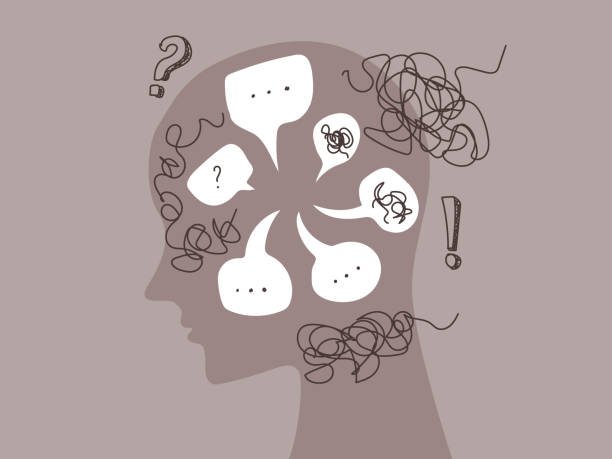
The brain’s Default Mode Network (DMN) is a fascinating and complex system that plays a crucial role in our mental processes. This network is most active when we are at rest and not focused on the external environment, such as during daydreaming, reminiscing, or contemplating future events. The DMN is primarily associated with self-referential thoughts, social cognition, and the processing of memories. It consists of several interconnected regions, including the medial prefrontal cortex, posterior cingulate cortex, and the angular gyrus. Understanding the DMN is essential for mental health professionals, as it provides insight into how our minds operate when we are not actively engaged in tasks.
Research has shown that the DMN can be both beneficial and detrimental to our mental well-being. On one hand, it allows for creativity and problem-solving by enabling us to connect disparate ideas and reflect on our experiences. On the other hand, excessive activity in the DMN can lead to rumination and negative thought patterns, which are often associated with anxiety and depression. As a Licensed Clinical Social Worker (LCSW), I often observe how clients’ struggles with intrusive thoughts and worries can be linked to an overactive DMN. By understanding this network’s function, we can better address these issues in therapy and develop strategies to help clients manage their mental processes more effectively.
The Impact of Stress and Anxiety on Brain Activity
Stress and anxiety have profound effects on brain activity, particularly in relation to the Default Mode Network. When individuals experience stress, the brain’s response can lead to heightened activity in areas associated with fear and anxiety, such as the amygdala. This heightened state of arousal can disrupt the balance of the DMN, causing it to become overly active or misaligned with other brain networks. As a result, individuals may find themselves trapped in cycles of worry and negative thinking, making it difficult to focus on the present moment or engage in meaningful activities.
Moreover, chronic stress can lead to structural changes in the brain, particularly in regions involved in emotional regulation and cognitive function. For instance, prolonged exposure to stress hormones like cortisol can shrink the hippocampus, which is critical for memory formation and emotional regulation. This can create a vicious cycle where stress leads to cognitive impairments, which in turn exacerbate feelings of anxiety and overwhelm. As a mental health professional, I emphasize the importance of recognizing these patterns in my clients and working collaboratively to develop coping strategies that can mitigate the impact of stress on their mental health.
The Role of Sleep and Rest in Calming the Brain
Sleep is an essential component of mental health that significantly influences brain activity and overall well-being. During sleep, particularly during rapid eye movement (REM) sleep, the brain processes information from the day, consolidates memories, and clears out toxins that accumulate during waking hours. This restorative process is vital for maintaining optimal cognitive function and emotional regulation. Unfortunately, many individuals struggle with sleep disturbances due to stress, anxiety, or lifestyle factors, which can further exacerbate mental health issues.
Rest is equally important for calming the brain and promoting mental clarity. Engaging in restful activities such as reading, meditating, or simply taking time to relax can help reduce the overactivity of the DMN and allow for a more balanced mental state. As an LCSW, I often encourage clients to prioritize sleep hygiene and incorporate regular periods of rest into their daily routines. By doing so, they can enhance their ability to cope with stressors and improve their overall mental health.
Techniques for Quieting the Mind and Reducing Mental Chatter

In our fast-paced world, many individuals experience persistent mental chatter that can be overwhelming and distracting. This incessant stream of thoughts can hinder concentration and contribute to feelings of anxiety. Fortunately, there are several techniques that can help quiet the mind and reduce this mental noise. One effective method is deep breathing exercises, which promote relaxation by activating the body’s parasympathetic nervous system. By focusing on slow, intentional breaths, individuals can create a sense of calm that counteracts racing thoughts.
Another technique is journaling, which allows individuals to externalize their thoughts and feelings. Writing down worries or concerns can provide clarity and help individuals process their emotions more effectively. Additionally, engaging in creative activities such as drawing or painting can serve as a form of mindfulness practice that encourages individuals to focus on the present moment rather than getting lost in their thoughts. As a mental health professional, I often work with clients to identify techniques that resonate with them personally, empowering them to take control of their mental chatter.
The Influence of Exercise and Physical Activity on Brain Function
Physical activity has long been recognized for its numerous benefits on physical health; however, its impact on brain function is equally significant. Regular exercise has been shown to enhance cognitive performance by increasing blood flow to the brain and promoting neurogenesis—the creation of new neurons. This process is particularly important for maintaining cognitive flexibility and emotional resilience. Moreover, exercise releases endorphins and other neurotransmitters that improve mood and reduce feelings of anxiety.
Incorporating physical activity into daily routines can also serve as a powerful tool for managing stress. Engaging in activities such as walking, running, or yoga not only provides a healthy outlet for pent-up energy but also encourages mindfulness by allowing individuals to connect with their bodies. As an LCSW, I often recommend exercise as part of a holistic approach to mental health treatment. By encouraging clients to find physical activities they enjoy, we can foster a sense of empowerment and promote overall well-being.
Mindfulness and Meditation as Tools for Calming the Brain

Mindfulness and meditation have gained popularity as effective tools for calming the mind and enhancing mental well-being. Mindfulness involves paying attention to the present moment without judgment, allowing individuals to observe their thoughts and feelings without becoming overwhelmed by them. This practice can help reduce rumination and promote emotional regulation by fostering a greater awareness of one’s internal experiences.
Meditation takes mindfulness a step further by providing structured techniques for quieting the mind. Various forms of meditation—such as guided imagery, loving-kindness meditation, or body scan—can help individuals cultivate a sense of inner peace and reduce anxiety levels. Research has shown that regular meditation practice can lead to changes in brain structure and function, particularly in areas related to emotional regulation and self-awareness. As a mental health professional, I often introduce clients to mindfulness practices as part of their therapeutic journey, helping them develop skills that promote resilience and emotional balance.
The Connection Between Diet and Brain Activity
The food we consume plays a significant role in shaping our brain activity and overall mental health. Nutritional neuroscience has revealed that certain dietary patterns can influence mood regulation, cognitive function, and even susceptibility to mental health disorders. For instance, diets rich in omega-3 fatty acids—found in fish, nuts, and seeds—have been linked to improved mood and reduced symptoms of depression. Conversely, diets high in processed foods and sugars may contribute to inflammation in the brain, potentially exacerbating anxiety and depressive symptoms.
As an LCSW, I often encourage clients to consider their dietary choices as part of their overall mental health strategy. Simple changes such as incorporating more whole foods—fruits, vegetables, whole grains—into their diets can have a positive impact on brain function. Additionally, staying hydrated is crucial for maintaining optimal cognitive performance. By fostering awareness around nutrition and its effects on mental health, we empower clients to make informed choices that support their well-being.
Seeking Professional Help for Persistent Brain Activity
While many individuals may experience occasional racing thoughts or heightened brain activity due to stress or anxiety, persistent issues may require professional intervention. Mental health professionals play a vital role in helping individuals navigate these challenges by providing support, guidance, and evidence-based interventions tailored to their unique needs. Therapy can offer a safe space for individuals to explore their thoughts and feelings while developing coping strategies that promote emotional regulation.
As an LCSW, I emphasize the importance of seeking help when mental chatter becomes overwhelming or interferes with daily functioning. Through therapeutic techniques such as cognitive-behavioral therapy (CBT), mindfulness-based interventions, or psychodynamic approaches, clients can gain insight into their thought patterns and learn effective strategies for managing their mental activity. Ultimately, seeking professional help is a proactive step toward achieving greater mental clarity and emotional well-being.
In conclusion, understanding the intricacies of brain activity—particularly regarding the Default Mode Network—can provide valuable insights into our mental processes. By recognizing the impact of stress, sleep, exercise, mindfulness practices, diet, and professional support on brain function, we can develop comprehensive strategies for promoting mental well-being. As an LCSW dedicated to supporting individuals on their journey toward better mental health, I encourage everyone to explore these avenues for calming the mind and enhancing overall quality of life.