
Couples Who Heal Together: Strengthening Emotional Intimacy through Joint Therapy
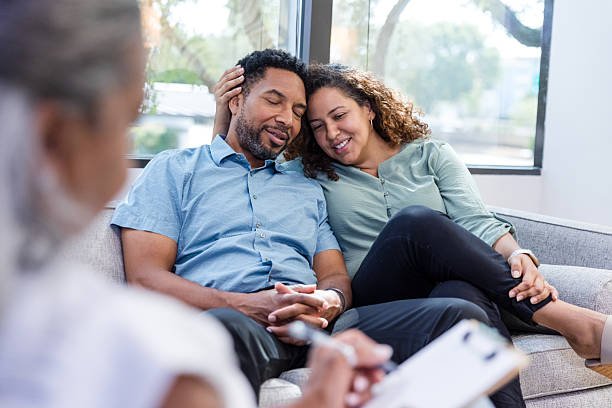
Joint therapy, often referred to as couples therapy, offers a unique opportunity for partners to engage in a structured environment where they can explore their relationship dynamics. One of the primary benefits of joint therapy is the safe space it creates for open dialogue. In this setting, both partners can express their feelings, thoughts, and concerns without fear of judgment. This environment fosters understanding and empathy, allowing couples to see each other''s perspectives more clearly.
The presence of a trained therapist can facilitate these discussions, guiding couples through difficult conversations that might otherwise lead to conflict or withdrawal. Joint therapy can help couples identify patterns in their interactions that may be detrimental to their relationship. Often, partners may find themselves caught in cycles of blame or defensiveness, which can erode trust and connection over time. Through the therapeutic process, couples can learn to recognize these patterns and develop healthier communication strategies.
Building Trust and Communication
Trust is the cornerstone of any healthy relationship, and joint therapy provides a structured approach to rebuilding and enhancing this essential element. In therapy, couples are encouraged to share their vulnerabilities and fears in a supportive environment. This process can be particularly transformative for partners who may have experienced breaches of trust in the past.
Effective communication is another critical component that joint therapy seeks to improve. Many couples struggle with expressing their needs and feelings in a constructive manner. In therapy, partners learn active listening skills and how to articulate their thoughts without resorting to blame or criticism. This shift in communication style can lead to more productive conversations and a greater sense of connection.
Exploring the Impact of Trauma and Healing as a Couple
Trauma can have a profound impact on relationships, often creating barriers to intimacy and connection. Joint therapy provides a safe space for couples to explore how individual traumas may affect their partnership. Whether it''s past experiences of abuse, loss, or significant life changes, understanding the influence of trauma is crucial for healing.
Healing from trauma is not a solitary journey; it often requires the support of a partner. Joint therapy allows couples to navigate this healing process together, reinforcing their bond as they confront difficult emotions. The therapist can guide discussions around trauma triggers and coping strategies, helping partners support each other in meaningful ways.
Overcoming Relationship Challenges
Every relationship faces challenges at some point, whether they stem from external stressors or internal conflicts. Joint therapy offers couples the tools they need to address these challenges head-on. One of the key advantages of therapy is that it provides a neutral ground where both partners can express their concerns without fear of escalation.
In therapy, couples learn problem-solving techniques that empower them to tackle issues collaboratively. This approach fosters teamwork and reinforces the idea that both partners are invested in finding solutions rather than placing blame. As they work through challenges together, couples often discover new strengths within themselves and each other.
Strengthening Emotional Connection and Intimacy
Emotional connection is vital for a thriving relationship, yet it can sometimes wane over time due to various life stressors or unresolved conflicts. Joint therapy provides an opportunity for couples to rekindle this emotional intimacy by focusing on their shared experiences and feelings. Through guided exercises and discussions, partners can explore what brings them joy and fulfillment within the relationship.
Therapists often encourage couples to engage in activities that promote bonding outside of sessions, such as date nights or shared hobbies. These activities can help partners reconnect on a deeper level, fostering a sense of closeness that may have been lost. Additionally, therapy can help couples identify and address any barriers to intimacy, such as fear of vulnerability or past hurts.
Navigating Individual and Collective Healing
While joint therapy focuses on the couple as a unit, it also recognizes the importance of individual healing within the context of the relationship. Each partner brings their own experiences, emotions, and histories into the relationship dynamic. Joint therapy allows for both individual and collective healing by encouraging partners to explore their personal struggles while also addressing shared issues.
This dual focus can be particularly beneficial for couples dealing with significant life changes or stressors that impact both partners. For instance, if one partner is coping with grief or anxiety, it''s essential for the other partner to understand how these feelings affect the relationship.
Cultivating Resilience and Support
Resilience is an essential quality for any relationship facing challenges. Joint therapy helps couples cultivate resilience by equipping them with coping strategies and problem-solving skills that they can draw upon during difficult times. The therapist plays a crucial role in guiding couples through this process, helping them identify their strengths and resources as a partnership.
In addition to developing resilience, joint therapy fosters a culture of support within the relationship. Couples learn how to be each other''s advocates during times of stress or conflict. This support system not only enhances emotional well-being but also reinforces the idea that both partners are committed to each other''s growth and happiness.
Sustaining Emotional Intimacy and Growth
The journey of emotional intimacy and growth does not end with joint therapy; rather, it is an ongoing process that requires commitment from both partners. Sustaining this intimacy involves regular check-ins about each partner''s feelings and needs, as well as continued practice of effective communication skills learned in therapy.
Ongoing personal growth is essential for sustaining emotional intimacy within the relationship. As individuals evolve over time, so too must their relationships adapt to accommodate these changes. Couples who prioritize personal development alongside their partnership often find that they are better equipped to navigate life''s challenges together. By fostering an environment of continuous growth and support, couples can ensure that their emotional connection remains strong and vibrant throughout their journey together.