

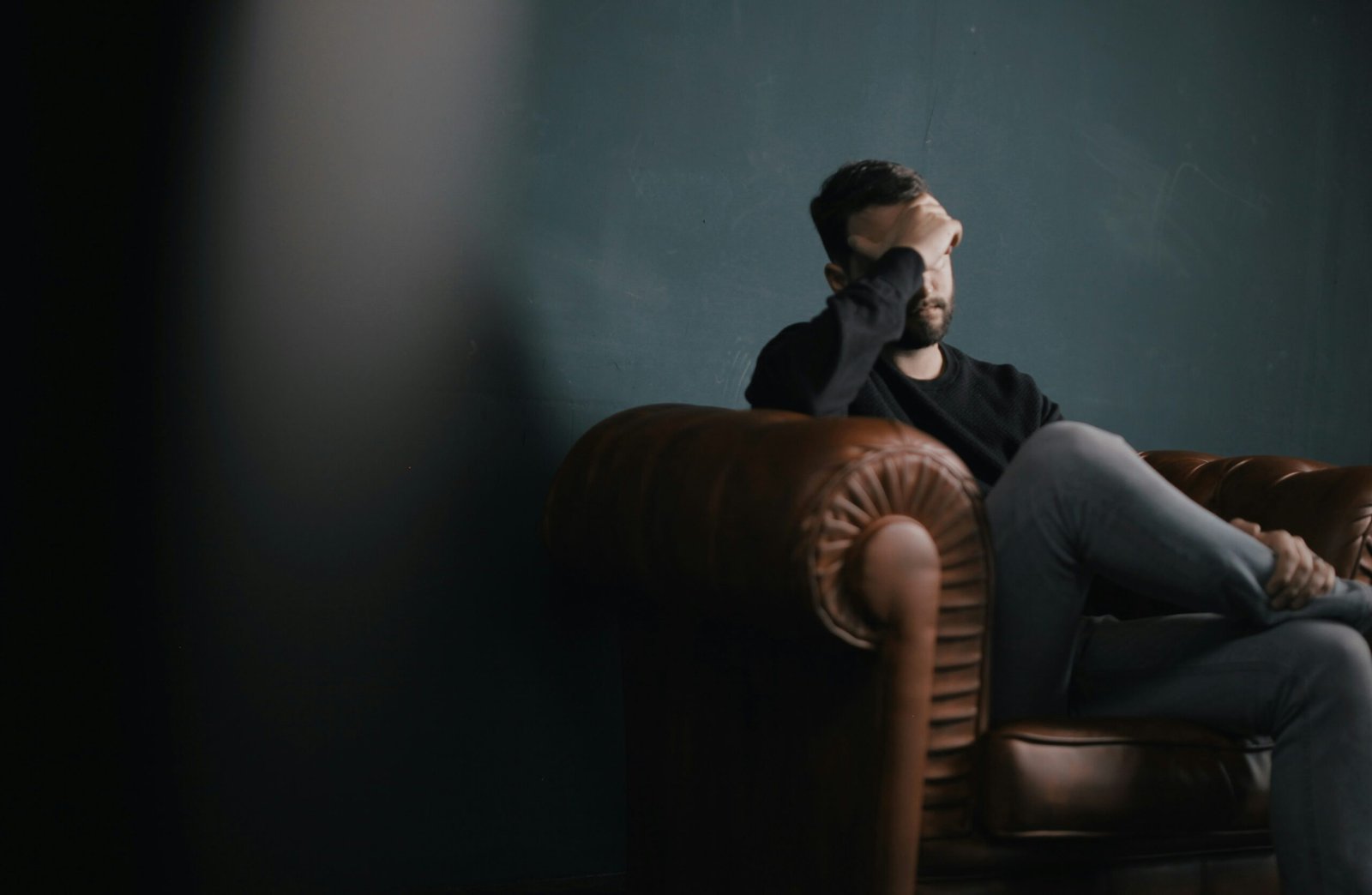
It rarely starts with staying home. It starts with skipping one crowded store, then avoiding the freeway at rush hour, then declining an invitation because the venue is "too far." Each choice makes sense in the moment. But quietly, the map of places that feel safe keeps shrinking — until the world outside your comfort zone feels impossibly big.
That's agoraphobia. And it is far more treatable than it feels from the inside.
What Agoraphobia Really Is
The name suggests "fear of open spaces," but agoraphobia is really a fear of situations where escape might be difficult or help unavailable if anxiety or panic strikes. Common trouble spots include:
- Crowds and lines
- Public transportation, freeways, and bridges
- Stores, theaters, casinos, and other enclosed spaces
- Wide-open areas like parking lots
- Being outside the home alone, or far from a "safe" person or place
The common thread isn't the location — it's the question the brain keeps asking: What if it happens here, and I can't get out?
Agoraphobia often develops after panic attacks, when someone starts avoiding wherever panic struck or might strike. But it can also grow without full panic attacks, out of fears of fainting, falling, losing control of one's stomach, or being embarrassed in public.
The Shrinking-World Cycle
Avoidance is the engine. Every avoided errand delivers a hit of relief — and relief is powerful teaching. The brain concludes the situation truly was dangerous and that avoiding it was survival. Next time, the pull to avoid is stronger, and the safe zone gets smaller.
Safety behaviors work the same way in miniature: only going out with a trusted companion, sitting near exits, carrying rescue medication you never use, keeping the car close. They make outings possible, but they whisper the same message — you couldn't have handled this on your own.
Over time the costs mount: missed work, strained relationships, canceled plans, groceries by delivery only, and a life increasingly lived through a window. Depression and loneliness often move in alongside. In a spread-out city like Las Vegas, where daily life assumes a car trip across the Valley, the isolation can deepen fast.
The Way Back Out
Cognitive behavioral therapy (CBT) with graduated exposure is the best-supported treatment for agoraphobia, and its logic is the exact reverse of the shrinking-world cycle: approach, in small planned steps, and let the brain relearn safety through experience.
With a therapist, that usually looks like:
- Mapping your current world — the safe zone, the avoided places, the safety behaviors propping things up
- Building a ladder from easiest to hardest situations, and climbing it one rung at a time
- Panic skills — slow breathing, grounding, and realistic self-talk for waves of anxiety mid-outing
- Interoceptive practice when fear of body sensations is the core driver
- Gradually retiring safety behaviors, so each success genuinely counts as yours
Progress compounds. The first solo trip to the corner store makes the supermarket thinkable; the supermarket makes the freeway thinkable. Setbacks happen and are part of the plan, not proof of failure.
One practical note: telehealth has made starting treatment far more accessible for people with agoraphobia. You can begin therapy from the very place that feels safe — and let the work expand outward from there.
If This Is You
Agoraphobia carries a particular loneliness, because the condition itself hides you from view. Friends stop asking; you stop explaining. Please hear this: staying home was never weakness. It was your nervous system trying to protect you with a strategy that overshot. You can retrain it, and you don't have to do it alone.
For family and friends: the most loving response is patient encouragement, not pressure or rescue. Driving your loved one everywhere and running all their errands feels kind, but it can quietly cement the avoidance. Better: learn about the condition, ask how you can support their practice steps, and celebrate small wins that might look ordinary from the outside — because for them, the corner store was a mountain, and they climbed it.
How Brighter Tomorrow Can Help
Brighter Tomorrow Counseling Services helps clients across the Las Vegas Valley rebuild their world after anxiety has shrunk it — starting with telehealth anywhere in Nevada if leaving home feels out of reach today, and in-person care when you're ready. Get scheduled today