

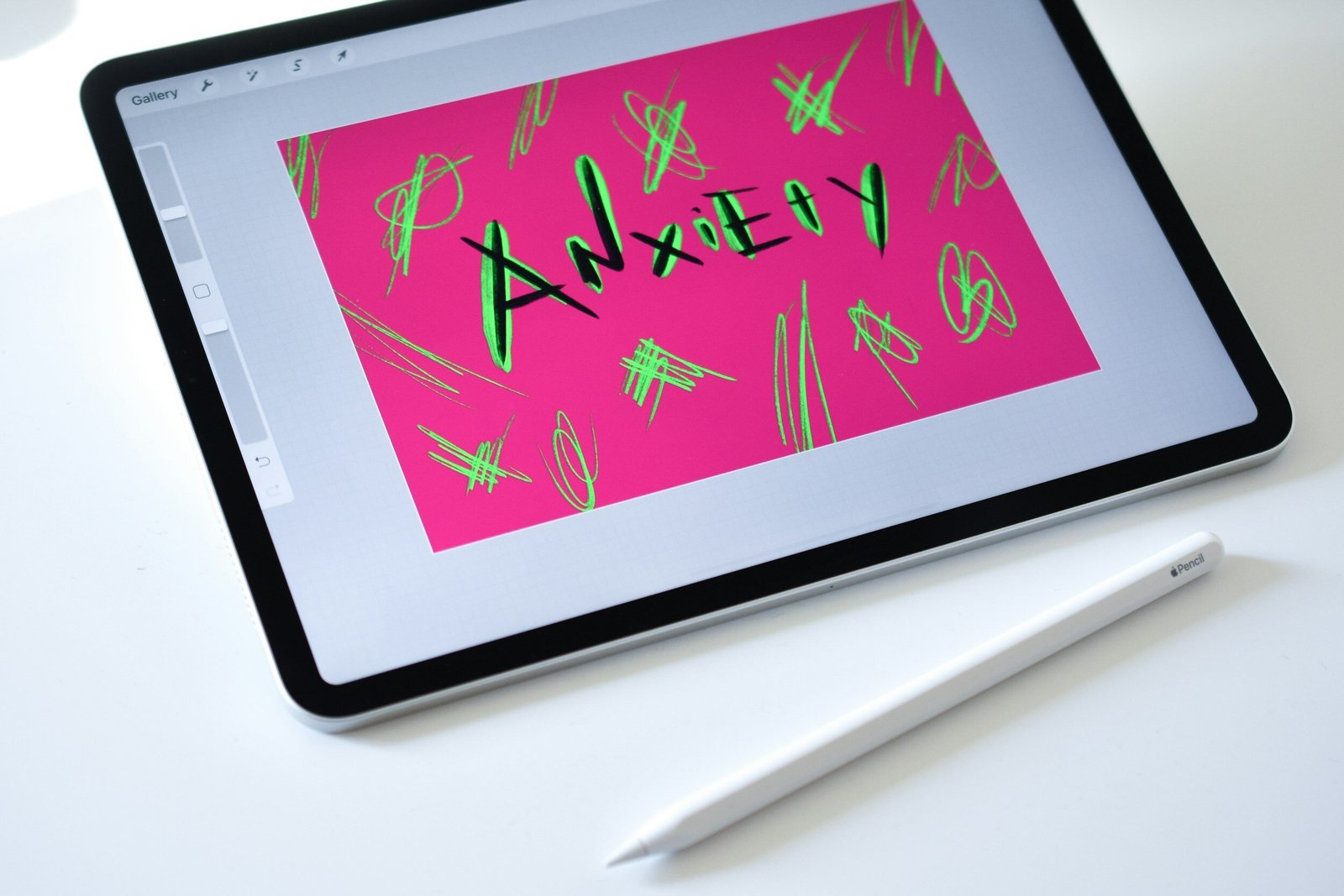
If you have searched for CBT therapy in Las Vegas, you have probably seen the acronym attached to almost everything—anxiety, depression, insomnia, even chronic stress. Cognitive behavioral therapy is one of the most studied approaches in modern mental-health care, and there is a good reason it keeps coming up. It gives people practical, learnable tools for working with the thoughts, feelings, and behaviors that shape daily life.
But the acronym can sound clinical and a little intimidating. Let's slow down and walk through what CBT actually is, how a session tends to unfold, and why so many people across the Las Vegas Valley find it a comfortable place to start.
The Core Idea Behind CBT
CBT rests on a simple but powerful observation: our thoughts, emotions, and actions are connected. The way we interpret a situation shapes how we feel about it, and how we feel often drives what we do next. When that loop gets stuck in an unhelpful pattern, distress tends to build.
Imagine someone whose phone buzzes with a text from their boss that simply says "Can we talk later?" One person might think, "Sure, probably scheduling stuff," and feel neutral. Another might think, "I'm in trouble," feel a wave of dread, and spend the afternoon unable to focus. The event is identical. The thought is what shifted the experience. CBT helps people notice those automatic interpretations and ask whether they are accurate and helpful.
What Actually Happens in a CBT Session
CBT tends to be structured and collaborative. Rather than the therapist quietly observing while you talk for fifty minutes, you and your therapist work as a team on specific goals. A typical arc might include:
- Identifying patterns. Together you map out the thoughts, feelings, and behaviors tied to the situations that bring you in.
- Examining thoughts. You learn to spot common thinking traps—catastrophizing, all-or-nothing thinking, mind-reading—and gently test them against the evidence.
- Building skills. You practice new responses, from breathing techniques to reframing exercises to gradually facing situations you have been avoiding.
- Trying it out. CBT often includes "between-session practice," small experiments you run in real life so the skills move from the office into your week.
This structure is part of what makes CBT approachable. You usually leave each session with something concrete to work on, which can feel reassuring if you are new to therapy.
What CBT Can Help With
Research supports CBT for a wide range of concerns, including anxiety, depression, panic, sleep difficulties, and stress-related struggles. It is also flexible. A therapist might blend cognitive techniques with mindfulness, behavioral activation, or exposure work depending on what you are facing.
It is worth saying plainly: CBT is a skill set, not a magic switch. Like learning any new skill—whether that is playing guitar or navigating the 215 at rush hour—it takes repetition. The benefit is that the tools tend to stay with you long after therapy ends.
Reframing Is Not Forced Positivity
A common misconception is that CBT just means "thinking positive." That is not it. The goal is not to paper over hard feelings with cheerful slogans. It is to develop a more balanced, realistic view—one that acknowledges genuine difficulties while loosening the grip of distortions that make things feel worse than they are.
For example, telling yourself "everything is fine" when it isn't usually backfires. A more CBT-style reframe might be, "This is genuinely hard, and I have handled hard things before, and I can take the next small step." That kind of honesty tends to be far more sustainable.
Is CBT the Right Fit for You?
Many people appreciate CBT because it is goal-oriented and time-aware, which can feel manageable for busy schedules. Others may find they want a more open-ended, exploratory approach, or a method that focuses more on the body or on past experiences. A skilled therapist can talk through these options with you and tailor the work to your needs. There is no single "correct" therapy—only the one that fits the person.
If you are weighing whether to begin, consider a few questions: Are there recurring thoughts that pull you into the same painful place? Are there situations you keep avoiding? Would you like practical tools you can use day to day? If you nodded along, CBT may be a comfortable entry point.
Taking the First Step
Starting therapy can feel like a big move, especially in a fast-paced city where slowing down is rarely encouraged. But learning to work with your own thoughts is one of the most grounding skills you can build, and it travels with you everywhere.
This article is meant to be educational and is not a substitute for personalized care from a licensed professional. If you are in crisis, call or text 988 (Suicide & Crisis Lifeline) for immediate support.
At Brighter Tomorrow Therapy, we work with people across the Las Vegas area and offer both in-person and online sessions. If you are curious whether cognitive behavioral therapy could help with what you are carrying, we would be glad to talk it through. Reach out for a consultation whenever you feel ready—there is no pressure, just a conversation about what support might look like for you.