

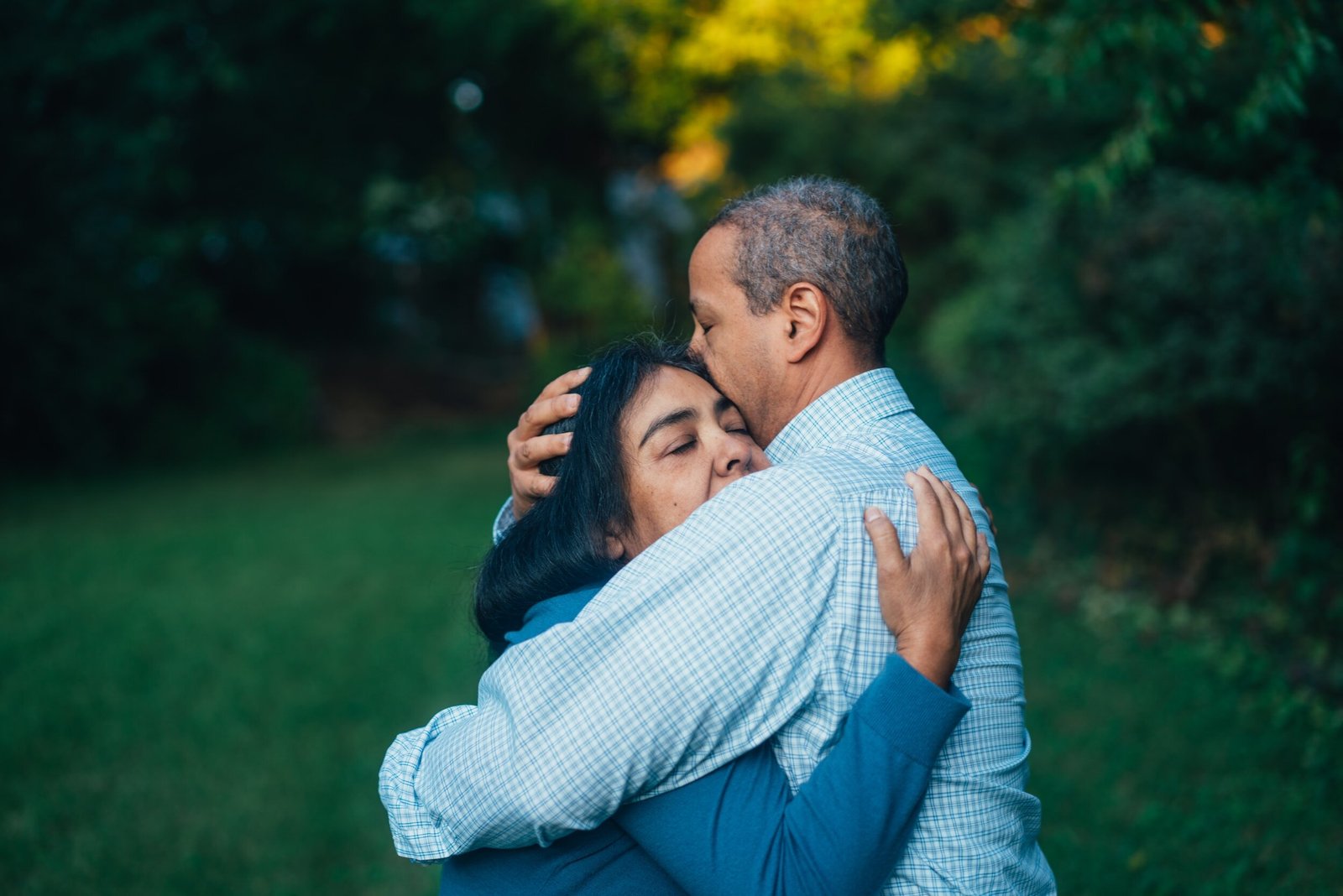
Most couples don't walk into couples therapy in Las Vegas at the first sign of trouble. More often, they arrive after months — sometimes years — of the same argument on a loop, or after a quiet drift that left them feeling more like roommates than partners. If you've found yourself wondering whether it's time to ask for help, that question itself is worth listening to.
There's a common myth that counseling is only for relationships on the brink. In reality, many of the couples who benefit most are the ones who reach out early, while there's still plenty of goodwill to build on. Think of it less like an emergency room and more like routine maintenance for something you'd like to keep running for a long time.
Signs It Might Be Time
No two relationships look alike, but certain patterns tend to show up when a couple is stuck. You don't need all of these to justify reaching out — even one that keeps resurfacing is reason enough to talk to someone.
- The same disagreement repeats with no resolution, just escalating volume or longer silences.
- Conversations feel risky, so you start avoiding topics altogether.
- One or both of you feels unheard, criticized, or quietly resentful.
- Physical or emotional intimacy has faded and you're not sure how to find your way back.
- A major life change — a new baby, a job on the Strip with brutal hours, a move, a loss — has shifted the ground beneath you.
- Trust has been shaken and you want to decide, together, what comes next.
When Things Feel "Fine" but Flat
Not every couple comes in over conflict. Some arrive because the spark has dimmed and they miss each other. That's a perfectly valid reason. A relationship can be free of fighting and still feel lonely, and therapy can be a space to rebuild closeness on purpose rather than waiting for it to return on its own.
What Couples Therapy Actually Looks Like
People sometimes picture a therapist taking sides or assigning blame. That's not how good couples work unfolds. The therapist's job is to support the relationship itself — to help both partners feel safe enough to be honest, and to slow down the conversations that usually spin out at home.
In early sessions, you can generally expect a therapist to ask about your history together, what's working, and what's bringing you in now. From there, the work often centers on communication: learning to express a need without an attack, to listen without immediately defending, and to recognize the old patterns that pull you both off course. Many approaches also help couples understand the deeper emotions — fear, longing, hurt — that sit underneath surface-level arguments about chores, money, or time.
Sessions are a place to practice, not just to vent. You might leave with a small experiment to try at home, then come back and talk through how it went.
The Las Vegas Factor
Living in a 24/7 city adds its own pressures to a partnership. Opposite shift schedules, the financial swings that come with tipped or seasonal work, and a social scene that never really powers down can leave couples passing each other in the hallway. It's easy for connection to slip down the priority list when the city around you never slows. Naming those external stressors — rather than blaming each other for them — is often a relief in itself, and it's something a local therapist who understands the rhythm of valley life can help you sort through.
How to Take the First Step
Deciding to go is frequently the hardest part. A few things can make it easier:
- Talk about it as a team. Frame it as "I want us to feel close again," not "you need fixing."
- Lower the stakes. A single consultation is just a conversation, not a commitment to overhaul your whole relationship.
- Pick a realistic time. Choose a session slot that works around your schedules so therapy doesn't become one more source of stress.
- Stay curious, not certain. You don't need to know what the outcome should be. You only need to be willing to explore it together.
Couples therapy isn't a verdict on your relationship — it's an investment in it. Whether you've been together for a year or twenty, choosing to understand each other better is one of the most caring things two people can do.
This article is for general education and isn't a substitute for personalized care from a licensed professional. If you and your partner are curious whether counseling could help, Brighter Tomorrow Therapy offers compassionate, in-person and online sessions for couples across the Las Vegas area. When you're ready, reach out for a consultation — there's no pressure, just a conversation about what you both want next.