

For older adults in northeastern Nevada, specialist care has historically meant a long drive — to Elko if you are lucky, to Reno or Salt Lake if you are not, on highways that are unpleasant for several months of the year.
For mental health specifically, that has meant most people simply going without.
Depression is not a normal part of getting older
The most important correction, because the opposite belief leaves a great many older adults untreated for years.
Persistent low mood, loss of interest, poor sleep, and withdrawal are not what aging feels like. They are symptoms of a treatable condition, and treatment works as well at eighty as at thirty.
Late-life depression also presents differently than people expect. Instead of visible sadness:
- Physical complaints — pain, digestive trouble, fatigue — that come back clear
- Memory and concentration problems, sometimes mistaken for early dementia
- Irritability and withdrawal
- Anxiety about health, money, or being a burden
- A flatness the person describes as no longer caring much
The overlap with cognitive change matters. Depression is treatable and is sometimes the actual cause of memory complaints, so it deserves a proper assessment rather than an assumption.
Loss that arrives repeatedly
By the seventies and eighties, most people have buried a substantial number of the people who knew them — a spouse, siblings, lifelong friends, frequently several in a few years.
In a small community, there is an additional dimension: you attend all of the funerals, because you knew everyone. That is both a strength and a weight.
There are also the losses that are not deaths and receive no acknowledgment at all: giving up driving on winter roads, selling a place that became unmanageable, a body that no longer does what it did, and the independence that goes with each. Every one is worth grieving rather than being reframed as being sensible.
Caring for a partner
A large share of older adults in rural Nevada are caregivers, most often for a partner with dementia or a serious illness, frequently with no respite and no nearby family.
Caregiver strain has well-documented effects — elevated depression and anxiety, worse physical health, and social isolation as the caregiving expands to fill everything.
There is also anticipatory grief: mourning someone who is still here. It is one of the hardest forms of grief there is, and caregivers rarely feel entitled to name it. Loving someone and being exhausted by their care are not contradictory.
Support for the caregiver is not a diversion from the patient. It is what makes continued care possible.
Alcohol, raised gently
Worth raising because it goes unasked in this age group.
Drinking often increases after retirement or bereavement, tolerance decreases with age, and interactions with common medications are significant. If the evening drink has become three and you have privately noticed, that is a reasonable thing to bring up — and it is usually connected to the grief or the isolation rather than being separate from them.
Why the screen fixes the real problem
Willingness is rarely what stops older adults in rural Nevada from getting help. The drive is.
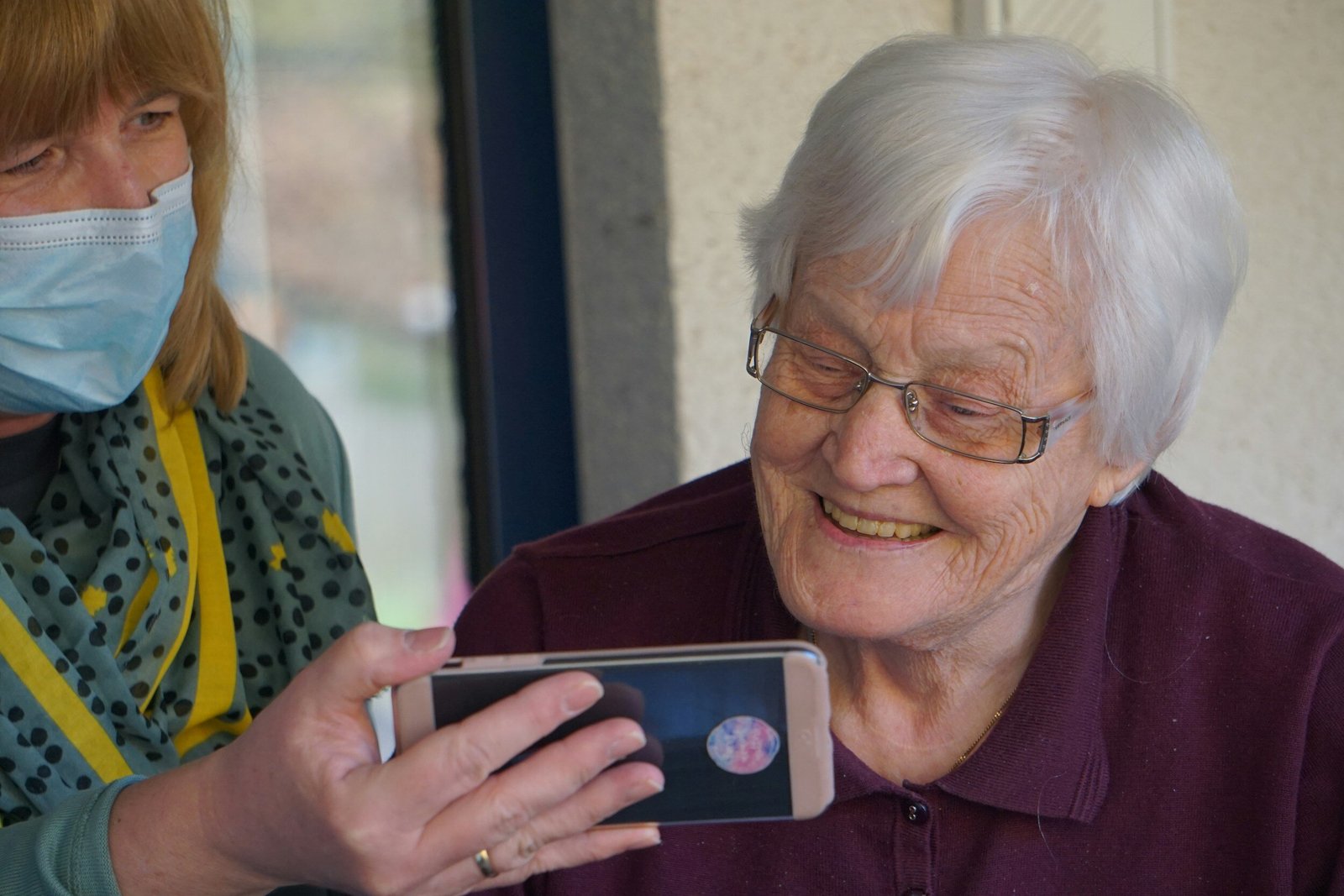
Secure video sessions eliminate it: no winter highway, no night driving, no depending on an adult child for a ride, no full-day commitment for a fifty-minute appointment.
The technology objection is usually overstated. It is one link, and we will walk you through the first session by phone. Many clients have a family member set it up once and never think about it again.
We are licensed in Nevada and see clients statewide, including Elko, Spring Creek, Carlin, Wells, Lamoille, and Jackpot.
Plans and payment
Medicare covers outpatient mental health care, and we are in network with most major insurance plans. Self-pay is $150 with licensed clinicians and $125 with associate clinicians, with a written estimate before you begin.
If you are the adult child, out of state
A lot of people in this age group in rural Nevada have children who moved away, and those children are often the ones who notice something is wrong.
Ask directly rather than hinting. Frame it as support rather than as something being wrong with them — "I think it would help to have someone to talk to" lands far better than anything clinical.
Take any mention of being a burden seriously. Older men have the highest suicide rate of any demographic group in the United States, and in rural areas with high firearm prevalence the risk is compounded. Where someone is struggling, temporarily storing firearms with a relative is a straightforward and effective protective step.
988 is available any hour by call or text.
Enduring is not the only option
Depression, grief, isolation, and caregiver exhaustion all respond to treatment, including well into later life. The only thing that has ever been different about rural Nevada is access, and that part has changed.
Book a session — from your own kitchen table.