
Aging at Lake Tahoe: Counseling for Older Adults in Incline Village
 Lorenthia Clayton, LCSW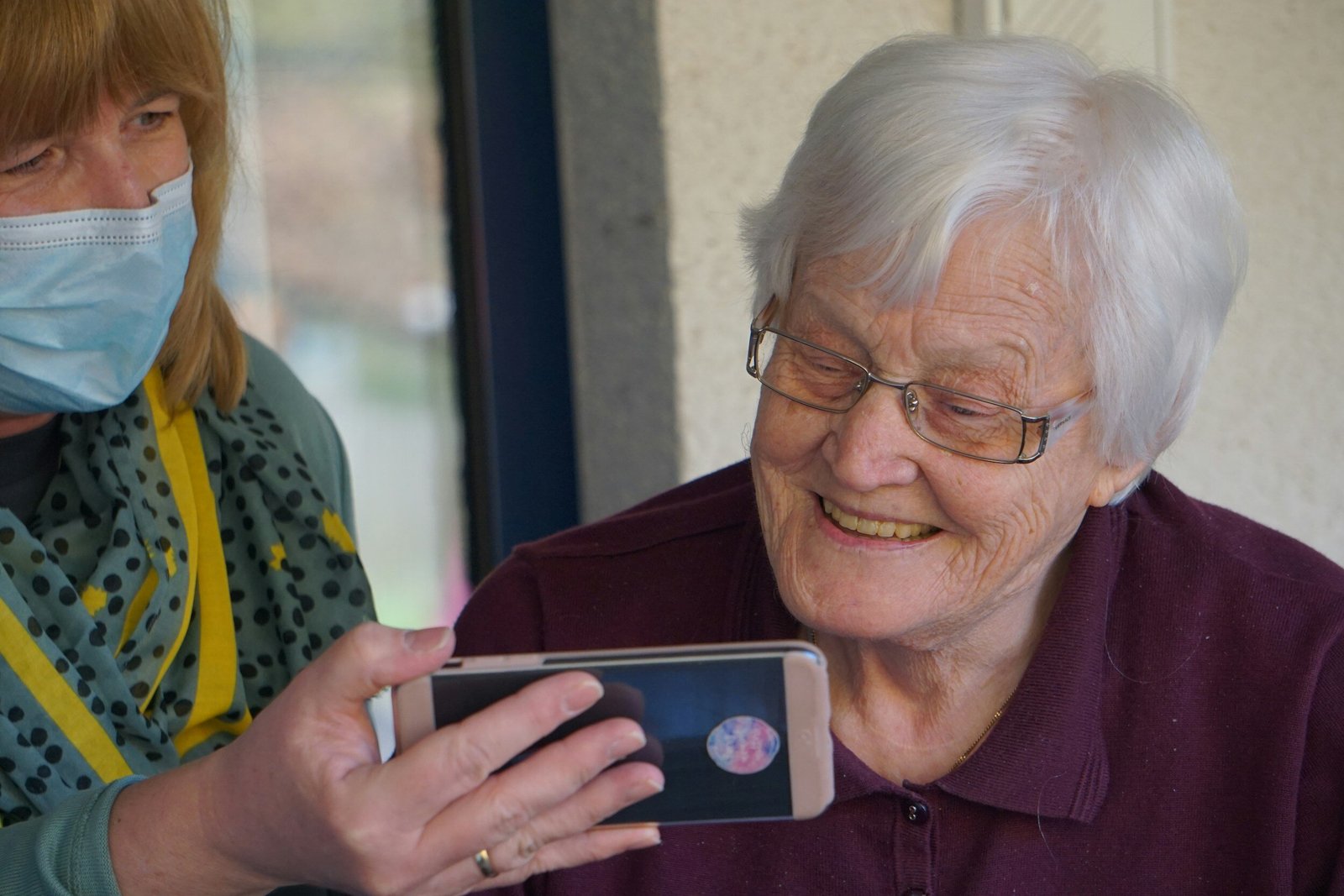
It is one of the most beautiful places in Nevada to grow old, and that is not the same as an easy one.
Incline Village and Crystal Bay have an older population than the state as a whole, a significant number of second homes, and a seasonal rhythm that empties the community for months at a stretch. A retired couple who moved here for the lake can find, ten years in, that the friends they made have relocated to be near grandchildren, the winter is long, and the drive to a specialist appointment involves a mountain road in February.
Depression in late life is not part of aging
This is the most important correction to make, because the belief that it is keeps a great many older adults untreated.
Feeling persistently low, losing interest in everything, sleeping poorly, and withdrawing are not normal features of getting older. They are symptoms of a treatable condition, and treatment works as well in the seventies and eighties as at any other age.
Late-life depression also presents differently than people expect. Rather than sadness, it more often shows up as:
- Physical complaints — pain, digestive problems, fatigue — with nothing found on examination
- Memory and concentration problems, which can be mistaken for early dementia
- Irritability and withdrawal
- Anxiety, worry about health, worry about money
- Loss of interest in things that were central for decades
The overlap with cognitive decline is worth taking seriously, because depression is treatable and is sometimes the actual cause of the memory complaints. It deserves a proper assessment rather than an assumption.
The particular isolation of a seasonal community
Two things reduce contact here in ways that accumulate.
The winter. Snow, ice, and a genuine reluctance to drive at night narrow a person's world considerably between November and April. For someone who has already stopped driving after dark, that can mean months of near-total isolation.
The seasonality. Neighbors who are here in summer are gone in winter. A social circle that feels adequate in July can be almost empty in January.
Social isolation in older adults is not merely unpleasant. It is associated with elevated risk of depression, cognitive decline, and cardiovascular problems, at a magnitude comparable to other well-known health risks. It is worth treating as a medical issue rather than a lifestyle preference.
The losses that stack up
By the seventies and eighties, most people are carrying a considerable amount: a spouse, siblings, friends, and often several within a short period. Grief that arrives repeatedly, with fewer people left to share it with, is a specific burden.
Alongside that come losses that are not deaths — driving, a house that became unmanageable, independence, a body that no longer does what it did. Each of those deserves to be grieved rather than reframed as being sensible about it.
What we work on with older adults
- Depression and anxiety, treated properly rather than dismissed as age
- Grief and bereavement, including multiple and repeated losses
- Adjustment to illness, diagnosis, and reduced independence
- Life review and meaning, which becomes genuinely important later in life
- Caregiver strain, for people caring for a spouse with dementia or serious illness
- Family conflict, particularly around care decisions and adult children's involvement
- Sleep, which changes with age and is often treatable
What telehealth actually solves here
For older adults in a mountain community, the obstacle to therapy is rarely willingness. It is the drive.
Secure video sessions eliminate it. No winter road, no night driving, no depending on someone else for a ride, no half-day commitment for a fifty-minute appointment.
The common objection is technology, and it is usually overstated. A session requires clicking one link. We will walk you through the first one by phone, and family members often help with setup once.
Insurance, specifically
Medicare covers outpatient mental health care, and we are in network with most major insurance plans. Sessions are $150 with licensed clinicians and $125 with associate clinicians for self-pay clients, with a written Good Faith Estimate provided in advance.
We are licensed in Nevada and see clients throughout the state, including Incline Village, Crystal Bay, and the Nevada side of the lake.
A note for adult children
If you are reading this from another state because you are worried about a parent here, a few things help.
Ask directly rather than hinting. Frame it as support rather than as something being wrong with them — many older adults respond much better to "I think it would help to have someone to talk to" than to any language about mental health.
And take talk of being a burden seriously. Older men in particular have the highest suicide rate of any demographic group in the United States, and it is frequently missed because it arrives quietly. 988 is available any hour by call or text.
It is worth treating
There is a version of the next decade that has more in it than endurance. Depression, grief, and isolation all respond to treatment, including late.
Book a session — from your own living room, with the lake out the window.