
Urban Native Families in Las Vegas: Care Alongside Tribal Health Services
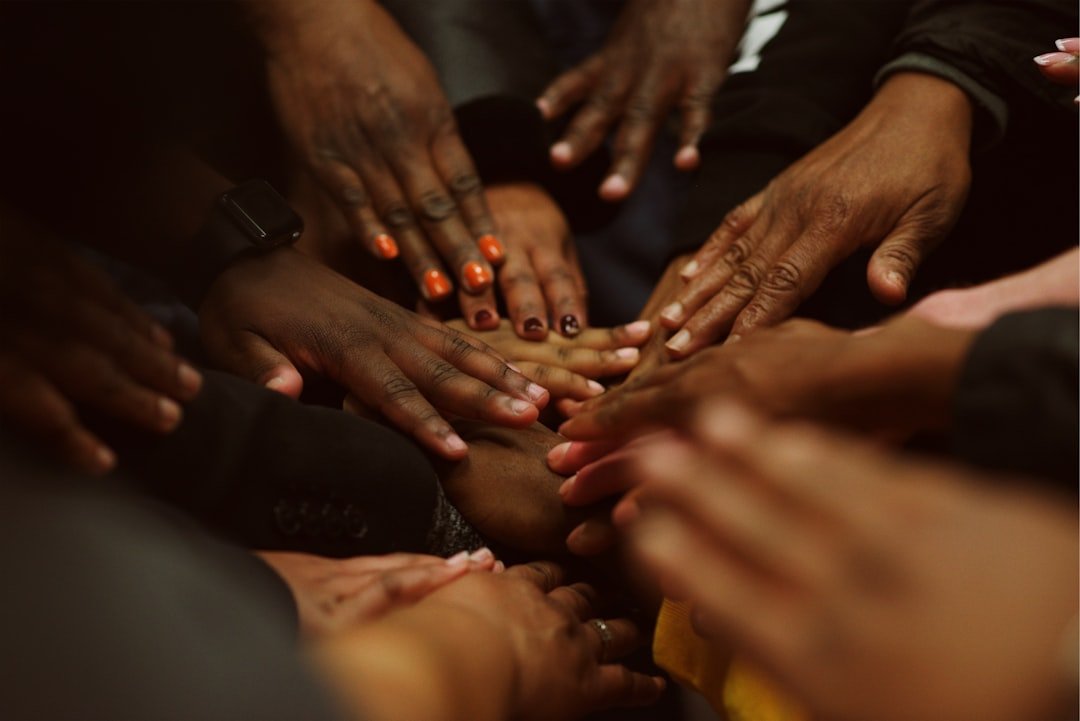
A majority of Native people in the United States live in urban areas rather than on reservations, and Las Vegas is no exception. There is a substantial Native population across this valley, from many different tribes and nations, alongside the Las Vegas Paiute Tribe whose land sits within and north of the city.
This is written carefully, because outside providers writing about Native communities frequently get it wrong. A few things up front.
What we are and are not claiming
We are a Las Vegas-based therapy practice. We are not a tribal health program, we do not speak for any tribe, and nothing here is meant to replace services that already exist.
The Indian Health Service and tribal health programs serve this area, and for eligible members those are often the right first contact — established, free, and embedded in the community.
What an outside provider can reasonably offer is additional capacity: another option when there is a wait, when a specific kind of therapy is not available, or when someone would prefer a clinician entirely outside their own community.
The specific position of urban Native families
Living in a city rather than on tribal land produces a set of experiences that rarely get discussed.
Distance from community. Ceremony, extended family, and the people who share your background may be hundreds of miles away. Maintaining that connection takes deliberate effort and money.
Being unrecognized. Urban Native people are frequently misidentified, assumed to be something else, or told they do not look Native — which is a small, repeated erosion.
Split obligations. Responsibility to relatives back home alongside a life built here, with the guilt that comes from not being in two places.
Services designed for someone else. Most systems in a city are not built with Native families in mind, and having to explain your context before you can address your actual problem is exhausting.
Young people between worlds, navigating a Clark County school while holding an identity that almost nobody around them shares.
How this should actually work in the room
What this should mean in a session rather than as a slogan:
Your therapist does not assume they understand your background. You should not have to educate someone before talking about your own life. Where context matters, it is asked about rather than assumed — and it is never assumed that one nation's practices describe another's.
Family and community are not treated as pathology. Obligations to extended family, collective decision-making, and responsibility to relatives are features of a value system, not symptoms.
Historical and intergenerational trauma is understood as real. The documented effects of boarding schools, of removal, and of generations of loss show up in families, and a clinician without a framework for that is not equipped.
Spiritual and traditional practices are respected. Therapy works alongside them and never asks you to set them aside.
You decide how much of this is part of the conversation. Plenty of people come in about a marriage, a job, or a teenager and nothing else.
What we are able to help with
Anxiety and depression. Trauma and PTSD, including complex and childhood trauma. Grief and bereavement, including grief for relatives who died far away at funerals you could not attend. Family and relationship difficulties. Child and adolescent mental health. Substance use. Life transitions and identity.
Our clinicians include people who work specifically with complex trauma, attachment, children and adolescents, minority youth, and culturally responsive care.
Getting seen, and what it costs
Nevada ranks last in the nation for mental health care access, so waits are a general problem here rather than one specific to any community.
We are in network with most major insurance plans. We do not accept Medicaid plans. Nevada Medicaid does cover behavioral health with no copay for most enrollees, and children under 21 on Medicaid have an unusually broad entitlement to medically necessary services through participating providers.
Self-pay is $150 with licensed clinicians, $125 with associate clinicians, and $25 to $60 with a graduate-level clinician.
If you receive care through IHS or a tribal health program, you can generally use both. Seeing an outside therapist does not affect your eligibility for anything.
Office or video
Our east valley office on E Russell Road, our northwest office on N Durango Drive, and secure video anywhere in Nevada — which matters if part of your family is in another part of the state.
Emergency numbers
988 is answered any hour by call or text, free, and it is not only for emergencies.
The Native and Strong Lifeline is reachable by calling 988 and pressing 4, staffed by Native counselors and available in participating areas. It is worth knowing about and worth asking for.
Supplementing what exists
If what you are already using works, keep using it. If there is a wait, if you want something specific that is not available, or if you would rather talk with someone who has no connection to anyone you know — that is a legitimate reason to look outside.
Book an appointment if that is what you are looking for.