
Working Other People's Best Days: Burnout in the Vegas Wedding Industry
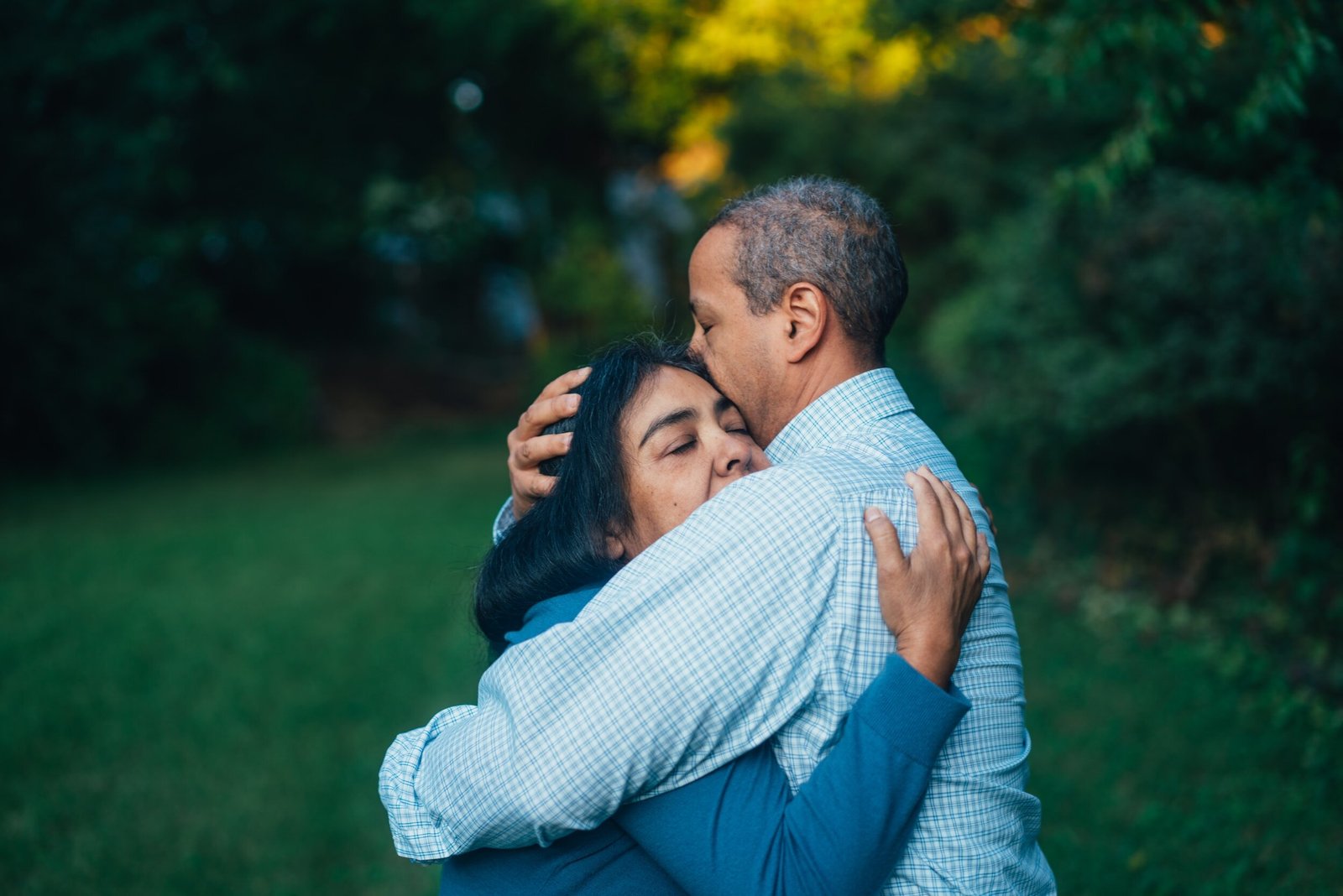
Clark County issues more marriage licenses than almost any county in the country. Somewhere between eighty and a hundred thousand couples marry here every year, and every one of those ceremonies has a person standing off to the side making it happen — an officiant, a chapel coordinator, a photographer, a florist, a limo driver, a witness who does this eleven times a day.
If that person is you, you know something most people do not: proximity to joy is not the same as having any.
The specific strain of a job made of other people's milestones
Wedding work looks like the happiest job in Las Vegas. In practice it has a distinctive combination of pressures.
Every event is somebody's once. You have done four hundred ceremonies this year. This is their only one, ever, and they will remember whether the flowers were right. There is no margin for an ordinary day at work.
You are handed enormous emotion with no relationship. A bride is crying about her mother who died last spring. A couple is eloping because their families disapprove. Someone's father is drunk and things are about to go badly. You have known these people for nineteen minutes and you are responsible for how the next hour goes.
The season never lets up here. Valentine's Day, 7/7/27-style date rushes, New Year's Eve, holiday weekends, and a steady Saturday grind. The Las Vegas wedding business does not have a real off-season, which means the recovery period other event industries get simply does not arrive.
Weekends and holidays are permanently spoken for. You work every date your own family wants to celebrate. Over years, that quietly costs you your own milestones.
Compassion fatigue does not only happen to nurses
The term comes from healthcare, but it describes anyone repeatedly exposed to other people's intense emotional states. The signature is not sadness — it is flatness. Specifically:
- Ceremonies stop moving you at all, and you feel guilty about that
- Cynicism about marriage generally, including about your own relationship
- Irritation at clients for having normal client feelings
- Going through a ceremony on autopilot and not remembering it afterward
- Physical exhaustion that a day off does not resolve
- Dreading Saturday in a job you chose because you liked weddings
Flatness is protective. It is your system reducing the volume because the volume has been high for too long. It is also the stage at which most people can still recover quickly.
The parts nobody prepares you for
Weddings surface family violence. Anyone who has worked chapels long enough has seen a father who should not be there, a controlling partner, a bride who looks frightened. You cannot intervene in most of it and you take it home.
You witness grief in the middle of celebration. The empty chair. The photograph of a parent pinned inside a bouquet. Couples marrying quickly before a deployment or a diagnosis. That is real grief passing through your hands weekly.
Your own relationship gets audited. Officiants and coordinators frequently report a strange erosion: after saying the same vows a thousand times, the words stop meaning anything, including in their own marriage. That is a normal consequence of repetition, not evidence that your relationship is failing.
What actually helps in this line of work
Build a boundary between the ceremony and you. Not emotional distance from clients — a ritual that marks the end. Some officiants take thirty seconds after each ceremony to physically step outside. Coordinators use the drive between venues. The point is a deliberate line, repeated, so events stop stacking.
Debrief the heavy ones out loud. The wedding where the father collapsed, the couple who fought in the parking lot. Left unspoken, these become a low background hum. A weekly conversation with a colleague or a therapist clears them.
Protect a small number of your own dates. One anniversary, one birthday, one holiday morning, defended a year in advance and not sold. People in this industry lose their own calendar by default; getting a piece of it back has an outsized effect.
Watch the cynicism. Cynicism about love is the occupational disease of the wedding industry. If you notice it leaking into how you speak about your own partner, that is worth addressing directly. It is treatable and it is not a sign that you have simply learned the truth about marriage.
Take the financial cycle seriously. Independent officiants, photographers, and planners ride a feast-and-famine pattern that produces genuine anxiety in slow months. Planning for the trough rather than pretending it will not come removes most of that.
When it stops being burnout and becomes something else
If the flatness has spread — if you have stopped enjoying anything, not just weddings, if you are sleeping badly for weeks, if you have started drinking to get through Saturdays, or if you feel trapped in the business with no exit — that is depression sitting on top of occupational exhaustion, and it responds much better to treatment than to a vacation.
Care that fits a Saturday-heavy schedule
Wedding professionals work exactly when therapists are closed and are free exactly when therapists are booked. What works:
- Weekday morning sessions, typically your quietest window
- Telehealth throughout Nevada, useful when your week is spread across the valley from Boulder City to the northwest
- Off-season intensives, doing focused work in your slowest months
- In-network coverage with most major plans, and reduced-rate sessions with our associate clinicians for independent contractors paying out of pocket
- Couples work, if the industry has quietly worn on your own relationship — which is common and fixable
You are allowed to need what you provide
You spend your working life making sure other people's biggest days go well. It is genuinely good work. It is also work that puts you in the path of a great deal of feeling that is not yours to keep.
If the weddings have gone gray on you, book a session. We will start with getting your own calendar back.