

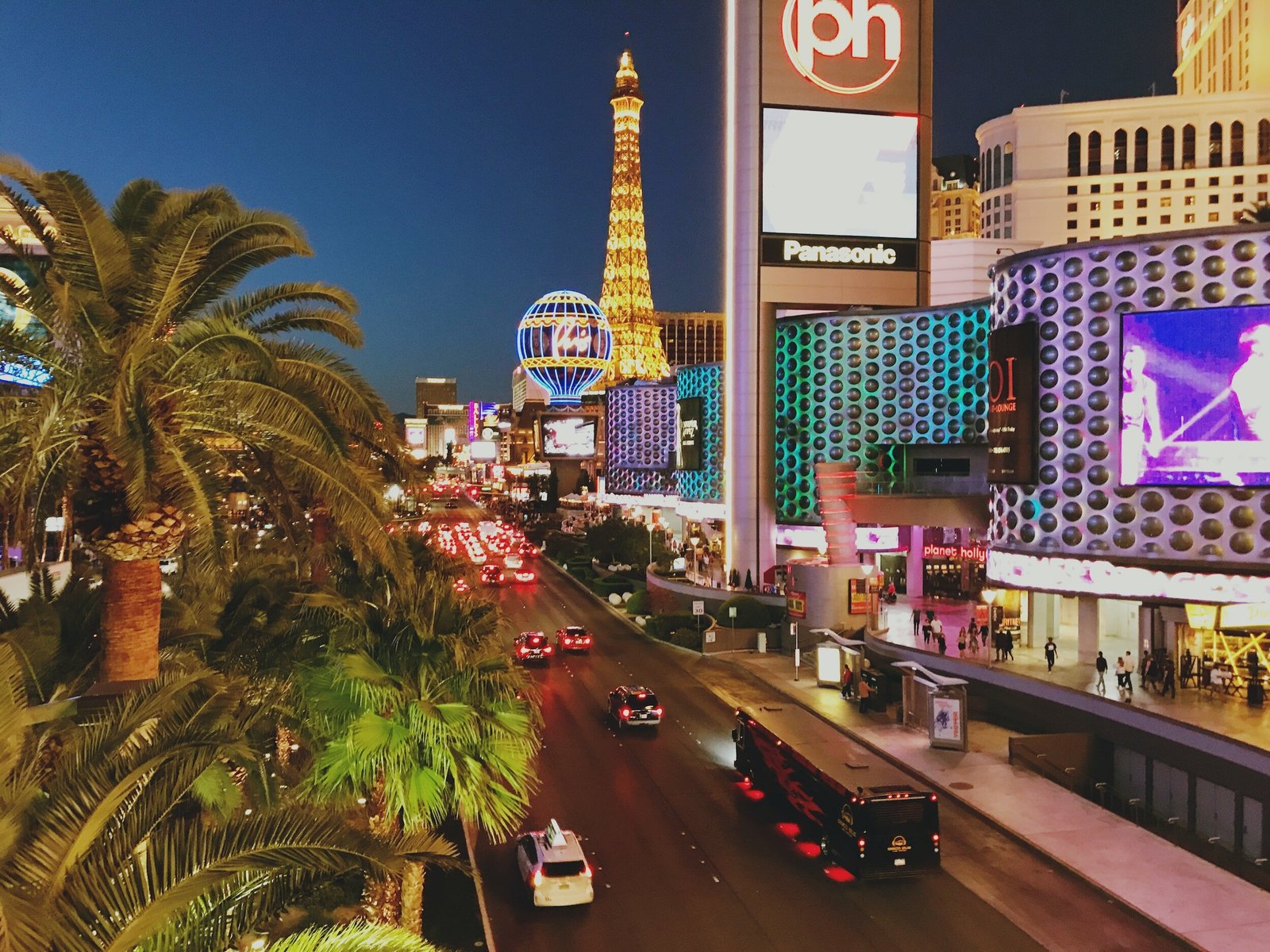
Laughlin is a resort town on the Colorado River, ninety miles south of Las Vegas, with an economy built almost entirely on the properties along the water and a workforce split between the Nevada side and Bullhead City across the bridge.
It has the operating pattern of a casino city and the isolation of a small town, which is an unusual combination and a demanding one.
Shift work in a round-the-clock town
Casino operations never close, so a large share of the workforce is on swings or graveyards, often rotating.
The consequences are well documented: shorter and lighter sleep, elevated rates of depression and anxiety, gastrointestinal trouble, and impaired stress recovery. In practical terms it feels like being mildly unwell on a schedule, and being told you should be used to it by now.
The social cost is frequently larger than the sleep cost. You are asleep when your family is awake, you miss the ordinary weeknights, and within a few years your social world narrows to the people on your shift.
The triage list that actually helps
1. Make the bedroom genuinely dark and cold. Blackout curtains plus a mask. In a river-valley summer this is the highest-return change available.
2. Protect the first four hours of sleep absolutely. Fragmented sleep damages mood more than short sleep does.
3. Anchor the sleep window on days off rather than flipping completely and re-adapting twice a week.
4. Use light on purpose. Bright light early in the shift; sunglasses on the drive home at sunrise.
5. One scheduled social commitment per week, defended. Loneliness on shifts is fixed by structure, not willingness.
6. Watch the caffeine tail and the alcohol landing. Nothing after the halfway point of a shift, and honesty about drinks used to fall asleep in the morning.
The heat is a real variable
The Laughlin–Bullhead corridor records some of the highest summer temperatures in the country.
Sustained heat exposure has documented psychological effects that most people attribute to personality: increased irritability, disrupted sleep, and reduced concentration. There is also a summer-pattern seasonal depression, driven by months of being effectively housebound, which runs opposite to the northern winter version.
If you feel worse every July and better every October, that is a recognized pattern rather than something you are imagining, and it is treatable.
Isolation with a resort attached
Ninety miles from Las Vegas means the town is not a suburb of anything. That produces a specific experience for the people who live there year-round.
A small permanent community with a large transient population. Visitors constantly, durable local relationships harder to build.
Limited alternatives. In a city, a bad job ends with a resignation. Here, changing employers may mean crossing the river or moving.
Everyone in the industry knows everyone. A workplace conflict follows you.
An older year-round population than the visitor profile suggests, with the isolation issues that come with that.
Alcohol and gambling, asked without a lecture
Both are continuously available to staff as well as guests, and both go unexamined because they are ordinary here.
On drinking, the useful questions are not about quantity: do you drink to come down rather than to enjoy something? Has the amount crept up over a couple of years? Have you promised yourself a break and not taken it?
On gambling, the tell is rarely the amount. It is chasing losses, secrecy, and betting money that has a job. Nevada's problem gambling helpline is 1-800-522-4700, free and confidential, any hour, and the state funds treatment that is low or no cost for eligible residents.
Neither makes you unusual. They are what this environment produces, and both respond well to being examined with someone outside it.
The state line matters for telehealth
A specific and important detail here.
A therapist must be licensed in the state where you are physically located during a session. Our clinicians are licensed in Nevada, which covers you anywhere in Nevada, including Laughlin.
If you live in Bullhead City and work in Laughlin — which describes a large share of this workforce — sessions taken from the Arizona side are a different legal situation. Mention it at booking so we can be straight with you rather than have it surface later.
Scheduling around a roster
Early-evening appointments before a shift, and secure video from home, a break room, or a parked car.
If your roster changes monthly, say so at booking. Booking several sessions at once when the schedule drops works better than a fixed weekly slot you will have to cancel — and it is worth asking how we handle cancellations caused by mandatory overtime before you start.
What this costs a household
We are in network with most major insurance plans, and casino employer plans generally include behavioral health — for most workers this runs through coverage you already have and have never used.
Many properties also provide an Employee Assistance Program with several free sessions and fast access. Most employees never use it.
Nevada Medicaid covers behavioral health with no copay for most enrollees. Self-pay is $150 with licensed clinicians, $125 with associate clinicians, and $25 to $60 with a graduate-level clinician.
Distance was the obstacle all along
Ninety miles each way for a fifty-minute appointment was never realistic weekly. That is no longer what getting help requires.
A note on Medicaid: We do not accept Medicaid plans. If you are covered by Nevada Medicaid, behavioral health is a covered benefit and you would need a Medicaid-participating provider; dialing 211 can help you find one.
Book a session, or call 988 any hour if tonight is hard.