
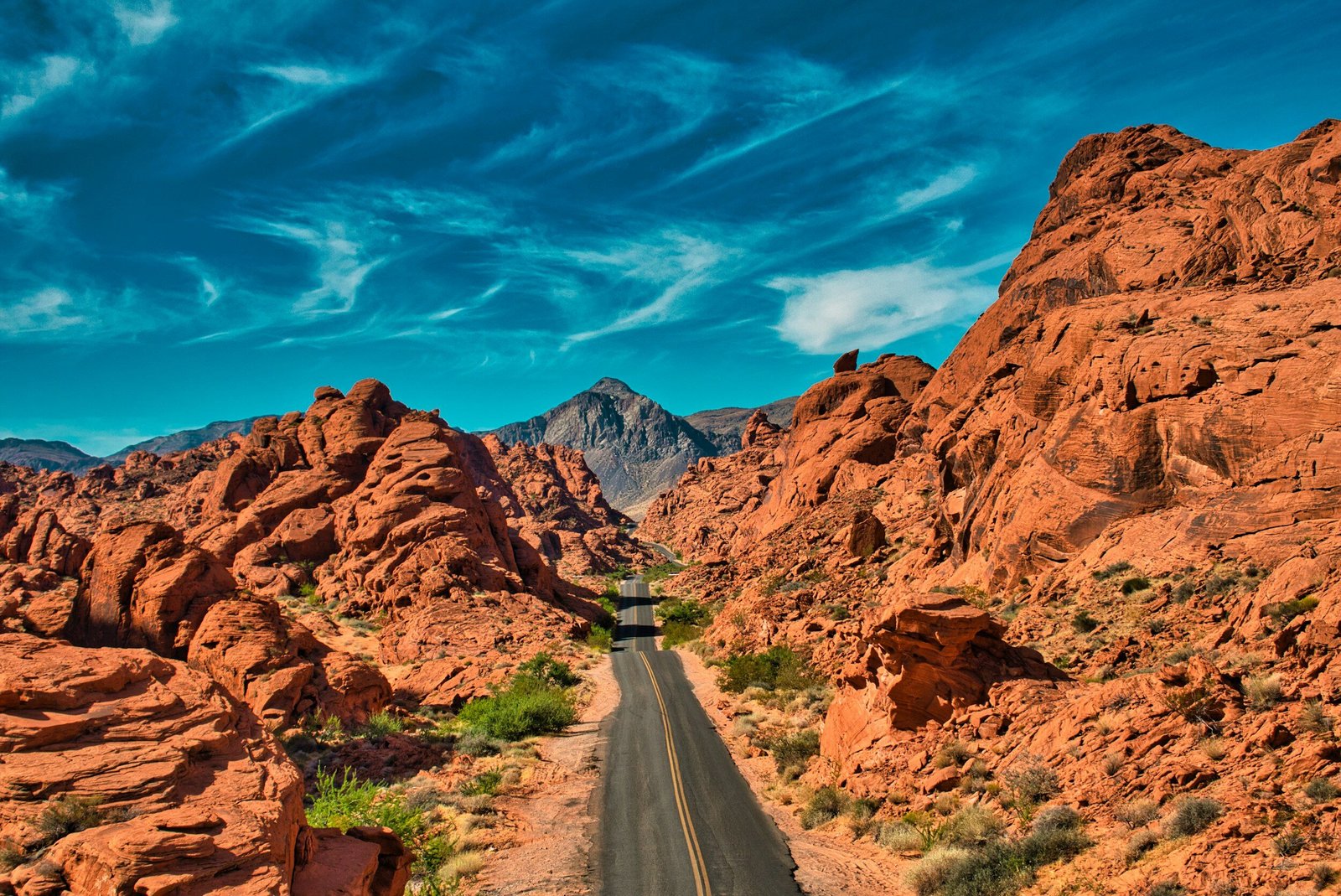
McDermitt sits on the Oregon line at the top of Humboldt County, more than an hour from Winnemucca and a long way from anything larger. It is one of the more remote populated places in a state full of them.
For communities like this, most discussion of healthcare access is abstract. So this is deliberately concrete about what is actually possible.
What telehealth can and cannot do
It can provide ongoing weekly or fortnightly therapy for anxiety, depression, trauma, grief, relationship difficulties, and substance use, with a licensed clinician, without anyone driving anywhere.
It can provide structured, evidence-based treatments — the same ones offered in a city — including trauma-focused work and behavioral treatment for insomnia.
It cannot replace emergency care. In an acute crisis, 988 is answered any hour by call or text and can direct you to what is actually available in your area. For immediate danger, 911.
It cannot prescribe medication; that requires a physician, psychiatric provider, or nurse practitioner, and we coordinate with prescribers rather than replacing them.
It depends on connectivity, which in this part of Nevada is a genuine constraint rather than a footnote. If video is unreliable, sessions can run by audio, and audio sessions work.
The specific weight of remoteness
Living somewhere this isolated has real benefits — space, quiet, a community where people show up for each other without being asked.
It also produces conditions that are hard on mental health, and naming them is not an insult to the place:
Winter narrows everything. Weather, road conditions, and short days reduce contact for months.
Everyone knows everything. Which is protective when you are struggling and exhausting when you would rather not be discussed.
Distance compounds every problem. A medical appointment, a court date, a school meeting — each one is a day.
There is nowhere to go to be anonymous, which is precisely what many people want when they are not doing well.
The rural risk factors, plainly
Suicide rates run consistently higher in rural areas than urban ones, and Nevada's overall rate has long exceeded the national average. The contributing factors are well documented: isolation, distance from care, economic pressure, a strong self-reliance culture, and higher household firearm prevalence.
That last factor is practical rather than political. During a period when someone is struggling, temporarily storing firearms with a trusted person or under a locked arrangement is one of the most effective protective measures that exists. It is reversible and sensible, and a great many rural families do it quietly.
For Native residents in this area
Tribal health services operate in this region, and for eligible members those are often the appropriate first contact — they are established, free, and locally embedded.
An outside telehealth provider is an addition rather than a replacement: another option when there is a wait, when a particular kind of therapy is not available locally, or when someone would prefer a clinician with no connection to anyone they know.
Our clinicians work with complex trauma, grief, and culturally responsive care, and a session should never require you to educate someone before you can talk about your own life. Historical and intergenerational trauma is real, documented, and something a competent clinician has a framework for.
The Native and Strong Lifeline is reachable by calling 988 and pressing 4, staffed by Native counselors in participating areas.
Where we can help
Anxiety, depression, trauma and PTSD, grief and bereavement, relationship and family difficulties, adolescent mental health, substance use, chronic illness, and caregiver strain.
Our team includes clinicians experienced in trauma and PTSD, substance use, chronic illness including HIV, grief, and culturally responsive care, working with adults, adolescents, children from age three, couples, and families.
Fees, with no runaround
We are in network with most major insurance plans. We do not accept Medicaid plans.
Nevada Medicaid covers behavioral health with no copay for most enrollees, and eligibility is based mainly on income — no requirement to have children or a disability. Applications go through Access Nevada any time of year. A great many rural households qualify and assume they do not.
Self-pay is $150 with licensed clinicians, $125 with associate clinicians, and $25 to $60 with a graduate-level clinician, with a written estimate before you start.
The setup, practically
A phone, tablet, or computer. A private space — a bedroom, a truck, an outbuilding. Headphones, which matter for privacy more than for sound.
We will do a short setup call beforehand so nobody is troubleshooting at appointment time, and if the connection drops we continue by phone rather than losing the session.
Remote should not mean without
For a long time, living at the top of Humboldt County meant that ongoing mental health care was not realistically available. That has changed, and it is worth knowing if you gave up on the idea some years ago.
Book an appointment, or call or text 988 any hour if tonight is difficult.