

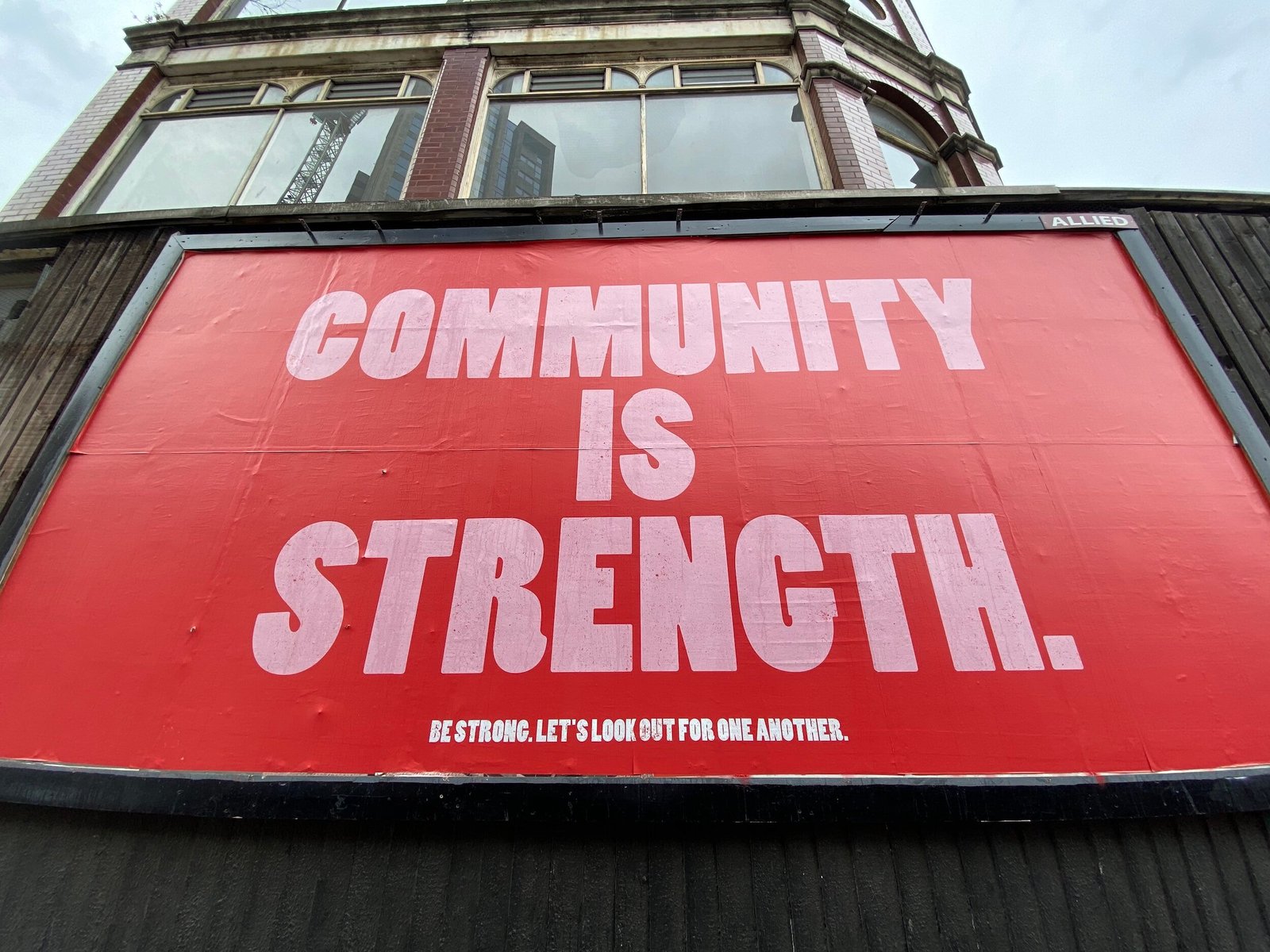
No one is meant to carry their hardest seasons alone, and yet so many people quietly do. If you've been wondering what mental health resources in Las Vegas actually exist beyond a vague "talk to someone," this guide is for you. Our city is big, fast, and easy to feel anonymous in, but it also holds far more community support than most people, especially newcomers, expect to find.
Think of support as a web rather than a single thread. Individual therapy is one strand. Support groups, trusted friends, primary care, faith communities, and crisis lines are others. The more strands you weave together, the better the whole thing holds when life gets heavy.
The Different Layers of Support
It helps to understand that mental-health resources come in tiers, and you can absolutely use more than one at the same time. Stacking them is a strength, not a sign that any single resource has failed you.
- Professional care. Licensed therapists and counselors provide structured, confidential support tailored to your specific situation.
- Peer support groups. These bring together people facing similar challenges, such as grief, anxiety, recovery, or parenting stress, so no one feels uniquely broken.
- Crisis resources. For urgent moments, the 988 Suicide & Crisis Lifeline (call or text 988) is available around the clock, every day of the year.
- Everyday community. Libraries, community centers, recreation programs, and neighborhood groups across the valley quietly support wellbeing in ways we tend to underestimate.
You don't have to choose just one of these. Many people pair weekly therapy with a monthly support group and a daily walk with a friend, and the combination works better than any piece alone.
What Support Groups Offer That Solo Effort Can't
There's a particular kind of relief in a room, or a video call, full of people who simply get it. Support groups offer something private reflection often can't: the lived, in-the-moment reminder that your struggle is human and shared rather than shameful and singular.
People who attend groups frequently describe a few common benefits:
- Reduced isolation. Hearing a genuine "me too" can loosen the grip of shame almost immediately.
- Practical wisdom. Members trade real-world strategies that have actually worked in their own lives.
- Accountability and hope. Watching others move forward, even a little, can make your own progress feel possible.
Groups aren't a replacement for therapy when deeper, individualized work is needed, but they're a powerful complement. A therapist can even help you figure out which kind of group might serve you best at a given moment.
Navigating Resources in a Sprawling Valley
Las Vegas covers a lot of ground, from the older neighborhoods near downtown to the newer communities stretching toward Red Rock and out past the 215. That spread can make resources feel scattered and hard to track down. A few tips make the search far less overwhelming:
- Decide whether you want in-person or virtual support; virtual options instantly remove the distance problem.
- Start with one trusted entry point, such as a primary care provider or a therapy practice, and let them help you connect the dots.
- Keep crisis numbers saved in your phone before you ever need them, so they're there in a moment when searching feels impossible.
If the sheer number of options feels paralyzing, that's a completely normal reaction. Reaching out to a single practice and asking "where do I even start?" is a legitimate, smart move, and most offices are glad to point you in the right direction.
Building Your Own Support Network
Formal resources matter, and so does the informal network you build over time. Cultivating community is its own quiet form of mental-health care, and it's available to everyone.
Small steps add up: texting a friend instead of canceling plans, joining a recurring activity, or letting one trusted person know you're going through something hard. In a city that often celebrates independence and hustle, choosing connection over isolation is quietly radical, and genuinely protective for your wellbeing.
When to Add Professional Help
Resources and groups are wonderful, and sometimes you need more focused, confidential, one-on-one care. Consider reaching out to a therapist if difficult feelings are persistent, if they're interfering with work or relationships, or if they're simply outlasting your own best efforts to manage them. None of that means you've done anything wrong; it means you deserve a higher level of support.
This article is educational and not a substitute for professional care. If you or someone you love is in crisis, please call or text 988 (Suicide & Crisis Lifeline) right away.
At Brighter Tomorrow Therapy, we're proud to be one strand in the larger web of support across the Las Vegas area, offering in-person and online sessions for those ready to talk things through. If you've been gathering resources and quietly wondering whether it's time to add professional care, we'd be glad to help you take that next step whenever you feel ready.