
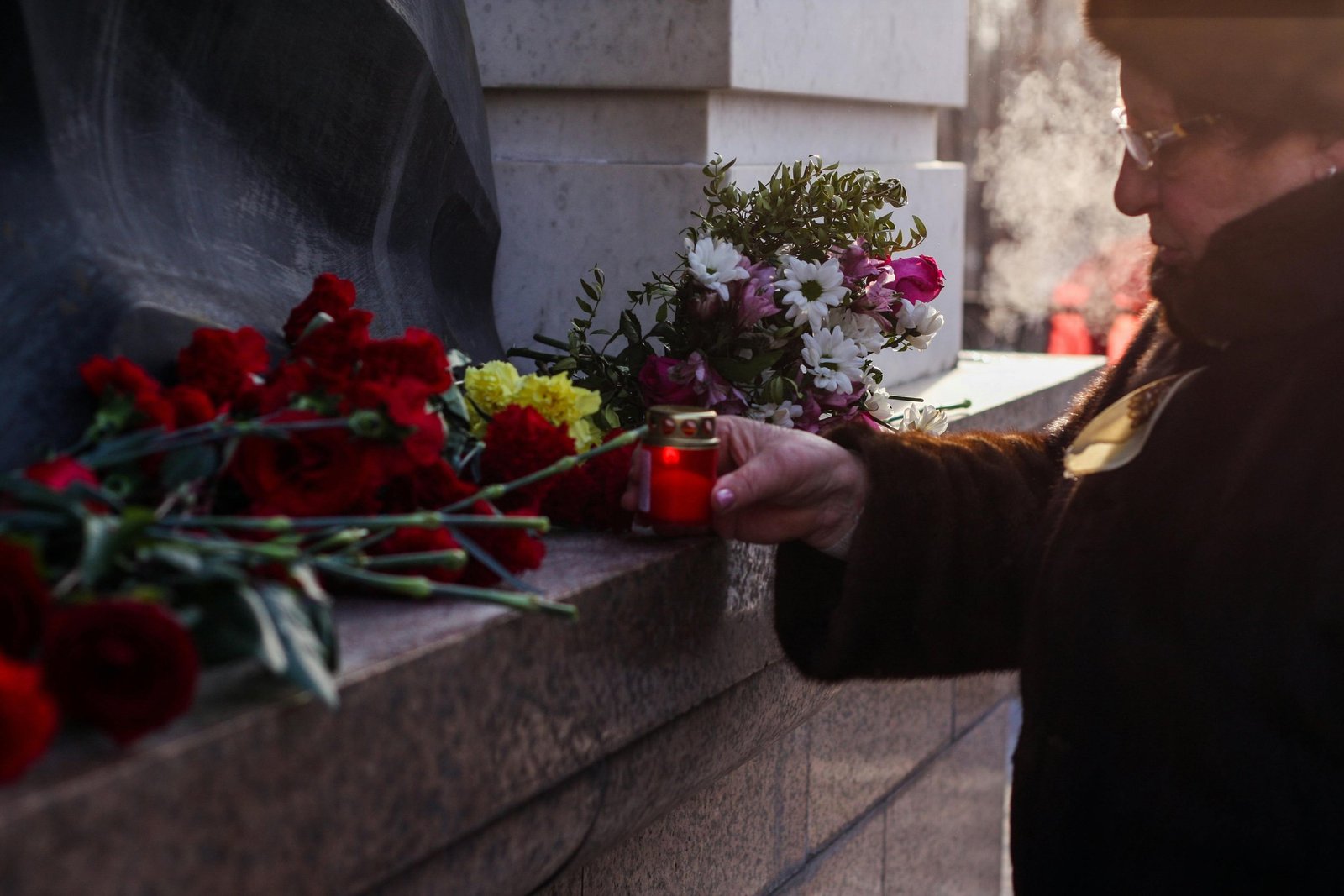
Every fall, this city moves through a date that means something different here than anywhere else. For some Las Vegas residents it passes quietly. For others, the last week of September arrives with a heaviness they cannot immediately explain — sleep gets worse, the news becomes unbearable, crowds feel wrong, and they find themselves irritable with people who have done nothing.
If that is you, you are experiencing something well documented and entirely expected. It has a name.
What an anniversary reaction is
Trauma is stored with context: sounds, seasons, light, dates. When the environment starts to resemble the original conditions, the body can begin responding before the mind has consciously registered why.
That is why anniversary reactions often arrive before the date, and why people frequently do not connect the two. You are simply having a bad two weeks. Then the date arrives and it clicks.
Common features:
- Sleep disturbance and nightmares returning after a long quiet period
- Increased startle response and difficulty in crowds
- Irritability, or a numbness that people around you read as distance
- Avoidance of the news, of specific parts of town, of music
- Grief that feels as sharp as it did early on
- Guilt — about surviving, about not being more affected, about being affected at all
This is not regression. Symptoms returning around an anniversary does not mean your progress was fake or that you are back where you started.
Who is affected is wider than people assume
There is a common belief that only those directly present are entitled to a reaction. That belief keeps a lot of people in this valley from getting help.
Affected populations reliably include people who were present; people who lost someone; first responders, dispatchers, hospital staff, and hotel employees who worked that period; people who searched for a loved one for hours; those who watched it unfold live while family were unreachable; and residents who simply live in a community that carries it. Children who were young then are now adolescents and adults, and some are only now processing what they absorbed.
There is no threshold you must clear to deserve support.
What helps in the weeks around it
Plan the day rather than letting it arrive. People do markedly better when they decide in advance how the day will go — work or not, alone or with others, a memorial or deliberately away from one. Unstructured days are the hardest.
Choose your exposure to coverage. Local media will cover the anniversary. You can decide how much of it you want. Turning it off is not disrespect.
Tell two people. Not the whole story — just that this is a hard stretch for you and you may be quieter. Being understood in advance prevents most of the friction that otherwise happens at home.
Do something with your hands. Physical activity, service, cooking, being outdoors. Anniversary distress responds better to doing than to sitting with it.
Give yourself the week after, too. The comedown after the date is frequently harder than the date. Do not schedule anything demanding for it.
Let ritual do its work. Attending a memorial, visiting a place that matters, lighting a candle at home, or refusing all of it. There is no correct form. Rituals help because they give a shapeless feeling a container and an ending.
When to get professional help
Reach out if any of the following are true:
- Symptoms are lasting well beyond the anniversary window rather than easing
- You are drinking or using more to manage the period
- You are avoiding an increasing number of places and activities
- Nightmares or intrusive memories have become nightly
- You feel disconnected from your own life or body
- You are having thoughts of not wanting to be here
The last one deserves immediate attention. 988 is answered at any hour by call or text, and press 2 for Spanish.
Treatment for this is genuinely effective
This is important, because a lot of people assume trauma is something you carry forever and manage.
Trauma-focused treatments — EMDR, cognitive processing therapy, prolonged exposure — have strong evidence and are typically time-limited. They do not require you to narrate every detail repeatedly. They work by changing how the memory is stored and how your body responds to reminders of it. Many people see meaningful change within a few months, including people whose event was years ago.
Years having passed is not a reason to skip treatment. Untreated post-traumatic stress does not reliably fade with time; it often just becomes familiar.
Talking to children about the anniversary
Children and teens who were young at the time may show it as irritability, clinginess, school refusal, stomachaches, or sudden anxiety about you leaving the house. They may also have absorbed the community's grief without any personal memory of it.
Keep answers age-appropriate and honest, keep routines steady, limit their exposure to coverage, and answer their questions without volunteering more detail than they asked for. If it is disrupting school or sleep for more than a few weeks, a therapist who works with children can help quickly.
This community knows something about carrying things together
The response here in the days after was extraordinary — lines around the block to give blood, strangers driving people to hospitals, a city that showed up. That is worth remembering, because it is also part of what the date holds.
Carrying it alone is the part that does not have to continue. Brighter Tomorrow Therapy provides trauma-focused care in person at our east valley and northwest offices and by secure video throughout Nevada. If the season ahead is heavy, schedule a session before it starts rather than after.