

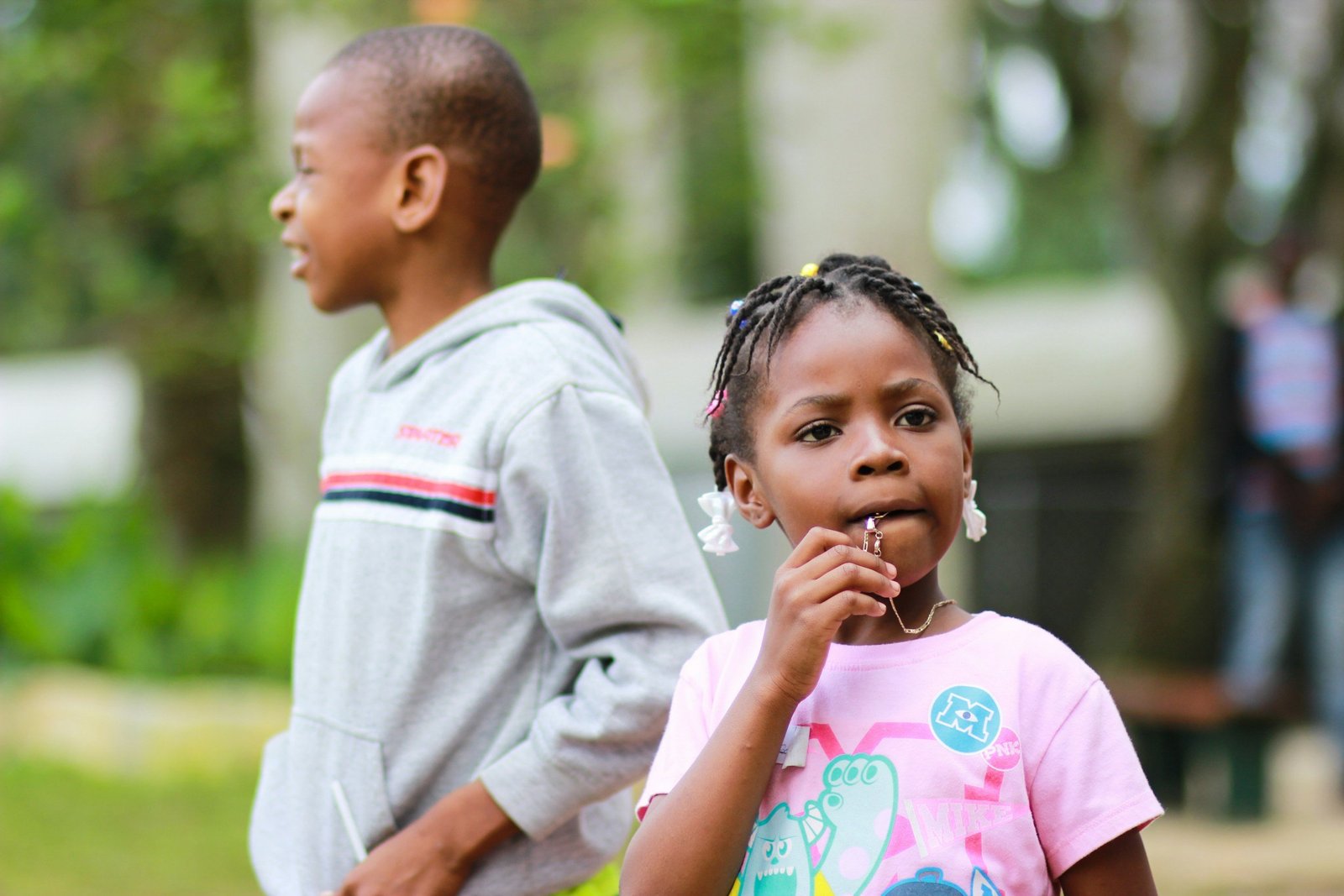
There's a classic way to imagine how a new sibling feels to a firstborn: picture your spouse coming home and announcing, "I love you so much I've decided to get another one just like you. You'll share your room, your stuff, and my attention — and you're going to love them!" It's a joke, but it captures something true. For a young child, a new sibling is wonderful and destabilizing, often in the same hour.
The good news: children are remarkably adaptable, and how parents handle the transition matters more than the transition itself. With some preparation and a lot of reassurance, most kids move from wary to attached — even if the road includes a few tantrums and a suspicious amount of baby-talk from your formerly big kid.
Sharing the News
There's no single right moment, but a few guidelines help:
- Younger children, later news. Toddlers have little sense of time; announcing a sibling seven months out is like announcing a birthday party next year. Many families wait until the pregnancy is visible and the questions start.
- Make sure they hear it from you. Older kids should learn it from parents, not from overheard conversations or relatives.
- Keep it simple and positive, and leave room for any reaction. Excitement, indifference, and "can we send it back?" are all normal. Don't require enthusiasm.
Frame it around their new role rather than the baby's arrival: "You're going to be the big sister." Identity is a powerful motivator for small people.
Preparing During the Pregnancy
- Let them touch the reality. Feeling kicks, seeing ultrasound photos, helping set up the crib, and picking out an outfit all turn an abstraction into a person.
- Tell them their own baby story. Kids love hearing about when they were the baby — how tiny they were, how you rocked them. It reassures them that babies grow into big kids and that being the baby isn't the only way to be loved.
- Set honest expectations. New babies mostly sleep, cry, and eat. A child expecting a playmate on day one is headed for disappointment; a child expecting a boring little potato who will get fun later is pleasantly surprised.
- Schedule big changes away from the birth. Moves to a big-kid bed, potty training, or starting preschool should happen well before the baby comes or comfortably after — not the same week, or the child links the loss to the baby.
The First Meeting and Early Weeks
Small staging choices help the first meeting go well. If possible, let your child come to you when your arms are free rather than occupied by the baby. Many families have the baby "bring" a gift for the big sibling. Let your child look, touch gently with help, and leave when they're bored — a five-minute visit that ends well beats a long one that ends in tears.
In the weeks after, two practices carry most of the weight:
- One-on-one time, protected. Even ten or fifteen minutes a day of undivided attention — no baby, no phone — tells your firstborn they haven't been replaced. Name it so it counts: "This is our special time."
- Give them a real job. Fetching diapers, picking the baby's socks, singing to a fussy baby. Helpers feel important; bystanders feel displaced.
It also helps to narrate the baby's needs neutrally — "the baby is hungry" — rather than "I can't, I'm feeding the baby," which quickly makes the baby the reason for every no.
Expect Regression (Really)
A potty-trained child has accidents. A confident sleeper wants your bed. A big kid demands a bottle. This is one of the most common and most alarming parts of welcoming a sibling, and it's almost always temporary. Regression is a young child's way of asking, "Is being little still safe here? Would you still take care of me?"
The answer that works is calm accommodation without ridicule: babying them a little on request, playing baby games, and cheerfully trusting the big-kid skills to return — because they nearly always do. Shaming ("you're not a baby!") tends to deepen the need. What a regressing child needs most is evidence that your love didn't shrink.
Jealousy, too, deserves room. "Sometimes it's hard sharing Mommy" is more useful than insisting they adore the baby. Feelings that are allowed tend to pass; feelings that are forbidden go underground and come out sideways — occasionally as a too-rough hug aimed at the baby, which is why supervision stays close early on.
When to Seek Extra Support
Most sibling adjustment resolves within a few months. Consider talking with a child therapist if aggression toward the baby persists, regression deepens rather than fades, or your older child seems persistently sad, withdrawn, or anxious rather than just occasionally jealous. And parents adjusting to two-or-more kids — often on no sleep — deserve support of their own.
How Brighter Tomorrow Can Help
Growing a family is joyful and disorienting, sometimes both before breakfast. Brighter Tomorrow Counseling Services supports children, parents, and families across Las Vegas through big transitions like a new sibling — in person or via telehealth anywhere in Nevada. Get scheduled today