

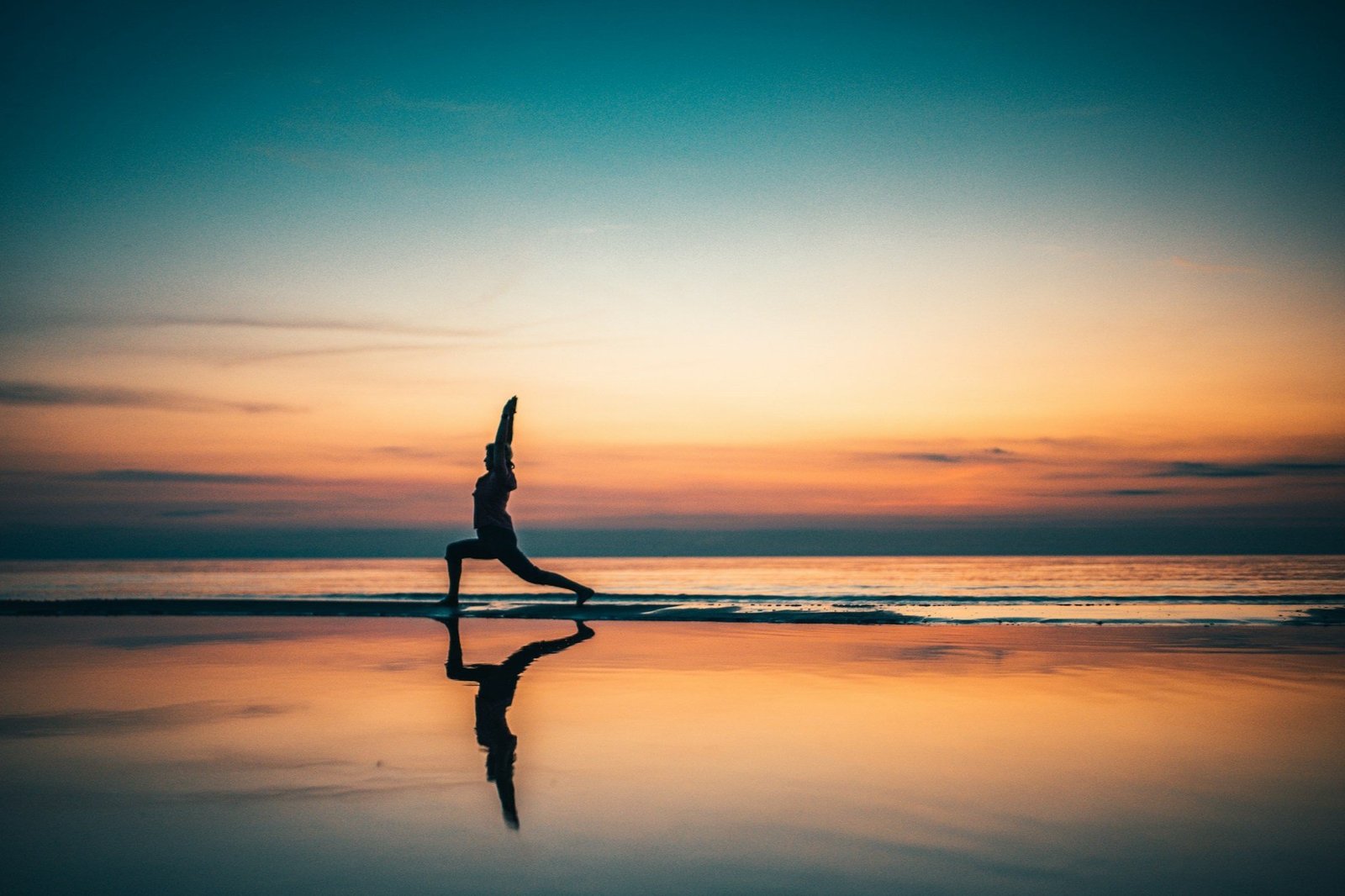
Stress doesn't just live in your thoughts — it takes up residence in your body. Clenched jaws, hunched shoulders, tight lower backs, hands gripping steering wheels a little too hard on the 95. Many of us carry this tension so constantly that we've stopped noticing it. Progressive muscle relaxation (PMR) is a classic, well-studied technique designed to fix exactly that: it teaches your body the difference between tense and relaxed, one muscle group at a time.
What PMR Is and Why It Works
Progressive muscle relaxation was developed by physician Edmund Jacobson nearly a century ago, on a simple insight: an anxious mind lives in a tense body, and it's very hard to keep one relaxed while the other stays braced. PMR works by deliberately tensing a muscle group for a few seconds, then releasing it — and paying close attention to the contrast.
That contrast is the secret ingredient. Chronic tension becomes invisible; your brain files it under "normal." By exaggerating the tension and then letting go, you re-teach your nervous system what release actually feels like — and how to produce it on demand. Research consistently supports muscle relaxation training as a helpful tool for stress, anxiety symptoms, tension-related discomfort, and trouble falling asleep.
Before You Start
- Pick a quiet spot where you won't be interrupted for ten to fifteen minutes. A recliner, couch, or bed all work.
- Loosen tight clothing, take off your shoes, and let your arms rest at your sides.
- Tense each muscle group at about 70 percent effort — firm, never painful. If any area is injured or painful, skip the tensing there and simply focus attention on it instead.
- Breathe normally throughout; a good rhythm is to tense on an inhale-hold and release with a slow exhale.
The Step-by-Step Sequence
Hold each tension for about five seconds, then release for fifteen to twenty seconds, noticing the warmth and heaviness that follows. Move through your body in order:
- Hands. Clench both fists tightly. Release, letting your fingers fall open.
- Forearms and biceps. Bend your elbows and flex your arms like a bodybuilder. Release, letting your arms drop heavy.
- Shoulders. Shrug them up toward your ears. Release, letting them melt downward.
- Forehead. Raise your eyebrows as high as they'll go. Release.
- Eyes and cheeks. Squeeze your eyes shut and scrunch your face. Release, letting your face go smooth.
- Jaw. Gently clench your teeth and press your tongue to the roof of your mouth. Release, letting your lips part slightly. (Many people are shocked at how much they carry here.)
- Neck. Carefully press your head back against the chair or bed. Release.
- Chest and back. Take a deep breath, hold it, and gently arch your upper back. Exhale and release.
- Stomach. Tighten your abdominal muscles as if bracing. Release, letting your belly soften.
- Hips and glutes. Squeeze. Release.
- Thighs. Press your knees together or straighten your legs firmly. Release.
- Calves. Point your toes away from you. Release. (Go gently — calves love to cramp.)
- Feet. Curl your toes downward. Release.
Finish with a slow scan from head to toe. If any area still feels tight, repeat its tense-and-release cycle once more. Then take three slow breaths and open your eyes.
Making It Stick
- Practice daily for two weeks before judging results. PMR is a trainable skill; the relaxation response gets faster and deeper with repetition.
- Use it preventively, not just in crisis — before bed, after work, or ahead of stressful events.
- Graduate to the short version. With practice, you can learn to release whole regions (face, shoulders, hands) in seconds without tensing first — a stealth skill for meetings, traffic, and waiting rooms.
- Pair it with a cue. Practicing at the same time and place daily builds the habit fastest.
When Tension Is a Messenger
PMR is wonderfully effective at treating the symptom of a keyed-up body. But if you find yourself needing it constantly — if worry, irritability, poor sleep, or a sense of being permanently braced keeps returning — your tension may be a messenger rather than the whole problem. Chronic stress and anxiety are highly treatable, and a professional evaluation can uncover what's keeping your alarm system stuck on. Techniques like PMR then become part of a larger plan instead of a nightly rescue mission.
How Brighter Tomorrow Can Help
If your body has forgotten how to relax, our therapists in Las Vegas can help — teaching skills like PMR while addressing the stress and anxiety underneath. We offer in-person sessions and telehealth across Nevada, whatever fits your life. Get scheduled today