
Schurz sits along US-95 in Mineral County, a small community in a wide valley, well over an hour from Reno and a long way from most services.
This is written carefully, because outside providers writing about tribal communities frequently get it wrong. So, plainly, up front.
What this article is for
We are a Las Vegas-based practice offering telehealth throughout Nevada. We are not a tribal health program, we do not speak for any tribe or community, and nothing here replaces services that already exist.
The Indian Health Service and tribal health programs serve this area, and for eligible members those are often the right first contact.
What an outside provider can reasonably offer is additional capacity — another option when there is a wait, when a particular kind of support is not available locally, or when someone would prefer a clinician unconnected to anyone they know.
Grief in a small community
Two things make bereavement different in a place this size, and both cut in more than one direction.
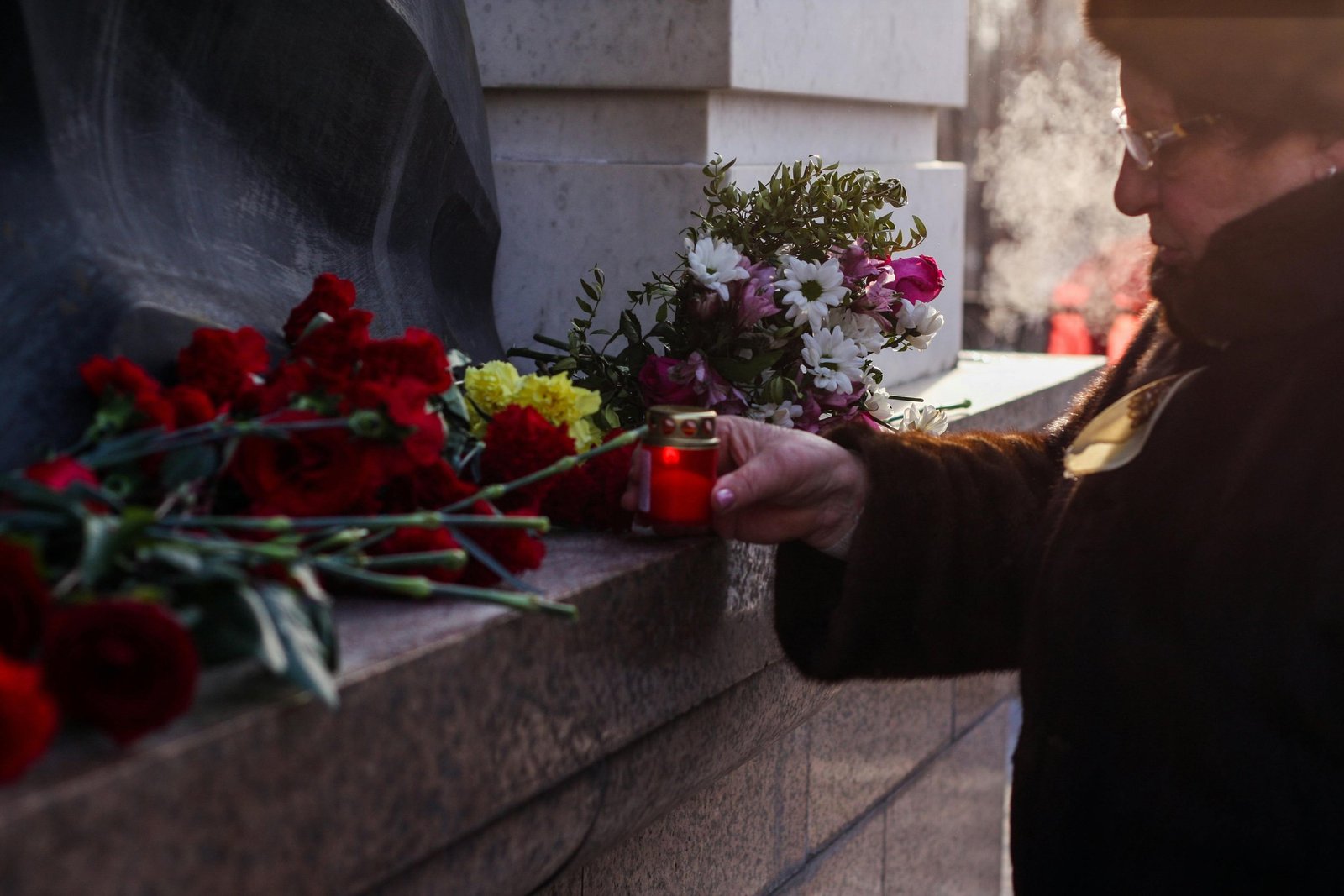
Everyone shows up. The community response to a death in a small town is genuinely remarkable — people arrive, food appears, practical things get handled without anyone asking.
And then everyone keeps knowing. Which is warm for a fortnight and eventually exhausting. You cannot go anywhere without managing someone else's sympathy, and many bereaved people in small communities end up performing a recovery they do not feel.
There is also the harder version: when losses accumulate. In a small community, you attend all of the funerals because you knew everyone, and repeated loss with a shrinking circle of people to share it with is its own specific burden.
What mourning actually involves
The five-stages model most people know was never meant as a description of ordinary bereavement, and grief does not proceed in order. Expecting it to leaves people convinced they are doing it wrong.
What happens is closer to waves — long stretches of functioning interrupted without warning by something enormous.
Normal, even when alarming:
- Cognitive fog: losing words, forgetting things, reading a page four times
- Physical symptoms — exhaustion, chest tightness, appetite change, a genuinely aching body
- Brief sensory experiences of the person
- Anger — at doctors, at family, at the person for dying
- Relief after a long illness, followed by guilt about the relief
- Grief about a difficult relationship, which is often the hardest kind
Detachment is not the aim
Modern grief theory has moved away from the idea that healthy mourning ends in detachment.
The better-supported framework is continuing bonds: most people do best not by severing the relationship but by transforming it into one that continues. That aligns closely with how many communities have always understood the relationship between the living and those who came before, and a therapist should never treat that as something to correct.
When to treat grief clinically
Most grief needs time, people, and permission rather than treatment. Seek support when:
- A long time has passed and the intensity has not shifted at all
- You cannot speak their name or move anything of theirs
- You have withdrawn from nearly everyone
- You are drinking more to get through evenings
- Your own life feels suspended
- You have thought about dying in order to be with them
That last warrants immediate support. 988 is answered any hour by call or text, and the Native and Strong Lifeline is reachable by calling 988 and pressing 4, staffed by Native counselors in participating areas.
Practical respect in the therapy room
Your therapist does not assume they understand your community. You should not have to educate someone before you can talk about a loss.
Traditional practices around death and mourning are respected. Therapy works alongside them and never asks you to set them aside.
Historical and intergenerational loss is understood as real, and a clinician without a framework for that is not equipped for this work.
You decide how much of any of this is part of the conversation.
How to access this, and the price
Distance has been the practical barrier here — well over an hour to Reno, and grief support groups are concentrated in the cities.
Video removes it. Sessions work from home, and if connectivity is unreliable they continue by audio.
We are in network with most major insurance plans. We do not accept Medicaid plans. Nevada Medicaid does cover behavioral health with no copay for most enrollees through participating providers. Self-pay is $150 with licensed clinicians, $125 with associate clinicians, and $25 to $60 with a graduate-level clinician.
If you receive care through IHS or a tribal health program, you can use both. Seeing an outside therapist does not affect your eligibility for anything.
When nobody in the house is talking
A common pattern anywhere: everyone in a household protecting everyone else, and nobody saying anything for years.
Family sessions are frequently what unlocks it. We work with individuals, couples, and families, including children from age three.
A second option, not a replacement
If what you are already using works, keep using it. If there is a wait, or you want something specific, or you would rather talk with someone unconnected to anyone you know — that is a legitimate reason to look outside.
Book a session when you are ready.