

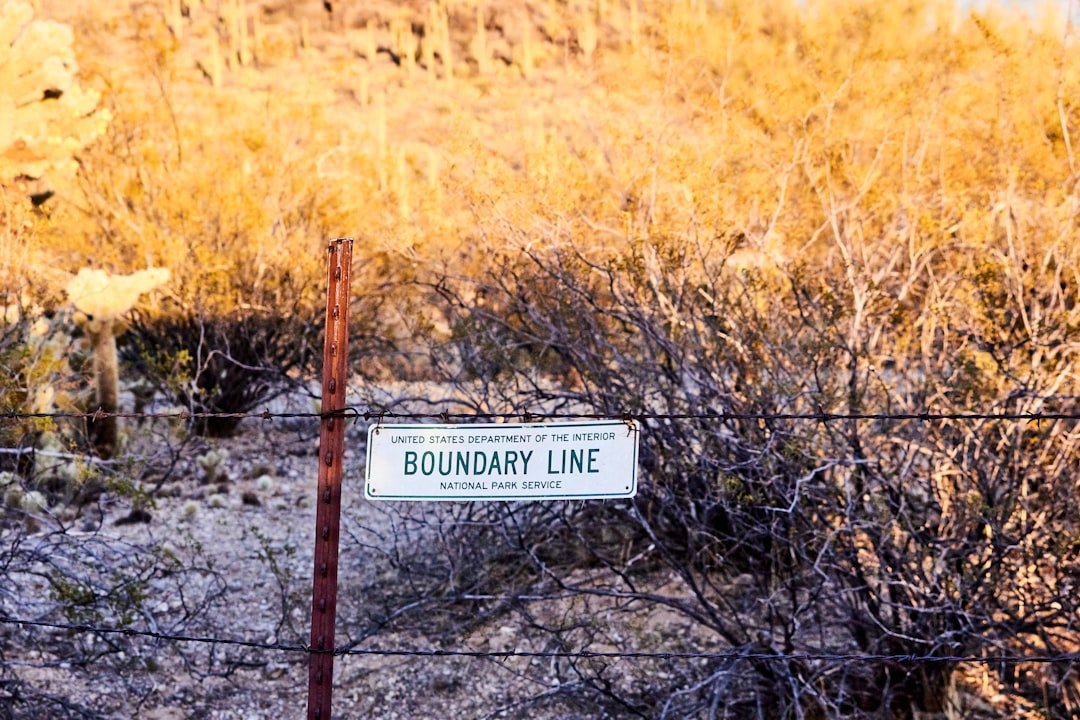
"Can you cover a shift?" "Can you stay late?" "Can you handle one more table?" If your job is on the Strip, you've probably said yes far more often than you wanted to. The pace is relentless, the expectations are high, and the line between dedicated and depleted gets blurry fast. Learning to set work boundaries in Las Vegas isn't about doing less; it's about protecting the energy and wellbeing that let you do your job well in the first place.
Boundaries can feel uncomfortable, especially in a culture that prizes hustle. But they're one of the most important tools for long-term mental health.
Why Boundaries Feel So Hard
Many people fear that saying no will make them seem lazy, uncommitted, or replaceable. In a competitive job market like the Strip, where shifts and tips matter, that fear isn't irrational. The result is a habit of overcommitting until resentment and exhaustion set in.
There's also a deeper layer. For some, the instinct to always say yes traces back to a belief that their value depends on being useful and available. Someone might notice they feel anxious or guilty the moment they consider turning something down. Recognizing where that pull comes from is the start of changing it.
What Healthy Boundaries Actually Look Like
Boundaries aren't walls; they're guidelines that protect your time, energy, and wellbeing. They can be small and still powerful. A few examples:
- Deciding not to answer work texts on your day off
- Choosing how many extra shifts you'll take in a week before you're asked
- Stepping away on a break instead of working through it
- Declining to absorb a coworker's or manager's stress as your own
Healthy boundaries are clear, calm, and consistent. They don't require long justifications. "I'm not available that day" is a complete sentence.
Setting Limits Without the Guilt
Guilt often shows up the moment you start protecting your time. That doesn't mean you're doing something wrong; it means you're doing something new. Here are some general strategies that can help:
- Start small. Practice with low-stakes limits before tackling the big ones. Confidence builds with repetition.
- Pause before answering. You're allowed to say, "Let me check and get back to you," instead of an automatic yes.
- Keep it simple. Over-explaining invites negotiation. A short, kind, firm response works best.
- Expect some discomfort. People used to your constant availability may push back at first. That's normal and not a reason to abandon the boundary.
- Remember the why. You're not setting limits to be difficult; you're setting them so you can show up sustainably.
These tools take practice, and it's okay if it feels awkward at first. Boundaries are a skill, not a personality trait.
The Payoff of Protecting Your Time
When you stop saying yes to everything, something shifts. You have more energy for the shifts you do work, more presence for the people you love, and less of that simmering resentment that builds when you feel taken advantage of. Boundaries actually make you a more reliable, steadier version of yourself, not a less dedicated one.
Many people find that protecting their off-hours improves their sleep, mood, and even their performance at work. Rest isn't the opposite of productivity; it's part of it.
Boundaries With Coworkers and Customers, Too
Work boundaries aren't only about your schedule. On a busy Strip property, you also navigate demanding guests, intense coworkers, and managers under their own pressure. Emotional boundaries help here: you can be warm and professional without taking on every guest's frustration as a personal attack, and you can support a struggling teammate without absorbing their stress as your own. A simple internal reminder, such as "this is theirs, not mine," can keep you from carrying the whole floor home. It also helps to have a phrase ready for difficult moments, something calm and neutral that lets you disengage from conflict without escalating. These small protections preserve your energy across a long shift and keep the inevitable friction of public-facing work from following you out the door.
When You Need a Hand
If you find that setting boundaries feels nearly impossible, or that guilt and people-pleasing run so deep they affect your relationships and mood, therapy can help. A counselor can help you understand the roots of those patterns, practice boundary-setting in a supportive space, and build the confidence to protect your wellbeing without fear.
This is especially valuable in a high-demand environment like the Strip, where the pressure to always be available never really lets up. You deserve support in learning to advocate for yourself.
This article is for general education and isn't a substitute for professional care.
If the demands of your job have started eating into the rest of your life, Brighter Tomorrow Therapy can help you reclaim your time and peace. We offer in-person and online sessions across the Las Vegas area, designed to fit around real schedules. Reach out when you're ready, and let's build boundaries that let you thrive both on and off the clock.