
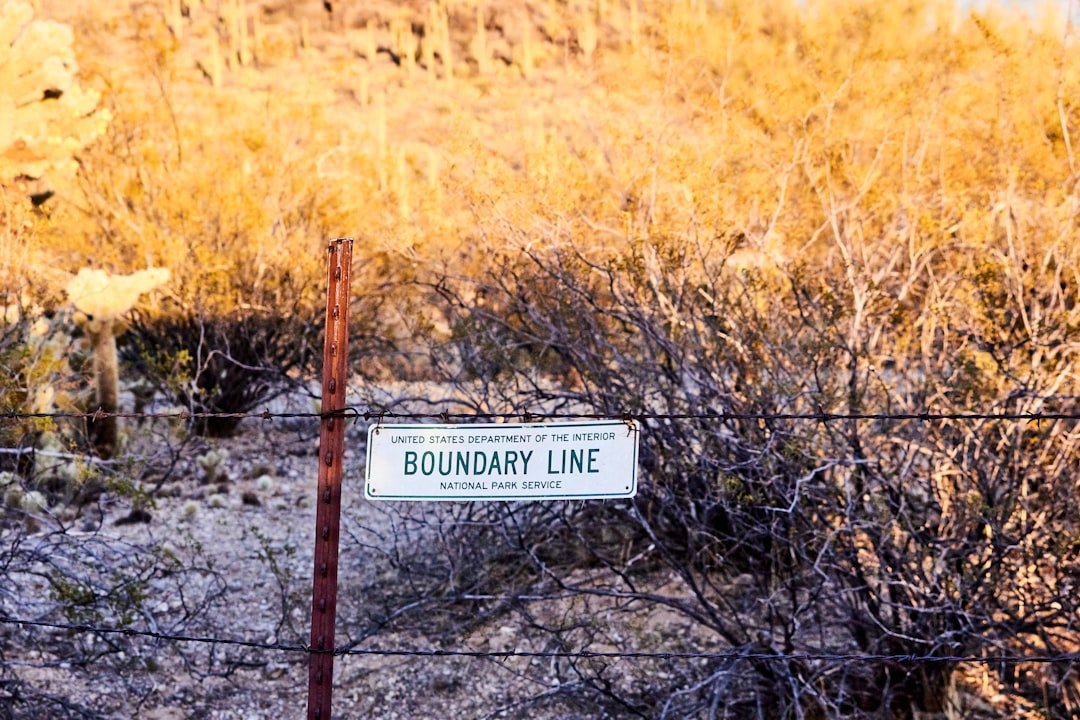
Saying no can feel surprisingly hard. You agree to the extra shift, the favor, the plan you didn't want—and then quietly resent it for days. If that sounds familiar, you are not alone. Learning to set boundaries is one of the most common goals people bring into therapy, and for good reason: boundaries protect your time, energy, and wellbeing. The trouble is the guilt that so often comes with them.
This post is about untangling that guilt and reframing boundaries as an act of care—for yourself and, often, for your relationships too.
What a Boundary Really Is
A boundary is not a wall built to keep people out. It is a clear line that tells others how you can be treated and what you have capacity for. It is the difference between "I'm always available, no matter the cost" and "I care about you, and I also need to take care of myself."
Boundaries can be about time ("I can't take calls after 9 p.m."), energy ("I can listen for a bit, but I can't fix this for you"), or values ("I'm not comfortable talking about people behind their backs"). They are less about controlling others and more about defining what you will do.
Where the Guilt Comes From
Many people who struggle with boundaries learned early that their worth was tied to being helpful, agreeable, or self-sacrificing. If you grew up sensing that love depended on keeping everyone else comfortable, saying no can feel almost dangerous—like you are being selfish or risking the relationship.
That guilt is a learned response, not a fact. The discomfort you feel when setting a boundary is often just your nervous system noticing you are doing something unfamiliar. It tends to ease with practice.
How to Set Boundaries More Comfortably
Boundaries are a skill, and like any skill they improve with repetition. A few approaches that help:
- Start small. Practice with low-stakes situations before tackling the big relationships. Decline a minor request and notice that the world keeps turning.
- Keep it simple. You don't owe a lengthy justification. "That doesn't work for me" is a complete sentence.
- Use warm, clear language. A boundary can be kind. "I'd love to help, but I'm at capacity this week."
- Expect some discomfort. Guilt may show up anyway. Let it be there without letting it make the decision.
When People Push Back
Sometimes the people who benefited most from your lack of boundaries will resist when you finally set one. That pushback can be uncomfortable, but it is not proof you did something wrong. Often it simply means the boundary was overdue. Staying calm and consistent—repeating your limit without over-explaining—tends to work better than arguing.
Think of someone in a demanding Las Vegas job who finally stops answering work messages on their day off. The first week feels nerve-wracking. By the third week, it feels like oxygen. The discomfort was temporary; the relief was lasting.
Boundaries With Yourself Count Too
We often think of boundaries as something we set with other people, but some of the most important ones are the limits we set with ourselves—stepping away from the late-night scroll, choosing rest over one more task, or stopping a spiral of self-criticism. These internal boundaries can be just as hard to honor as external ones, partly because no one else is watching to hold us accountable. Treating your own commitments to yourself as seriously as you'd treat a promise to a friend is a quiet but powerful form of self-respect, and it tends to make external boundaries easier to hold as well.
Boundaries Strengthen Relationships
It may seem counterintuitive, but clear boundaries usually make relationships healthier, not weaker. When you stop saying yes out of fear and start saying yes because you genuinely mean it, your connections become more honest. People know where they stand with you. Resentment has less room to grow.
A helpful reframe: every time you say yes to something you don't want, you are saying no to something you do—your rest, your priorities, your peace. Boundaries simply make that trade-off conscious.
A Few Reminders for the Journey
- Boundaries are a form of self-respect, not punishment.
- You are allowed to change a boundary as your needs change.
- Feeling guilty does not mean you did anything wrong.
- The goal is not zero discomfort—it is choosing your discomfort wisely.
When to Get Extra Support
If setting boundaries feels nearly impossible, or if guilt and people-pleasing run so deep that they affect your daily life, therapy can help you explore where those patterns started and practice new ways of relating. This article is educational and not a substitute for professional care. If you are in crisis, please call or text 988 (Suicide & Crisis Lifeline).
Brighter Tomorrow Therapy works with people throughout the Las Vegas metro who want to protect their wellbeing without losing their warmth. We offer in-person and online sessions, and we would be glad to help you build boundaries that feel sustainable and guilt-free. Reach out whenever you are ready—your needs are worth honoring.