

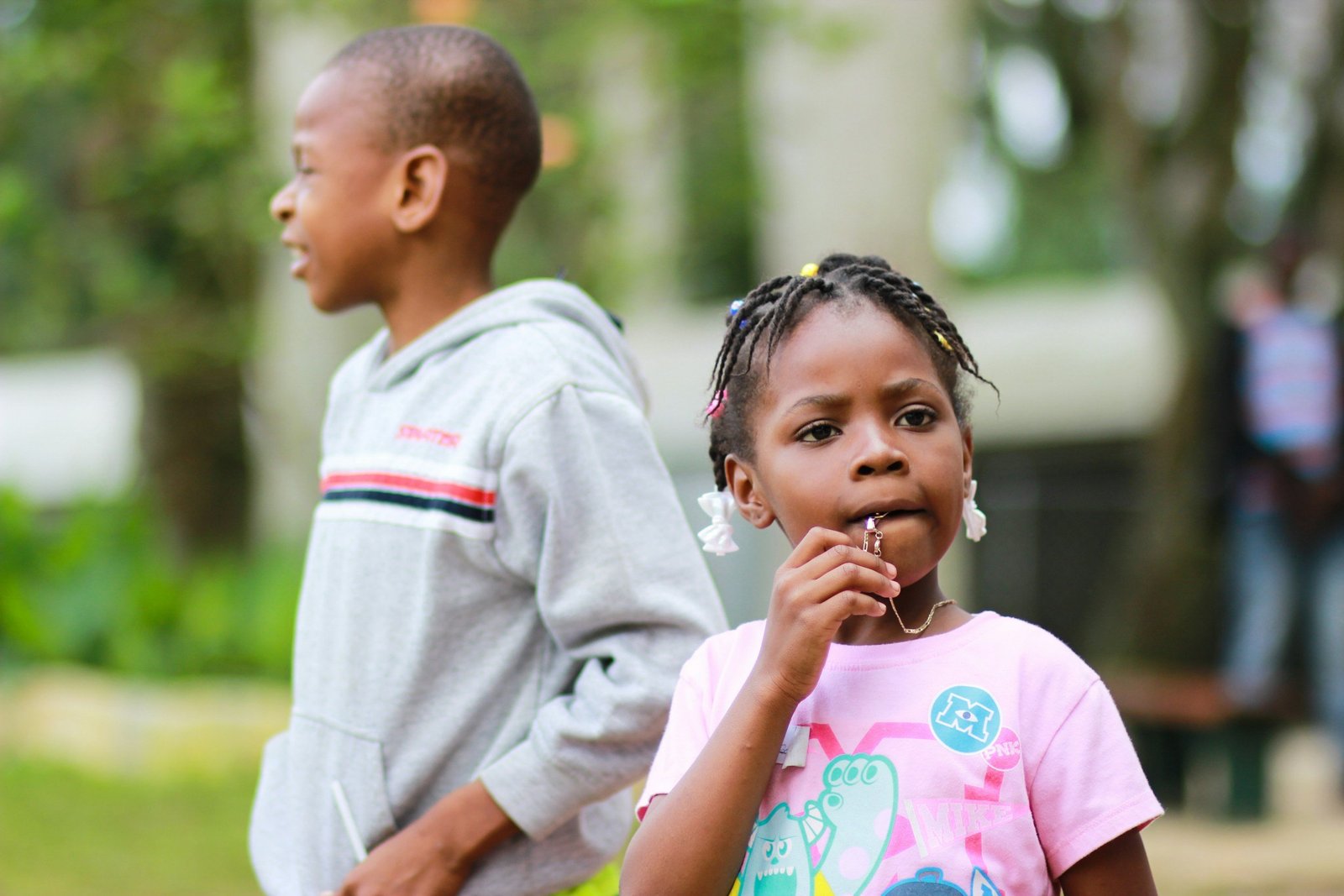
The bickering, the "that's not fair," the slammed doors, sibling rivalry is one of the most universal parts of family life. A little competition between brothers and sisters is normal and even healthy. But when rivalry runs deep or goes unaddressed, it can leave emotional marks that follow kids into adulthood. Understanding sibling rivalry and how family therapy can help equips parents to nurture stronger, kinder relationships at home.
Families across Henderson and the wider Las Vegas Valley navigate this daily, and the goal isn't to eliminate conflict, that's impossible, but to keep it from turning corrosive.
Why Siblings Compete
At its root, sibling rivalry is usually about one thing: each child wanting to feel secure in their parents' love and attention. When kids sense that love is a limited resource, they compete for it. Common triggers include:
- Perceived favoritism, even when it isn't intended
- Differences in age, temperament, or needs
- Comparison, whether by parents, relatives, or the kids themselves
- Competition for time, space, or resources at home
- Major changes like a new baby, a move, or a family transition
Understanding the why behind the fighting helps parents respond with empathy rather than just refereeing.
The Long-Term Emotional Effects
Most sibling squabbles are forgotten by dinnertime. But persistent, intense, or unfair-feeling rivalry can echo for years. When one child consistently feels less valued, less protected, or constantly compared, it can shape:
- Self-esteem and how they measure their own worth
- A tendency toward perfectionism or chronic competitiveness
- Patterns of conflict or distance in adult relationships
- Lingering resentment or strained ties between siblings well into adulthood
None of this is destiny. Many adults work through these patterns later in life. But addressing rivalry early gives kids a healthier foundation and can spare them years of untangling it as adults.
How Parents Can Reduce Harmful Rivalry
You don't have to keep score or treat every child identically, fairness isn't sameness. Instead, aim to meet each child's needs and protect each one's dignity. A few strategies:
- Avoid comparisons. "Why can't you be more like your sister?" plants seeds of resentment. Celebrate each child's unique strengths.
- Give one-on-one time. Even short pockets of individual attention reassure kids they matter.
- Coach, don't always referee. Help kids name their feelings and solve disputes rather than always declaring a winner.
- Don't take sides reflexively. Older or louder isn't automatically right. Stay curious about what each child experienced.
- Protect against bullying. Healthy rivalry has limits. Cruelty, intimidation, or physical harm need clear boundaries.
Teaching Conflict Skills
Sibling conflict, handled well, is actually a training ground. Kids who learn to express needs, listen, compromise, and repair after a fight carry those skills into friendships, workplaces, and their own families someday. When you coach instead of just punishing, ordinary squabbles become lessons in emotional intelligence.
When to Consider Family Therapy
Most rivalry resolves with patience and consistency. But it may be worth reaching out to a professional if you notice:
- Conflict that feels constant, intense, or escalating
- One child seeming consistently anxious, withdrawn, or targeted
- Aggression that crosses into bullying or physical harm
- Rivalry tied to a bigger family stressor like divorce or loss
Family therapy can help everyone understand the patterns underneath the fighting, improve communication, and rebuild a sense of fairness and safety at home. It's not about labeling one child the problem, it's about helping the whole family work better together.
Welcoming a New Sibling
Few moments stir up rivalry like the arrival of a new baby. An older child who was once the center of the household may suddenly feel displaced, and that insecurity can surface as regression, clinginess, or acting out. This is normal, not a sign of a "bad" kid. You can ease the transition by carving out one-on-one time with your older child, inviting them into a helper role, and naming their feelings out loud ("It's hard to share Mom and Dad sometimes"). Reassurance that there's enough love to go around, repeated often and shown through attention, goes a long way.
A Hopeful Note
Sibling relationships are often the longest of our lives, and the bonds formed in childhood can become a deep source of support in adulthood. With thoughtful guidance, today's rivals can grow into tomorrow's closest allies.
This article is educational and not a substitute for professional care. If your family is in crisis, call or text 988 (Suicide & Crisis Lifeline).
If sibling conflict is wearing on your household, you're not alone, and help is available. Brighter Tomorrow Therapy offers compassionate family counseling to households in Henderson and across the Las Vegas area, in person and online. With the right support, your children can build a relationship that lasts a lifetime.