

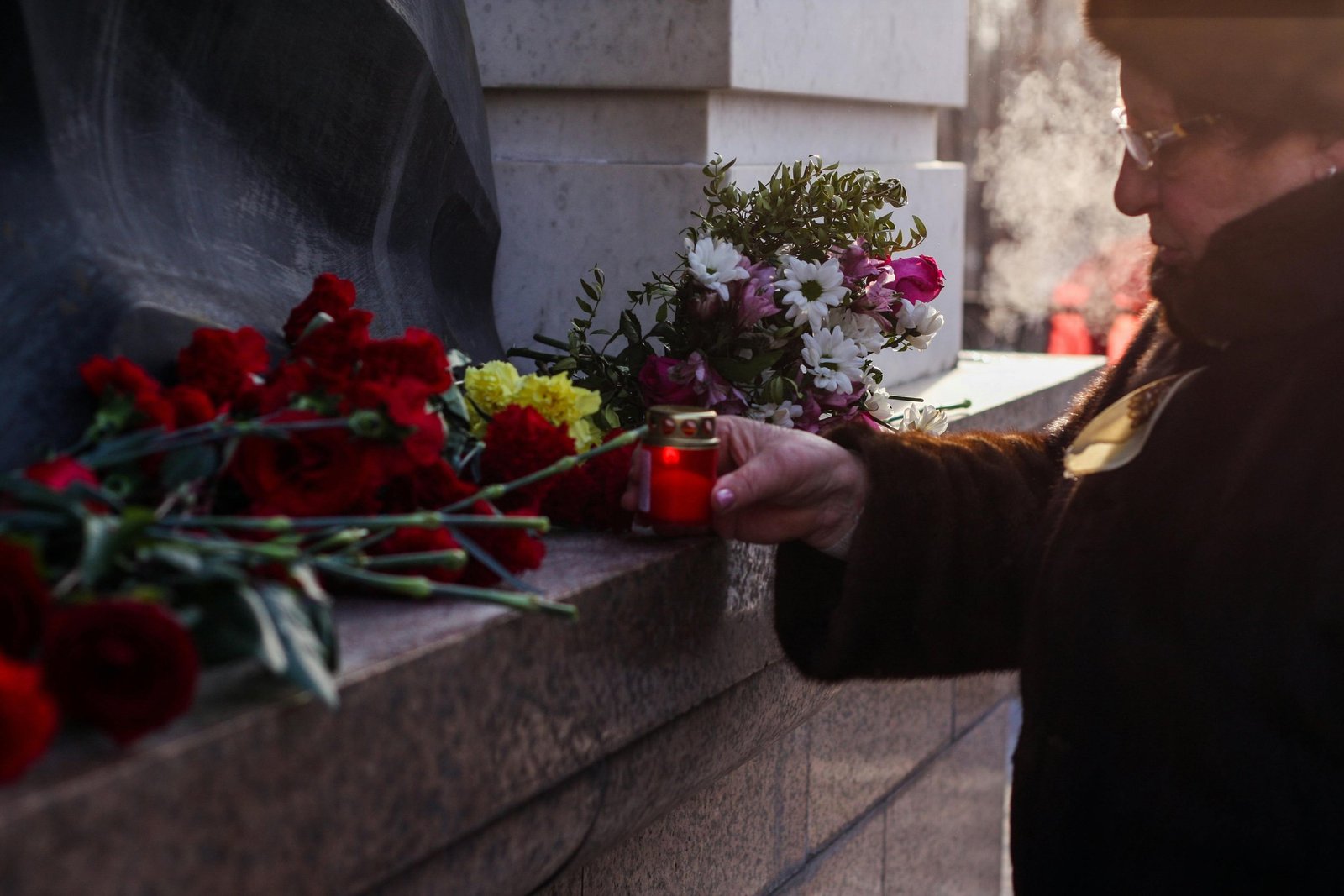
In a small Nevada town, the first two weeks after a death are dense with people. Casseroles, visits, someone handling the paperwork. Then it stops, everyone returns to their own lives, and the widow is alone in a house on five acres with the real thing just beginning.
The support arrives at exactly the wrong time, and then it goes.
What grief does to a person
The five-stages model most people know was never meant as a description of ordinary bereavement, and grief does not proceed in order. Expecting it to leaves people convinced they are doing it wrong.
What happens is closer to waves. Long stretches of functioning interrupted without warning by something enormous — a smell, a song, a truck that sounds like theirs pulling in.
Normal, even when alarming:
- Cognitive fog: losing words, forgetting appointments, reading a page four times
- Physical symptoms — chest tightness, exhaustion, appetite change, a genuinely aching body
- Brief sensory experiences of the person: hearing them, catching their smell, a glimpse
- Anger, at doctors, at family, at the person for dying
- Relief, especially after a long illness, followed by guilt about the relief
- Complicated grief for a difficult relationship, which is often the hardest kind
You are not required to move on
Modern grief theory has largely abandoned the idea that healthy mourning ends in detachment.
The better-supported framework is continuing bonds: most people do best not by severing the relationship but by transforming it into one that continues. Talking to them. Leaving their things where they are for a while. Marking the date. Consulting them internally about a decision.
That matters because a great many bereaved people have been told, kindly and wrongly, that it is time to let go.
When bereavement needs treatment
Most grief needs time, people, and permission rather than treatment. Get support when:
- A year or more has passed and the intensity has not shifted at all
- You cannot speak their name, enter a room, or move anything of theirs
- You have withdrawn from nearly everyone
- You are drinking more to get through evenings
- Your own life feels suspended
- You have thought about dying in order to be with them
That last one warrants immediate support. 988 is answered any hour by call or text.
Prolonged grief is a recognized condition with treatments developed specifically for it, and they work. It is not a failure of love or faith.
The rural version of this
Two things make bereavement harder in a place like Silver Springs.
Distance from support. Grief groups, which are one of the most effective interventions available, are concentrated in Reno and Carson City. A weekly drive for a support group is not realistic for most people in this part of Lyon County, particularly in winter.
Being known. In a small community everyone knows what happened, which is warm at first and eventually exhausting — you cannot go to the store without managing someone else's sympathy. Many bereaved people in small towns describe performing recovery long before they feel it.
Video sessions address both. No drive, no performance, and a room where you can say the actual thing.
Losses that get overlooked
Grief counseling is not only for a death:
A pet, which is genuine bereavement and gets dismissed constantly — particularly for people living alone, where an animal may have been the main daily relationship.
A pregnancy or an infant, where there is often no ritual and few acknowledgments.
A parent with dementia, alive and no longer reachable, which is ambiguous loss with no endpoint.
A death by suicide or overdose, which carries stigma on top of grief and leaves survivors unusually isolated.
A ranch, a business, a marriage, or a diagnosis — all producing real grief that people feel they are not permitted to name.
When a household grieves separately
A common rural pattern: a household where everyone is protecting everyone else and nobody says anything for years.
Family sessions are frequently what unlocks it. Having someone neutral present makes it possible to say things that have been unsayable at the kitchen table, and we work with couples and families as well as individuals.
Arranging it
We are licensed in Nevada and provide secure video sessions statewide, including Silver Springs, Stagecoach, Dayton, Fernley, and Yerington.
We are in network with most major insurance plans. We do not accept Medicaid plans. Nevada Medicaid does cover behavioral health with no copay for most enrollees through participating providers. Self-pay is $150 with licensed clinicians, $125 with associate clinicians, and $25 to $60 with a graduate-level clinician.
Grief keeps no deadline
People come to grief counseling three weeks after a death and thirty years after one. Both are appropriate. Grief that never had room does not expire; it waits.
If you have been carrying something alone in a quiet house, book a session.