

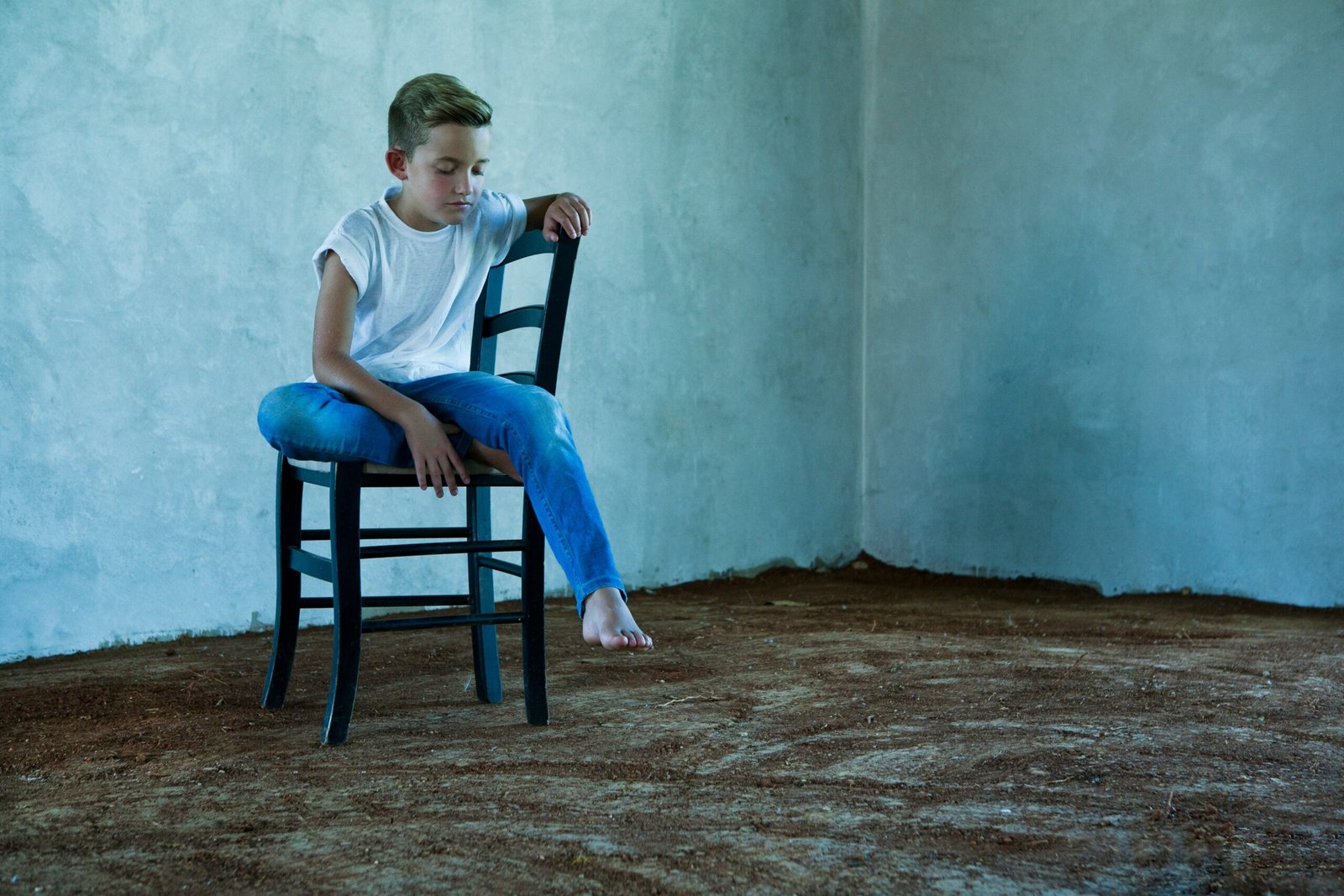
Suburban Nevada has a particular shape for teenagers. The houses are newer, the streets are wide and quiet, and almost nothing is within walking distance. A fifteen-year-old in a community like Spanish Springs has a social life that depends entirely on somebody driving, which in practice means a social life that happens on a phone.
That is not a moral failing of the neighborhood. It is a design consequence, and it shows up in how adolescents here describe their lives.
The first things parents see
Rarely sadness. Usually one of these:
- The bedroom door closes and stays closed
- Sleep slides to 2 a.m. and getting up becomes a daily fight
- Grades drop, or a strong student stops caring
- Irritability that seems disproportionate to anything
- A friend group changes completely, or disappears
- Physical complaints — headaches, stomachaches — with nothing found
- "I'm fine" delivered in a way that ends the conversation
Adolescent depression frequently presents as irritability rather than visible sadness, which is why it gets read as attitude and addressed as a discipline problem for months before anyone considers that the teenager is unwell.
Things that are worth acting on quickly
Some signals should not be watched and waited on:
- Any talk of not wanting to be here, of being a burden, or of things being pointless
- Marks on arms or thighs, or a sudden preference for long sleeves in July
- Giving away things that matter to them
- A dramatic drop in eating, or secretive eating
- School refusal — not just reluctance, but genuine inability to go
- Substances, particularly if used alone rather than socially
If you are seeing the first item on that list, 988 is answered any hour by call or text, and it is appropriate to use before anything has happened.
Nevada lets a twelve-year-old consent
This surprises most parents and it is worth knowing. In Nevada, a minor twelve or older may consent to their own mental health care.
That matters in both directions. If your teenager wants to talk to someone and does not want you in the room for every detail, that is legally possible. And if you are trying to persuade a resistant sixteen-year-old, knowing they will have genuine privacy is often what makes them agree.
What is not confidential, at any age: a serious risk of harm to themselves or someone else, and abuse of a child or vulnerable adult. Those get shared. Ordinary adolescent life does not.
Why video works unusually well for this age group
Parents often assume in-person is better for teenagers. In practice, a large share of adolescents strongly prefer video, and for specific reasons.
They are fluent in it. There is no waiting room, no chance of being seen walking into an office by someone from school, and no parent sitting fifteen feet away. They can take the session in their own room, which for a teenager is the one space that belongs to them.
For families in the north valleys, it also removes a drive that would otherwise make weekly sessions impossible.
What we work on with teenagers
Anxiety and depression, emotional regulation, school stress and performance pressure, friendship and social difficulties, family conflict, grief, identity development including sexuality and gender, self-harm and suicidal thinking, trauma, and substance use.
Approaches are matched to the young person — talk-based cognitive work for some, more creative and expressive approaches for others, and skills-focused work where emotional regulation is the core difficulty.
What we ask of parents
You will be involved, and you will not be given a transcript.
Typically we set the terms explicitly at the first session, with the teenager present: general themes and progress get shared, session content does not, and anything involving safety does. Naming that openly at the start prevents most of the conflict that otherwise arrives in month three.
We also work with parents directly. If your teenager refuses entirely, parent sessions are worth doing on their own — how you respond changes the household, and households change teenagers.
Practical details for northern Nevada families
We are licensed in Nevada and provide secure video sessions statewide, including Spanish Springs, Sparks, Reno, Sun Valley, and Cold Springs. After-school and early-evening slots are the ones teenagers actually keep.
We are in network with most major insurance plans. We do not accept Medicaid plans. Nevada Medicaid does cover adolescent behavioral health through participating providers. Self-pay rates are $150 with licensed clinicians and $125 with associate clinicians, with reduced-fee options available.
Why waiting costs more
Adolescent anxiety and depression respond well to treatment, and they respond considerably faster when addressed in month two than in year two. School refusal in particular becomes harder to reverse the longer it continues.
If something has changed in your house and you cannot name it, that is enough of a reason. Book an appointment.