
Sun City Summerlin: Counseling for an Active Retirement Community
 Joanne Tran, LCSW, Team Lead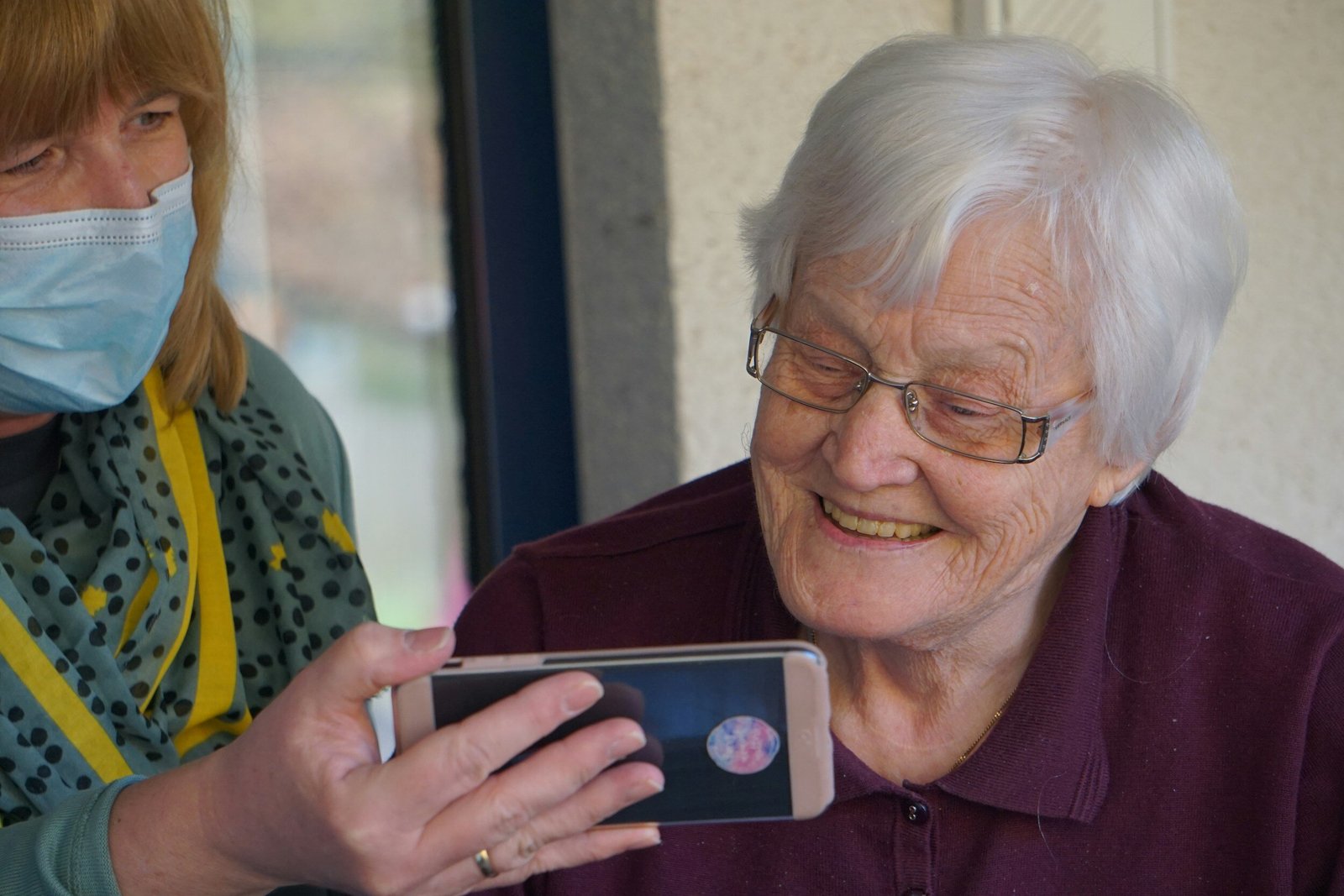
Sun City Summerlin is one of the largest age-restricted communities in Nevada, and by design it is unusually good at the thing that most retirement relocations get wrong: it manufactures social contact. Clubs, classes, courses, cards, committees, and a calendar that would exhaust a thirty-year-old.
Which raises a question worth asking directly: if the community is this well organized, why do so many residents describe being lonely?
Activity and connection are not the same thing
A full calendar produces acquaintances reliably. It does not automatically produce the one or two people you could call at 2 a.m.
Residents frequently describe knowing two hundred people and having nobody who knows what is actually going on with them. That is a specific and common experience here, and it does not indicate a failure to participate.
The distinction matters because the standard advice — get involved, join something — has usually already been taken. What is missing is depth rather than volume, and depth requires something different: repetition with the same small group, and someone eventually saying a true thing.
Depression in later life is treatable
The most important correction, because the opposite belief leaves a great many older adults untreated.
Persistent low mood, loss of interest, poor sleep, and withdrawal are not what aging feels like. They are symptoms of a treatable condition, and treatment works as well at eighty as at forty.
Late-life depression presents differently than expected — often as physical complaints that come back clear, as memory and concentration difficulty that can be mistaken for early dementia, as irritability, or as a flatness described as no longer caring much.
That overlap with cognitive change matters. Depression is treatable and is sometimes the actual cause of the memory complaints, so it deserves proper assessment rather than an assumption.
Repeated bereavement
In a community where everyone is in the same age bracket, you attend a great many funerals.
Losing friends steadily, in a place organized around a shared stage of life, produces a particular kind of attrition. People describe a card group that has lost three members, a street where four houses changed hands after deaths, and a growing reluctance to invest in new friendships because of what happened to the last ones.
That reluctance is understandable and it is worth resisting, because withdrawal accelerates everything.
There are also the losses that are not deaths and receive no acknowledgment: giving up driving, a body that no longer does what it did, and the independence that goes with each. Every one deserves grieving rather than being reframed as being sensible.
Caregiver strain in later life
A substantial share of residents are caregivers, frequently without family nearby.
Caregiver strain has documented effects — elevated depression and anxiety, worse physical health, and isolation as the caregiving expands to fill everything. There is also anticipatory grief, which is mourning someone who is still here, and which caregivers rarely feel entitled to name.
In an age-restricted community there is a further wrinkle: when a spouse's care needs exceed what the household can manage, the decisions that follow may involve leaving the community entirely. That is an enormous change and it is worth working through with support rather than in a crisis.
Support for the caregiver is not a diversion from the patient. It is what makes continued care possible.
A word about alcohol
Worth raising because in this age group it goes unasked.
Drinking often increases after retirement or bereavement, tolerance decreases with age, and interactions with common medications are significant. In a community with an active social calendar and plenty of occasions, the drift happens easily.
Nobody is going to lecture you. If the evening drink has become three and you have privately noticed, that is a reasonable thing to raise — and it is usually connected to the grief or the isolation rather than separate from them.
How sessions are delivered
Our northwest office on N Durango Drive is the closer of our two locations to Summerlin. Our east valley office is on E Russell Road.
We also provide secure video anywhere in Nevada, which many residents prefer — no driving at night, no parking, and no half-day commitment for a fifty-minute appointment. The technology objection is usually overstated: it is one link, and we walk you through the first session by phone.
Which plans apply
Medicare covers outpatient mental health care, and we are in network with most major insurance plans. Self-pay is $150 with licensed clinicians and $125 with associate clinicians, with a written estimate beforehand.
When you live elsewhere and you are worried
Ask directly rather than hinting, and frame it as support rather than as something being wrong with them.
Take any mention of being a burden seriously. Older men have the highest suicide rate of any demographic group in the United States, and it is frequently missed because it arrives quietly rather than dramatically. 988 is available any hour by call or text.
A full calendar is not the same as being known
Most people here are genuinely glad they moved. The part that is harder than expected is usually not activity — it is depth, and grief, and the slow attrition of a friend group.
All of that responds to support. Book a session.