

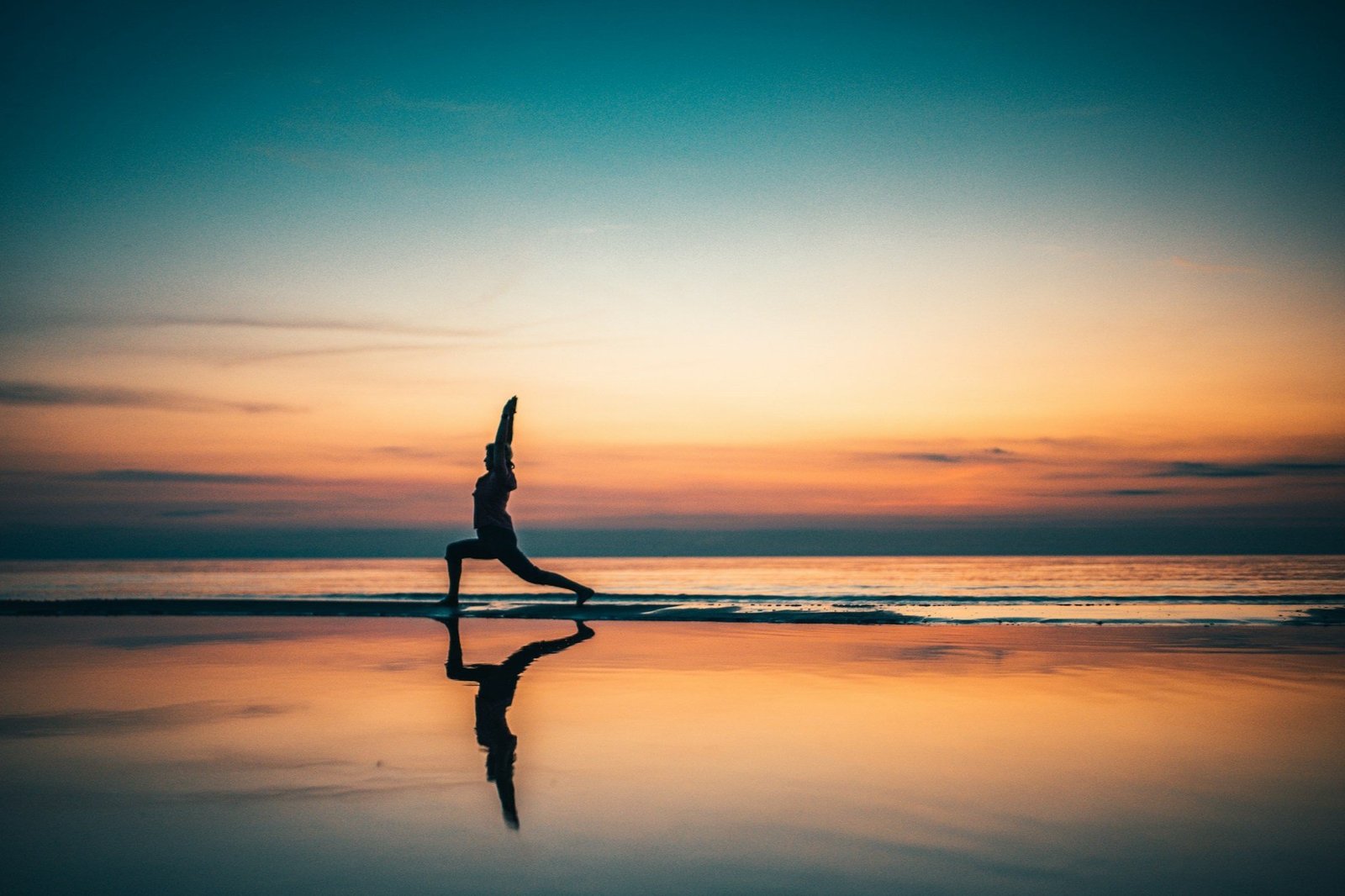
We tend to talk about mental health as if it lives only in the head—thoughts, worries, moods. But anyone who has felt their stomach knot before a hard conversation or their shoulders climb toward their ears during a stressful week knows the truth: the mind and body are deeply intertwined. Tapping into that mind-body connection is one of the most underrated ways to support emotional wellbeing, and in a high-energy place like Las Vegas, learning to come back into your body can be especially grounding.
This post looks at how movement, breath, and practices like yoga can complement mental-health care and help you feel steadier in everyday life.
Why the Body Holds So Much
When we experience stress, our bodies respond before we have even finished the thought. Heart rate rises, breathing quickens, muscles tense—the nervous system shifting into a protective mode. Over time, if that stress response stays switched on, it can leave us feeling wired, exhausted, or strangely numb.
This is why purely "talking yourself out of" anxiety often falls short. Sometimes the body needs to be addressed directly. Gentle movement and intentional breathing send a different signal to the nervous system—one that says, in effect, "You are safe enough to settle."
How Movement Supports Mental Health
You do not need to become an athlete to benefit. The goal is not performance; it is connection and regulation. Some accessible options include:
- Walking. A simple walk—even a loop around the block in the cooler morning hours—can lift mood and clear mental fog.
- Yoga. Combining movement, breath, and present-moment focus, yoga is especially good at calming an overactive mind.
- Stretching. Releasing physical tension can quietly ease emotional tension too.
- Dancing. Moving freely to music you love can be a surprisingly powerful mood shift.
The key is choosing something you genuinely enjoy. The best practice for your mental health is the one you will actually return to.
The Particular Gift of Yoga
Yoga earns its reputation in the mental-health world because it pairs physical movement with breath and attention. As you move through poses, you are gently guided to notice sensation, follow your breath, and stay present—all skills that overlap beautifully with mindfulness and emotional regulation.
Many people find that the hardest part of yoga is not the flexibility but the stillness. Slowing down enough to feel what is happening inside can bring up emotions. That is not a sign you are doing it wrong; it is often a sign the practice is working.
Breath: The Tool You Always Have
Of all mind-body tools, breath may be the most portable. You carry it everywhere, and it directly influences your nervous system. When you lengthen your exhale, you nudge your body toward calm.
A simple practice to try:
- Inhale gently through your nose for a count of four.
- Pause for a moment.
- Exhale slowly through your mouth for a count of six.
- Repeat for a few rounds, letting your shoulders drop.
You can do this in your car at a red light, in line at the grocery store, or before a meeting. It won't erase a hard day, but it can take the edge off in the moment.
What makes breath so useful is that it works both directions. Anxiety speeds the breath, and a fast breath, in turn, signals more anxiety—a self-feeding loop. By deliberately slowing your exhale, you reach in and interrupt that loop at the one place you have conscious control. With practice, you may even start to notice your breathing shift before you notice the worry itself, giving you an early warning system you can act on.
Movement as a Complement, Not a Replacement
It is important to keep expectations grounded. Yoga and movement are powerful supports, but they are not stand-alone treatments for significant anxiety, depression, or trauma. They work best alongside other forms of care, including therapy. Think of them as part of a toolkit rather than the whole solution.
For people who have experienced trauma, body-based practices can sometimes stir up difficult sensations. Going slowly, choosing trauma-sensitive classes, and working with a therapist can help make these practices feel safe and supportive rather than overwhelming.
Bringing It Together
Caring for your mind and body as a connected whole tends to be more effective than treating either in isolation. A short walk under the desert sky, a few mindful breaths, a gentle stretch before bed—small, repeated practices add up to a more regulated nervous system and a steadier sense of self.
This article is educational and not a substitute for professional care. If you are in crisis, please call or text 988 (Suicide & Crisis Lifeline) for support.
At Brighter Tomorrow Therapy, we believe in caring for the whole person—mind and body together. Serving the Las Vegas area with in-person and online sessions, we are happy to help you weave grounding practices into a broader plan for your wellbeing. If you would like a partner in that work, reach out whenever you feel ready, and let's talk about what a more connected, settled life could look like for you.