

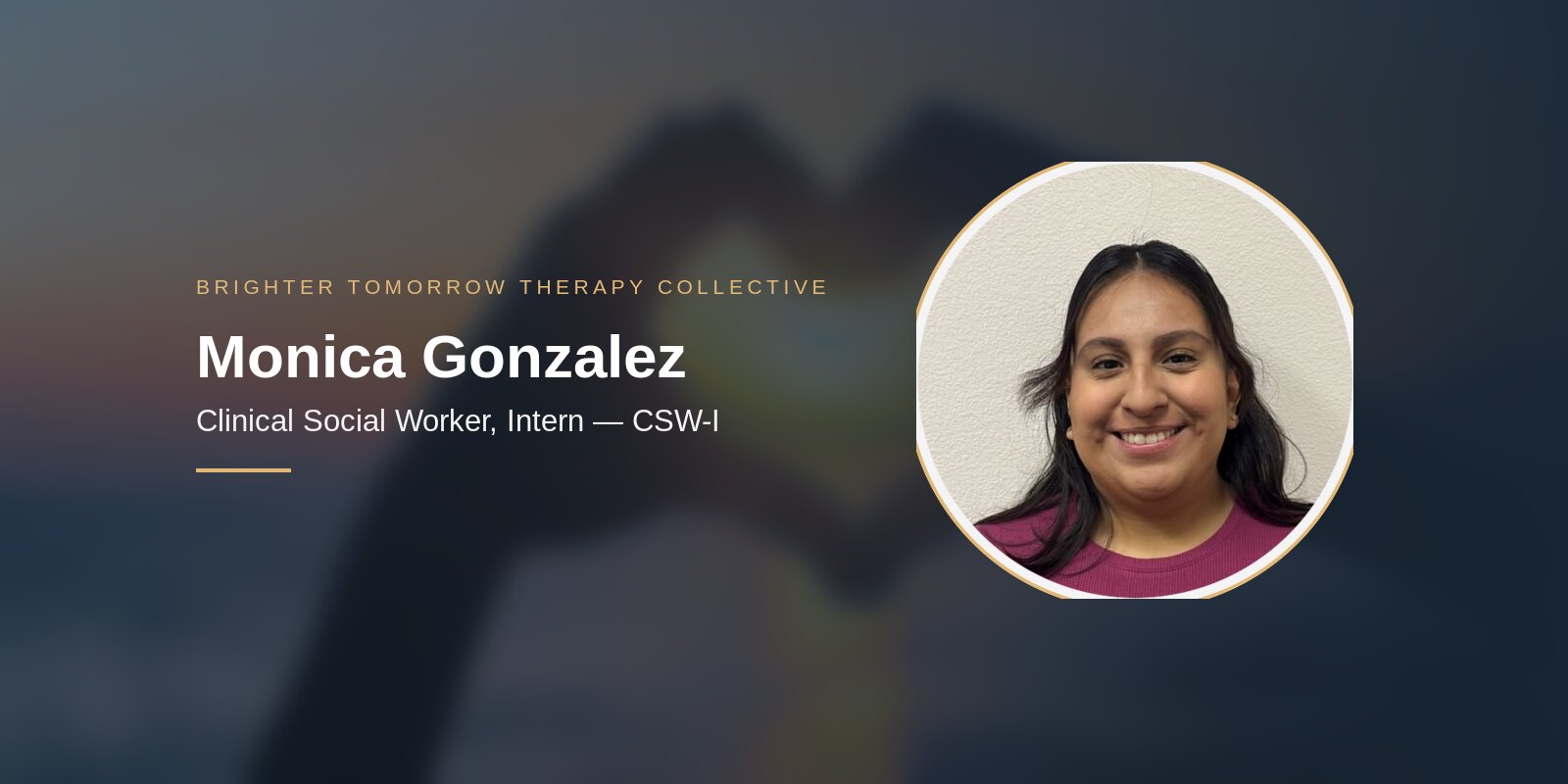
Written by Monica Gonzalez, CSW-I
Panic attacks that arrive without warning are a recognized pattern, not a sign that something rare or undetected is wrong with you. They can begin in a calm moment, in traffic, in a store, or out of sleep, with no identifiable trigger. The absence of a trigger does not make them less treatable — panic responds well to treatment, and it is one of the more predictable conditions in that respect. The first step, though, is getting the chest symptoms properly checked by a physician so you are not treating a heart problem as anxiety.
A first panic attack frequently ends in an emergency room. That is a reasonable place for it to end, because the symptoms — chest pressure, a pounding heart, shortness of breath, numb hands, a certainty that you are dying — belong to several conditions that are genuinely emergencies.
Then the tests come back clear, someone says the word anxiety, and you are discharged at two in the morning with no explanation of what just happened to your body.
What is happening physically
A panic attack is the body's alarm system firing at full strength with nothing to fight.
Adrenaline floods the system. Heart rate climbs, breathing speeds up, blood moves toward the large muscles and away from the hands and face — which produces the tingling — and the whole thing peaks fast, usually within ten minutes, then subsides.
The sensations are not imaginary and they are not exaggerated. They are exactly what an emergency response feels like. The only thing out of place is the timing.
Once you understand the mechanism, some of the scarier features make sense. The unreality feeling comes from changes in breathing. The sense of choking comes from tight throat muscles. The certainty that you are about to die is part of the alarm, not evidence about your heart.
Why it fires with no trigger
Several things account for an attack that seems to come from nowhere.
The trigger was there but not conscious. A smell, a physical sensation, a location, a body posture that resembles a past attack. Your system reacts before you have noticed anything.
Background load is high. A nervous system running close to its ceiling for weeks needs very little to tip over. The attack looks spontaneous because the accumulation was invisible.
A normal body sensation got misread. Standing up too fast, caffeine, a skipped meal, the flutter after climbing stairs. Once you are attentive to your heart, an ordinary sensation can start the cascade — and once the cascade starts, it supplies its own evidence.
Sleep. Nocturnal panic attacks wake people out of a sound sleep and are particularly frightening because there is no context at all. They are a known part of the picture, not a separate or worse condition.
The fear of the next one does more damage
Here is the part most people are not told: the attacks themselves are not usually what disrupts a life. The anticipation is.
After a couple of unexpected attacks, the mind starts scanning for the next one. You monitor your heartbeat. You notice every flutter. You avoid the freeway where it happened, then freeways generally, then the store, then anywhere that would be difficult to leave.
The world contracts gradually and each individual decision seems sensible. Someone who once had panic in the car on the way to the northwest side may end up planning every trip across the valley around whether they can pull over — and describe it to themselves as being careful rather than as avoidance.
That contraction is what treatment targets first, because avoidance is what teaches the system that the situations really were dangerous.
What to do during one
Nothing stops an attack instantly, and any promise otherwise is worth distrusting. What you can do is avoid feeding it.
Let it peak. It will crest and fall. Fighting it adds fuel; waiting it out teaches your body something useful.
Lengthen the exhale. Not deep breathing — slow breathing, with the out-breath longer than the in-breath. Overbreathing produces much of the dizziness and tingling.
Put attention outside your body. Name what you can see and hear around you. Attention on your heartbeat amplifies everything.
Do not flee if you can help it. Leaving works immediately and costs you later, because it convinces the system that leaving is what saved you. Staying put — even sitting down where you are — is worth more than it feels like at the time.
Say what it is. "This is a panic attack. It peaks and it passes." Out loud if you can.
When it becomes panic disorder
One or two attacks in a hard stretch of life is common and does not require a diagnosis.
What changes the picture is the pattern: recurrent unexpected attacks, plus a month or more of persistent worry about having another, plus changes in behavior to avoid them. That combination is what clinicians are describing when they say panic disorder, and it responds well to focused treatment.
Effective therapy for panic tends to be structured and specific. It involves understanding the mechanism, deliberately reducing the safety behaviors and avoidance, and — carefully, at a pace you agree to — practicing tolerance of the physical sensations rather than trying to prevent them. It is not open-ended talking, and it is not typically a years-long project.
Common questions
Should I see a doctor or a therapist first?
A medical evaluation first, particularly with chest pain, fainting, or symptoms that do not follow the usual panic pattern. Heart and thyroid conditions can mimic panic, and no responsible therapist wants to treat panic that turns out to be cardiac. Once you are cleared, therapy is the appropriate next step.
Can a panic attack actually harm me?
The attack itself is not dangerous to a healthy body, however awful it feels. What causes harm over time is the avoidance built around it and the toll of sustained hypervigilance — which is exactly why treating it early is worth doing.
Why do they wake me from sleep?
Nocturnal panic attacks happen in a system that is already primed, and they are common enough to be a well-described feature rather than something unusual. They frequently respond to the same treatment as daytime attacks, alongside attention to sleep habits and any underlying sleep disorder.
Is medication required?
Not necessarily. Many people improve substantially with therapy alone, and some do best with both. That decision belongs with a medical provider who knows your history — and if cost or coverage is part of the calculation, our fees and insurance information is a reasonable place to start.
Panic is genuinely treatable, and most people who get help are surprised by how much changes once the mechanism stops being a mystery. Have a look at my profile if you want to know who you would be talking to, and reach out when you are ready — including before you have had another one.