

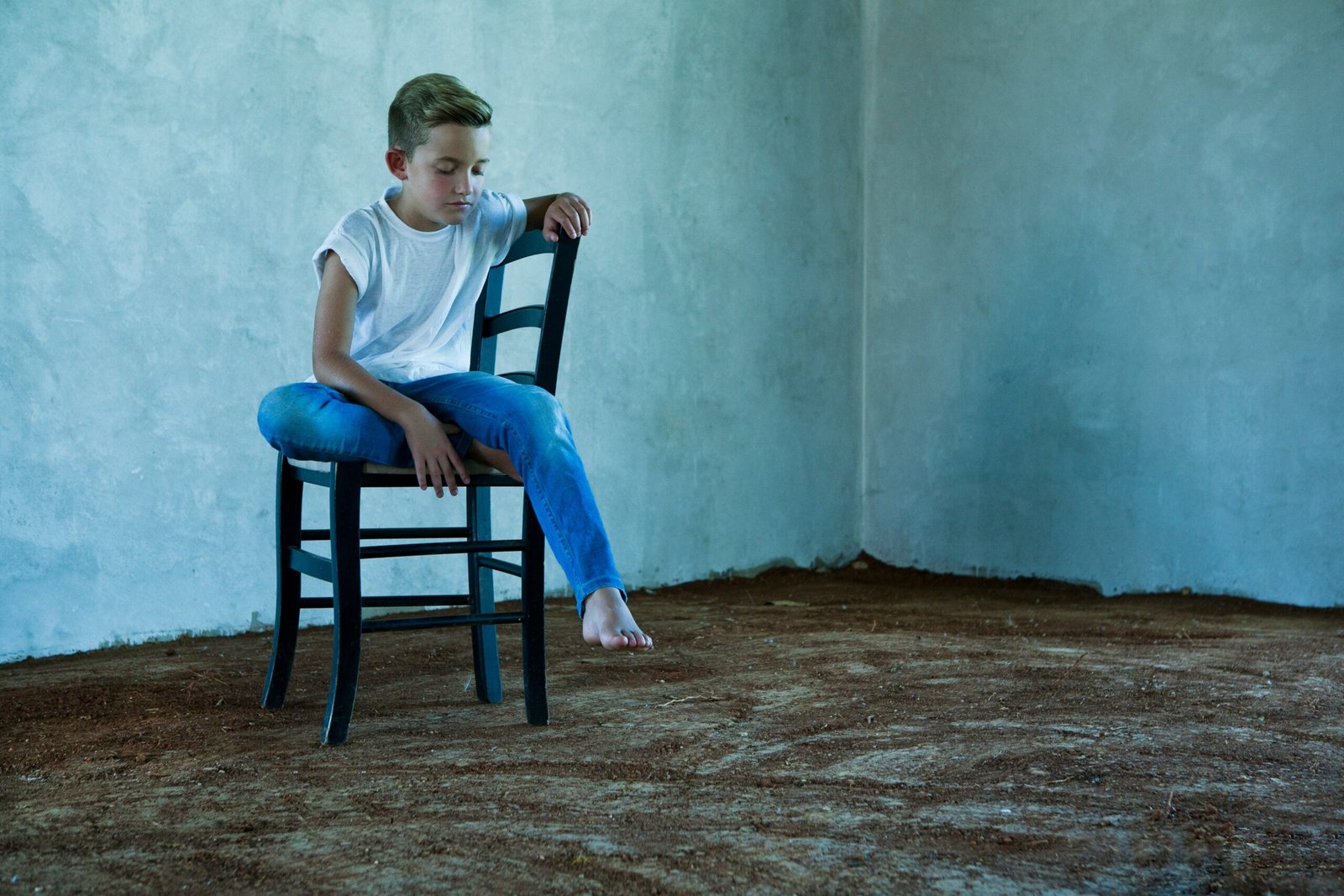
Ask a teenager in Winnemucca where they go on a Saturday and the honest answer is often: nowhere new, with the same people they have known since kindergarten, in a town where the next real option is a couple of hours away.
That is not a complaint about the town. It is a description of the conditions adolescence happens in here, and those conditions have effects worth understanding.
What remoteness does to a teenager
The social pool is fixed. In a large school, a teenager who does not fit one group finds another. In a small one, if the twelve kids in your year do not work out, there is no second option. That is a genuinely difficult position for an adolescent, and it is often behind school refusal in small towns.
Reputation is permanent. Something that happened at thirteen is still current at seventeen. Adolescents feel this acutely and adults frequently underestimate it.
The wider world feels theoretical. For a young person who is different in some way — interests, sexuality, ambition — the sense that anywhere they would fit is unreachable is a real contributor to hopelessness.
Online is the whole social world for many. Which is a genuine connection and not a substitute for being physically among people.
What parents notice first
Rarely sadness. Usually:
- The bedroom door closes and stays closed
- Sleep sliding to 2 a.m.; mornings becoming a fight
- Grades dropping, or a capable student who stopped caring
- Irritability out of proportion to anything
- A friend group that changed completely, or disappeared
- Headaches and stomachaches with nothing found
- "I'm fine," used to end conversations
Adolescent depression shows up as irritability far more often than as visible sadness, which is why it is handled as attitude for months before anyone considers illness.
The signals that need action now
- Any talk of not wanting to be here, of being a burden, or of things being pointless
- Marks on arms or thighs, or long sleeves in summer
- Giving away things that matter
- A sharp change in eating
- Genuine inability to attend school, as opposed to reluctance
- Substances used alone rather than socially
988 is answered any hour by call or text.
One more thing that has to be said in rural Nevada: household firearm access is a specific and modifiable risk factor for adolescent suicide. Where a teenager is going through a hard stretch, temporarily storing firearms with a relative or under a locked arrangement is among the most effective protective steps available. It is reversible and it is not a statement about your family.
Minor consent, under Nevada law
Nevada law allows a minor twelve or older to consent to their own mental health care.
For a teenager, that means you can ask for help yourself. For a parent, the offer of real privacy is frequently what turns a refusal into a yes — adolescents will not use therapy honestly if they believe it reports back.
What is never confidential, at any age: serious risk of harm to self or others, and abuse of a child or vulnerable adult.
Why video is the practical answer here
Two reasons.
The first is distance. Humboldt County is enormous and services are concentrated in one town. For families outside Winnemucca, a weekly in-person appointment is not realistic, particularly November through March.
The second is privacy. In a town this size, being seen going into a counselor's office is information that circulates. A lot of teenagers will simply refuse for that reason alone.
Video removes both. Most adolescents prefer it anyway — no waiting room, no parent in the next room, and the session happens in their own space.
What we actually address
Anxiety and depression, emotional regulation, school stress, friendship and social difficulty, family conflict, grief, identity including sexuality and gender, self-harm and suicidal thinking, trauma, and substance use.
For LGBTQ+ young people in small communities specifically: the Trevor Project is at 1-866-488-7386, and affirming care matters more than usual where local options are limited.
For parents, three things
Ask sideways. Conversations in a truck or doing something with your hands work far better than sitting across a table.
Do not solve it immediately. Most teenagers stop disclosing to adults who respond with a plan.
Say it once, plainly, and leave the offer open. Repeating it weekly turns it into a fight.
If they refuse, come yourself. Parent sessions change households, and households change teenagers.
Availability and fees
We are licensed in Nevada and provide secure video sessions statewide, including Winnemucca, Golconda, Orovada, Denio, and McDermitt. After-school and early-evening slots are the ones teenagers keep.
We are in network with most major insurance plans. We do not accept Medicaid plans. Nevada Medicaid does cover adolescent behavioral health with a broad entitlement for anyone under 21 — worth checking, because a lot of rural families qualify and assume they do not through participating providers.
Earlier is easier
Adolescent anxiety and depression respond well to treatment and far faster when caught early. School avoidance in particular becomes harder to reverse the longer it runs.
If something has changed in your house, book an appointment.