
Marriage Counseling in Yerington, Where Everyone Knows Everyone
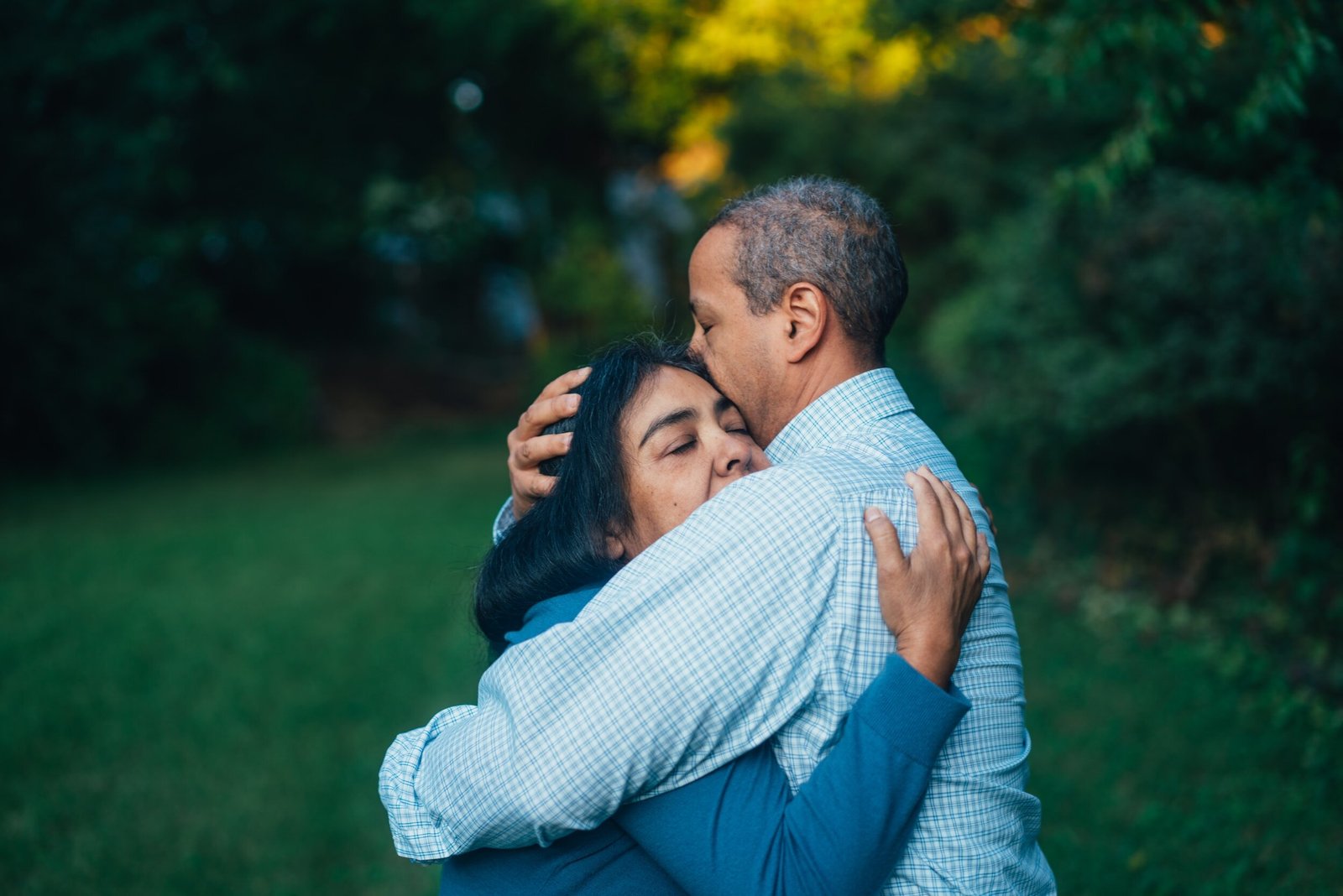
In a town the size of Yerington, the barrier to couples counseling has never really been the counseling. It is that somebody would see the truck.
Marriages in small agricultural communities tend to hold on far past the point where help would have made a difference, partly out of a genuine commitment to working things out privately, and partly because privacy has been impossible to arrange.
That second part has changed.
Complete privacy is now available
Video sessions mean no office, no parking lot, no waiting room, and no possibility of running into someone you know on the way in.
We are licensed in Nevada and see clients statewide by secure video, including Yerington, Mason Valley, Smith Valley, Wellington, and Schurz. Sessions happen from your kitchen table after the kids are down, from a shop office, or from two separate locations if one of you is out working.
For a lot of rural couples, that single change is what makes counseling possible at all.
What actually predicts whether a marriage lasts
Decades of research converge on a few findings that are worth knowing before you decide whether this is worth doing.
Arguing is not the danger. Couples who fight can do very well. What reliably predicts trouble is contempt — sarcasm, dismissiveness, talking to your spouse as though they are stupid.
Repair is the skill that matters. Not avoiding ruptures, but coming back afterward and owning your part. This is learnable, and teaching it is a substantial share of what counseling does.
Most disagreements never get solved. A majority of a couple's core conflicts are perpetual — rooted in durable differences in temperament and upbringing. The work is handling them without contempt rather than resolving them.
That last point relieves a lot of people, because it reframes the same recurring argument as normal rather than as proof that you married wrong.
What shows up in agricultural and small-town marriages
Work and home are the same place. When the business is the ranch or the farm, there is no leaving it at the office. A disagreement about the operation is a disagreement at dinner.
Financial pressure that is outside your control. Water, prices, weather, equipment. Unpredictable income is one of the strongest stressors on a marriage, and it is not something either of you can fix by trying harder.
Extended family is close and involved. In-laws who are also business partners, or a parent whose opinion carries weight in decisions about your household.
Roles set a generation ago. Expectations about who does what, absorbed rather than chosen, which one or both of you may have quietly outgrown.
No exit valve. In a city, a couple under strain has separate social worlds to decompress into. In a small town, you often share all the same people.
What most arguments are actually about
Money, the invisible workload, intimacy, and family. Under all four is usually the same question: do you have my back?
What a session is like
Both of you present, in the same room or on the same call. The first session is history and mapping — how you met, what changed, what each of you would want different in six months. Nobody gets prosecuted, and a competent therapist does not take sides.
After that it alternates between skills and content: learning to raise something without producing defensiveness, then applying it to the real issues. Couples work is more structured and more active than individual therapy, usually with homework that matters.
The right moment to begin
Couples typically wait years, and waiting makes it harder. Reasonable reasons now:
- The same argument in different costumes
- You are polite roommates
- One of you has started confiding in someone else
- A specific event knocked you sideways — a death, an affair, an illness, a bad year
- Considering marriage and wanting the groundwork first
- One or both unsure about staying
That last is legitimate. The job is not to hold a marriage together at all costs; it is to help you reach a clear decision rather than drift into one over another decade.
An important exception: where there is violence, intimidation, or coercive control, joint sessions can be unsafe. Individual support and safety planning come first, and Nevada's statewide domestic violence hotline operates around the clock.
What plans we take
We are in network with most major insurance plans, though some treat couples work differently from individual therapy — we verify and tell you the real number before your first session. We do not accept Medicaid plans. Self-pay for a 50-minute couples session is $180 with licensed clinicians and $150 with associate clinicians. Nevada Medicaid covers behavioral health for eligible households.
If your spouse will not come
Common, and not the end of it. Working on a relationship individually genuinely helps: patterns are two-sided, and changing your half changes the pattern. A fair number of reluctant spouses come along after a few months once it is clear nobody is being set up.
Book a session — together, or on your own to start.