

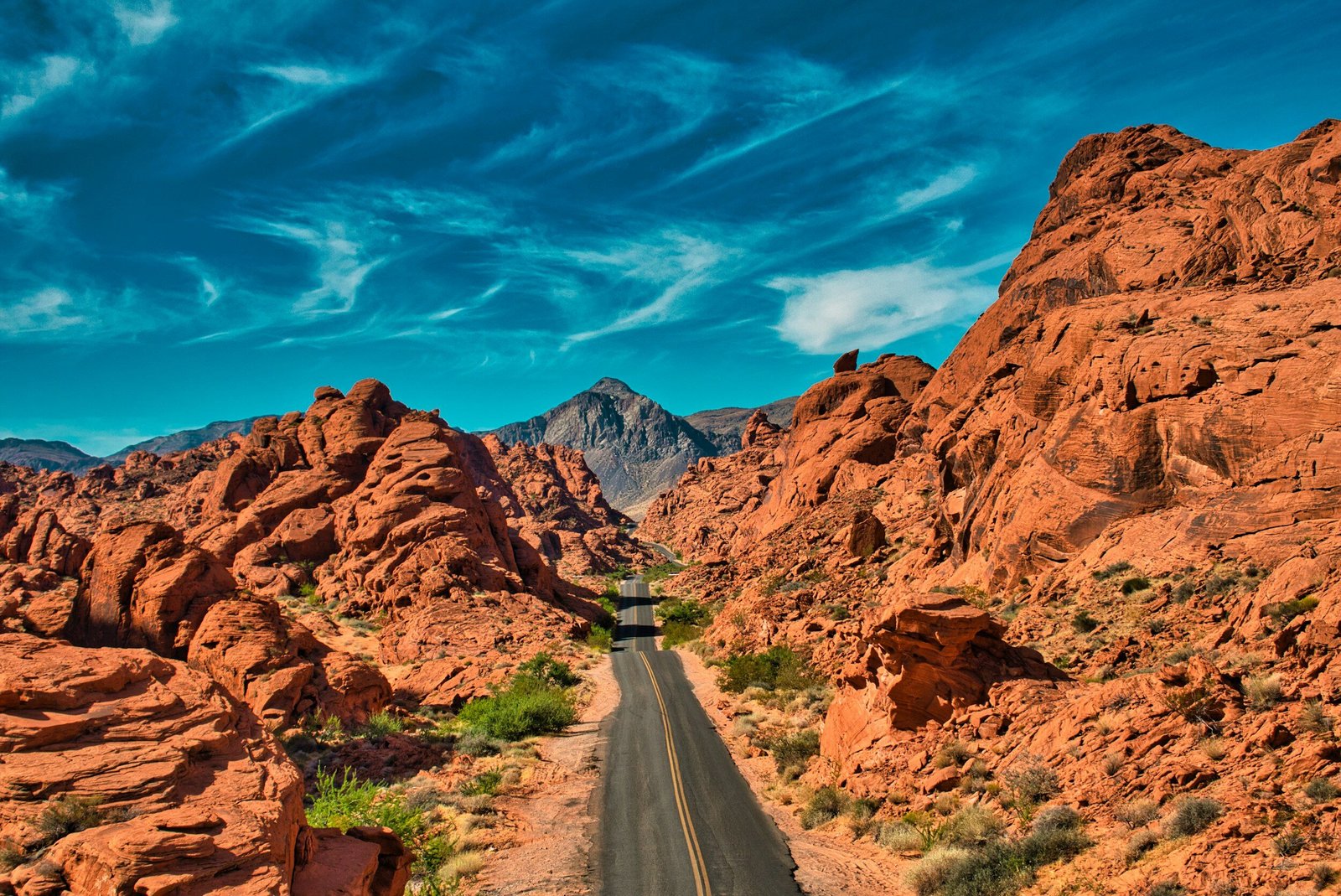
Somewhere between late June and the end of September, the sky over the valley changes character. Humidity climbs, the temperature does not drop, thunderheads stack over the Spring Mountains in the afternoon, and a wash that was dry that morning becomes genuinely dangerous by dinner.
Monsoon season in Southern Nevada is short, unpredictable, and psychologically underrated. It arrives at the point in the summer when everyone here is already worn thin.
Three months of heat is the actual baseline
By the time storms arrive, most residents have spent eight to ten weeks in triple-digit heat. That matters, because sustained heat exposure has documented effects on mood: increased irritability and aggression, disrupted sleep, reduced concentration, and higher rates of psychiatric emergency visits during heat waves.
There is also a version of seasonal depression that runs opposite to the northern pattern. In hot climates, some people experience their lowest mood in summer, when they are effectively housebound and cut off from outdoor life for months. If you feel worse every July and better every October, you are not imagining a reverse pattern; it is recognized, and the seasonal isolation here is the likely mechanism.
Monsoon humidity lands on top of that. It makes the heat harder to tolerate, disrupts already-poor sleep, and adds a layer of unpredictability to plans that were already limited.
Weather anxiety here is not irrational
In many places, a storm is atmosphere. In the Las Vegas valley, the ground does not absorb water, the washes fill fast, and flash flooding is a genuine hazard. People here have watched vehicles carried off roadways. Power outages during a monsoon storm mean losing air conditioning in extreme heat, which is a safety problem rather than an inconvenience.
So if storms make you anxious in this city, the anxiety is tracking something real. The clinical question is not whether the fear is justified — it is whether the response is proportionate and whether it is running your life.
Signs it has gone past useful:
- Checking radar compulsively, many times an hour
- Canceling plans days ahead on forecasts that are usually wrong
- Physical panic — racing heart, shortness of breath — at the first distant thunder
- Being unable to sleep when storms are forecast
- Children in the house absorbing the alarm and developing their own
Practical grounding for storm days
Prepare once, then stop rehearsing. A charged power bank, flashlights, water, a plan for pets, and a route home that avoids the washes you know flood. Preparation resolves anxiety; repeated checking feeds it.
Set a radar rule. Check twice — morning and late afternoon. Compulsive checking is the mechanism that maintains weather anxiety, and limiting it is the single most effective change.
Use the storm's sound deliberately. Extended exhale breathing — four in, eight out — for two minutes at the first thunder. You are training your body to associate the sound with down-regulating rather than escalating.
Never test a flooded road. This is safety advice and also anxiety advice: knowing you have a firm rule removes the decision from the moment.
Helping children through storms
Storm fear is extremely common in young children and usually resolves with a few consistent adult behaviors.
Explain what is happening in simple, true terms — thunder is sound from lightning, our home is a safe place. Do not over-explain flash flooding to a small child; it introduces a danger they cannot act on. Keep your own reaction calm and slightly bored, because children read your body more than your words. Build a small ritual: a storm blanket, a specific playlist, a game you only play during storms. And do not let avoidance grow — a child who is allowed to sleep in your bed every storm night for a season will need it more, not less, the following season.
If a child's fear is escalating, interfering with school or sleep for more than a month, or generalizing to any cloudy day, that responds very well to short-term therapy, especially the play-based and expressive approaches that work best with young kids.
The summer isolation problem
The most under-discussed mental health issue of a Las Vegas summer is not heat. It is that for roughly a quarter of the year, casual outdoor life stops. You do not run into neighbors. Kids do not play outside in the afternoon. Walks disappear. Social life narrows to indoor plans requiring organization.
That is a genuine, seasonal reduction in incidental social contact, and it produces genuine, seasonal loneliness. Counters that work here:
- Move outdoor activity to before 7 a.m. — the valley has a real, if small, dawn culture in summer for exactly this reason
- Use altitude: Mount Charleston runs twenty to thirty degrees cooler and is under an hour from most of the valley
- Deliberately schedule indoor social contact, because it will not happen by accident between June and September
- Get morning light within an hour of waking, even briefly, to anchor the sleep cycle that heat and late sunsets disrupt
When to bring in help
If your mood drops every summer and lifts every fall, that is a pattern worth treating rather than enduring annually. If storm anxiety has you avoiding driving, canceling work, or unable to sleep, that is a specific anxiety presentation with specific, effective treatment — usually a few months of focused work, not years.
And if the heat, the isolation, and the season have combined into something heavier — you are not sleeping, not enjoying anything, and counting the weeks until October — that is depression with a seasonal trigger, and it does not require you to wait it out.
Care through the hottest months
Telehealth throughout Nevada means you do not have to cross the valley in 110-degree heat or during a storm. Our east valley office on E Russell Road and northwest office on N Durango Drive are both available for in-person sessions, and we are in network with most major insurance plans.
If summers here reliably flatten you, book a session and we will work on it before next June rather than during it.